
 Author: آمنه غلامی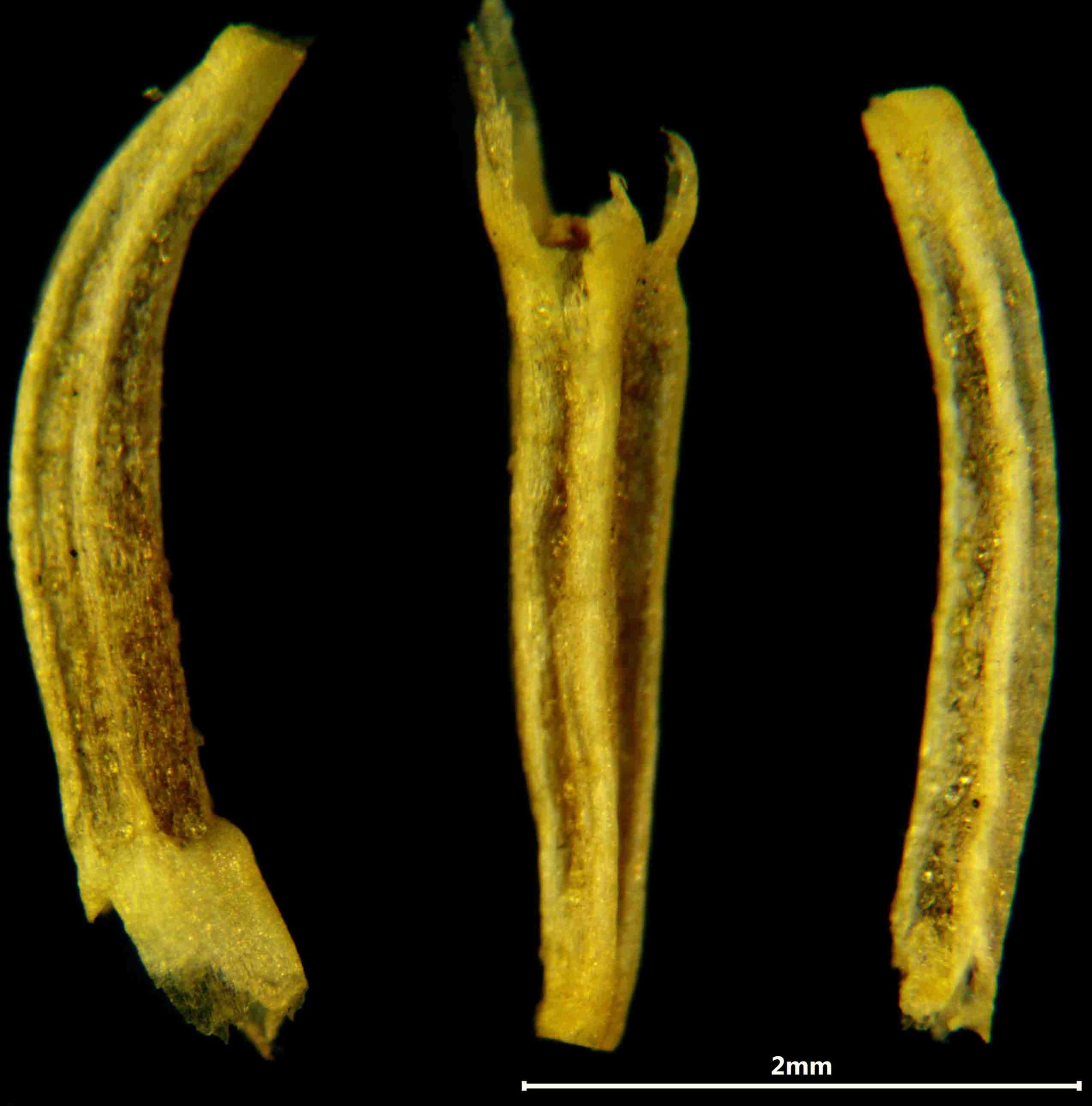
Tanacetum lingulatum (Boiss.) Bornm.
Parvin Salehi Shanjani, Sara Nikkhah and Vali-Allah Mozaffarian
Natural Resources Gene Bank, Research Institute of Forests and Rangelands, Agricultural Research, Education and Extension Organization, Tehran, Iran.
Uploaded at July 2025
Scientific editor: Masoumeh Izadpanah
Seed Storage
The storage behavior of this species is orthodox (desiccation-tolerant seeds), dry to 15-20% eRH, and store at -20°C.
Germination requirements
The seeds of this species are not dormant. Sterilize seeds before placing them on wet germination paper. Place seeds for two weeks at 4 ºC to germinate uniformly. Then germinate under an alternating temperature regime of 15/20 ºC (the higher temperature for 16 hours in light and the lower one for eight hours in dark).
Morphology
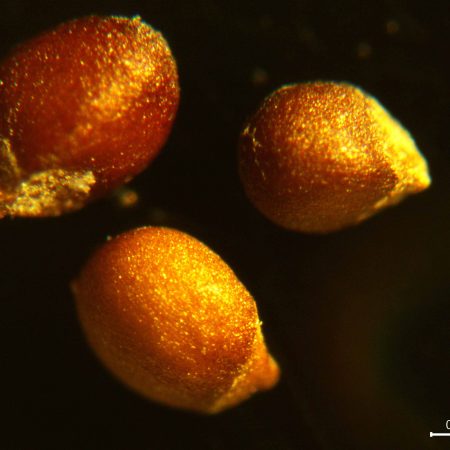
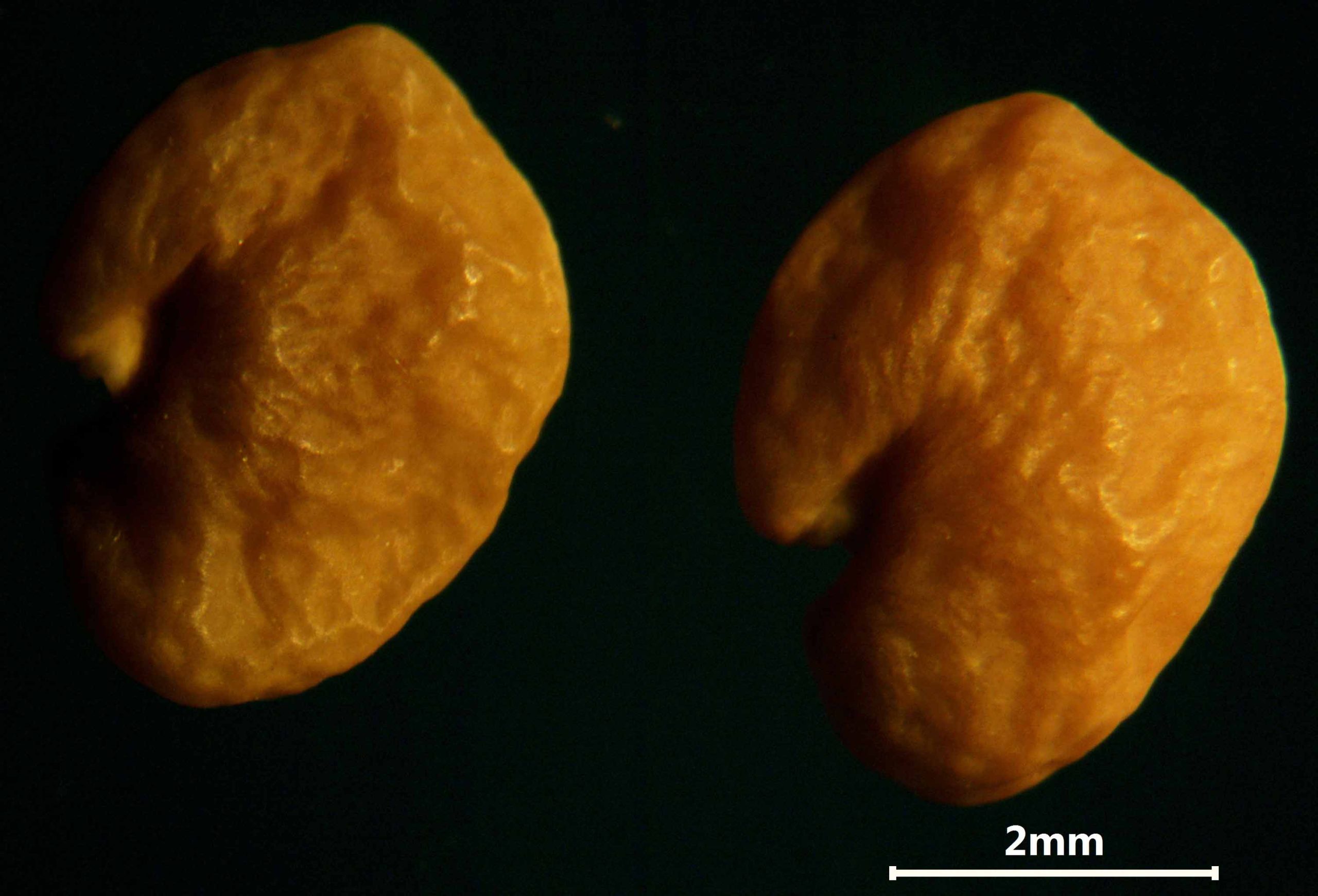
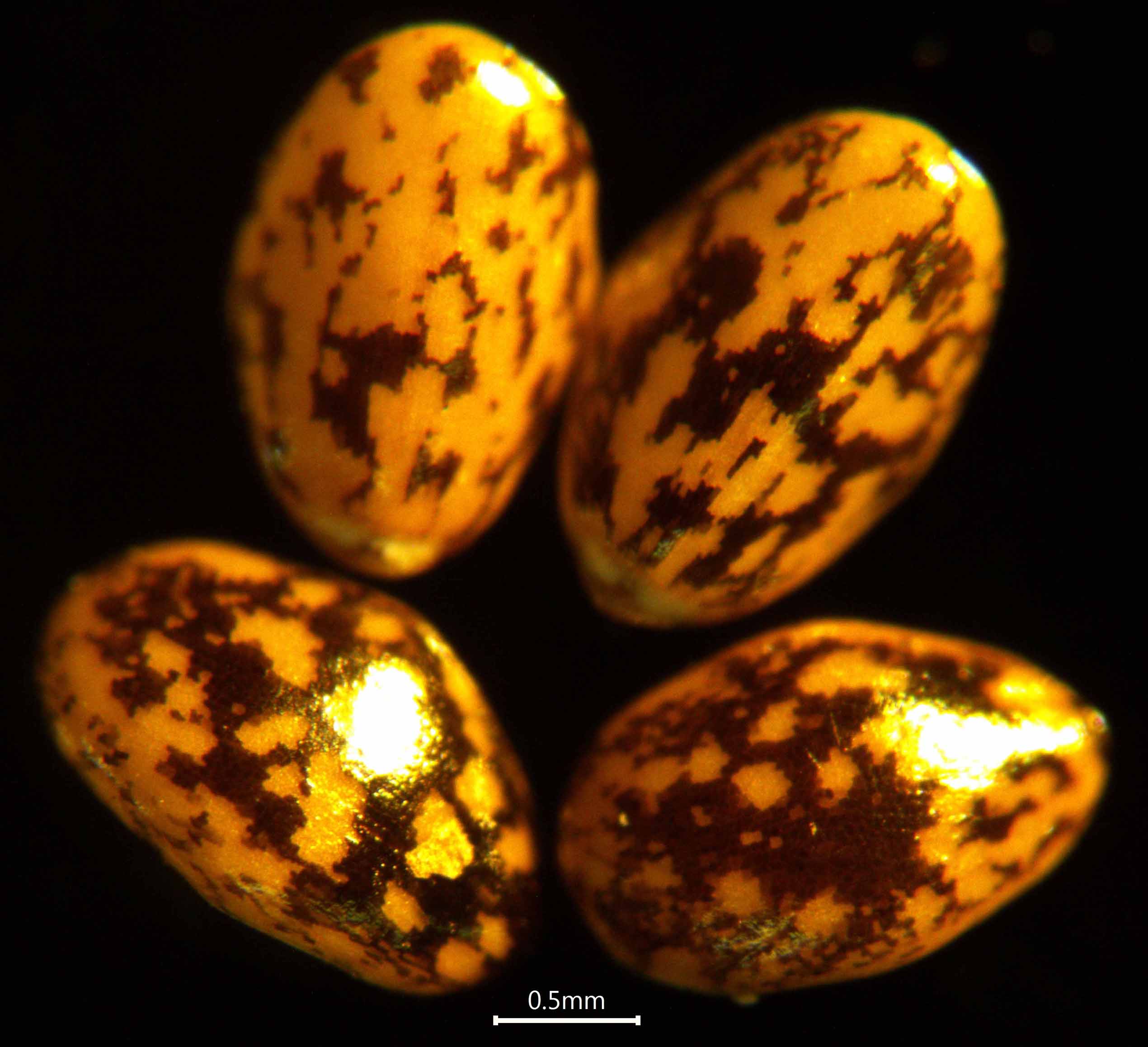
Fruit type: Achene
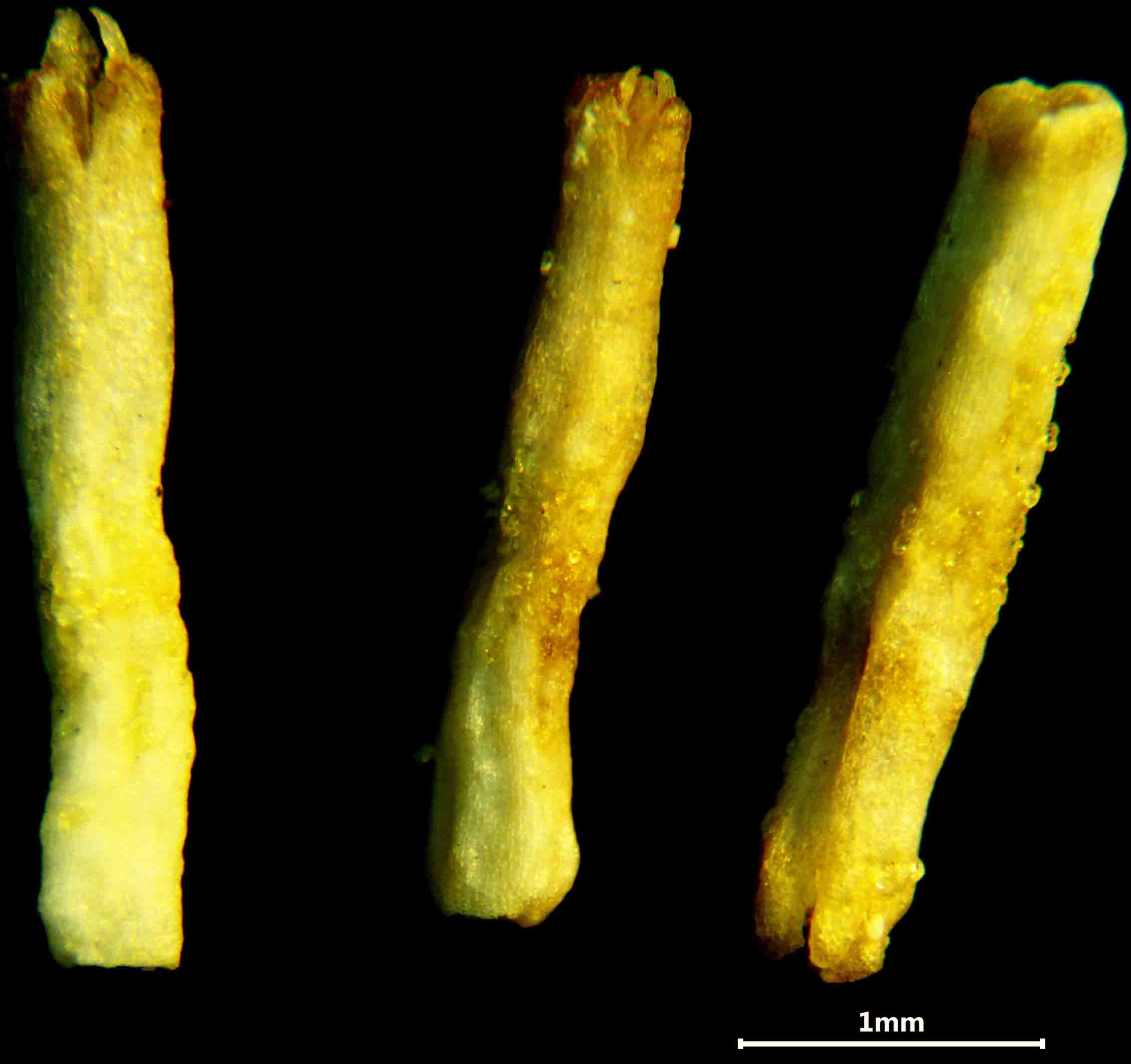
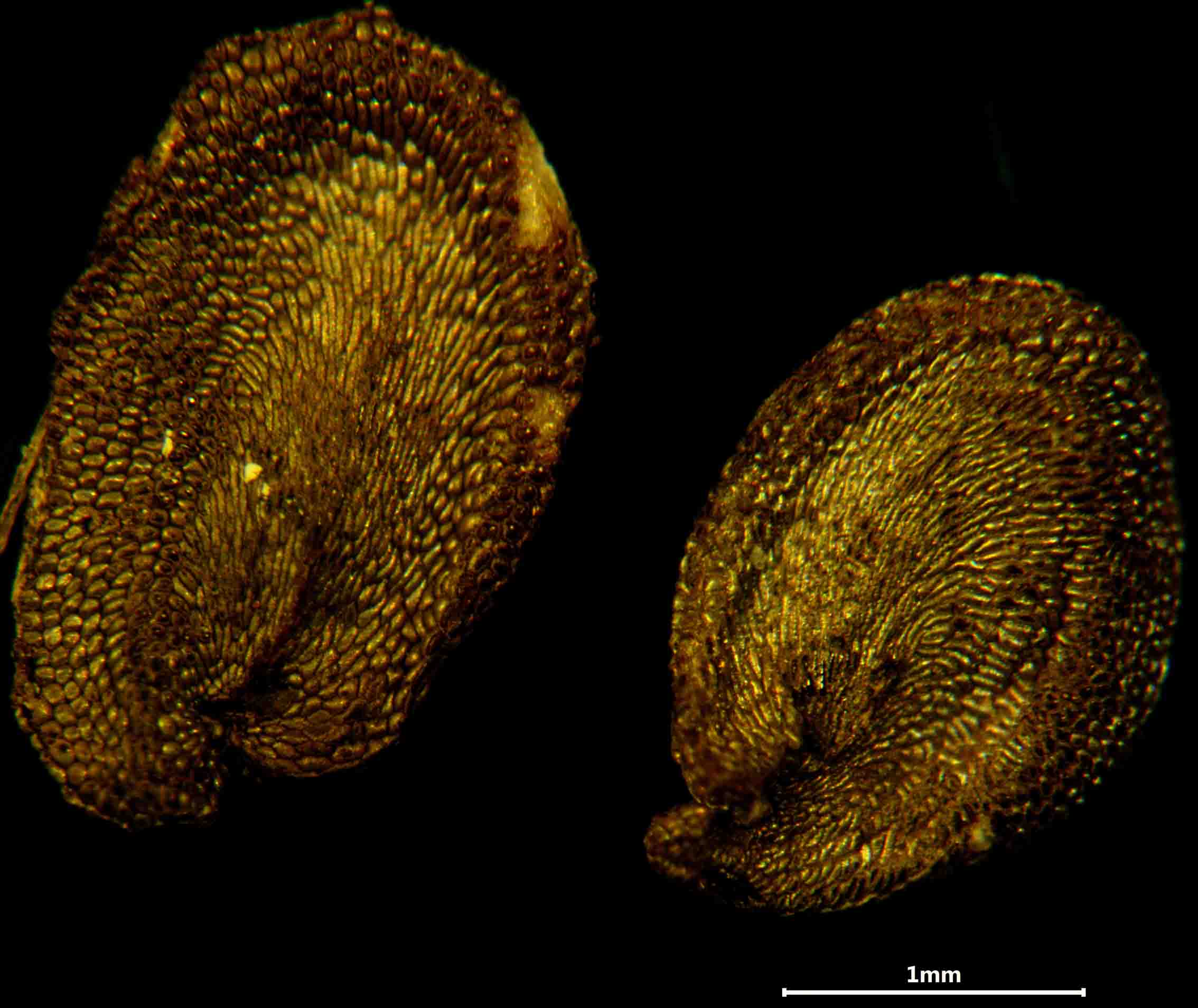
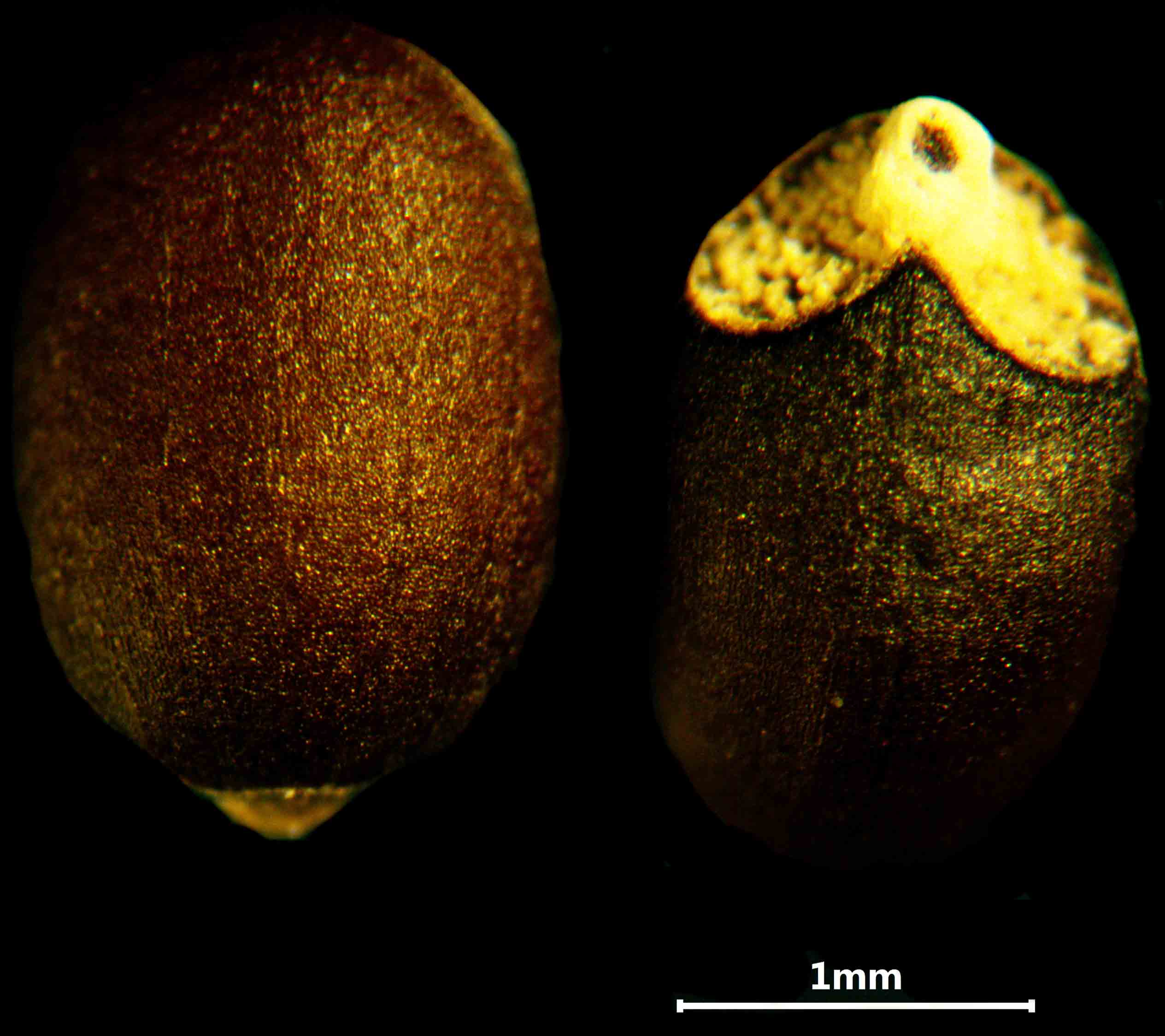
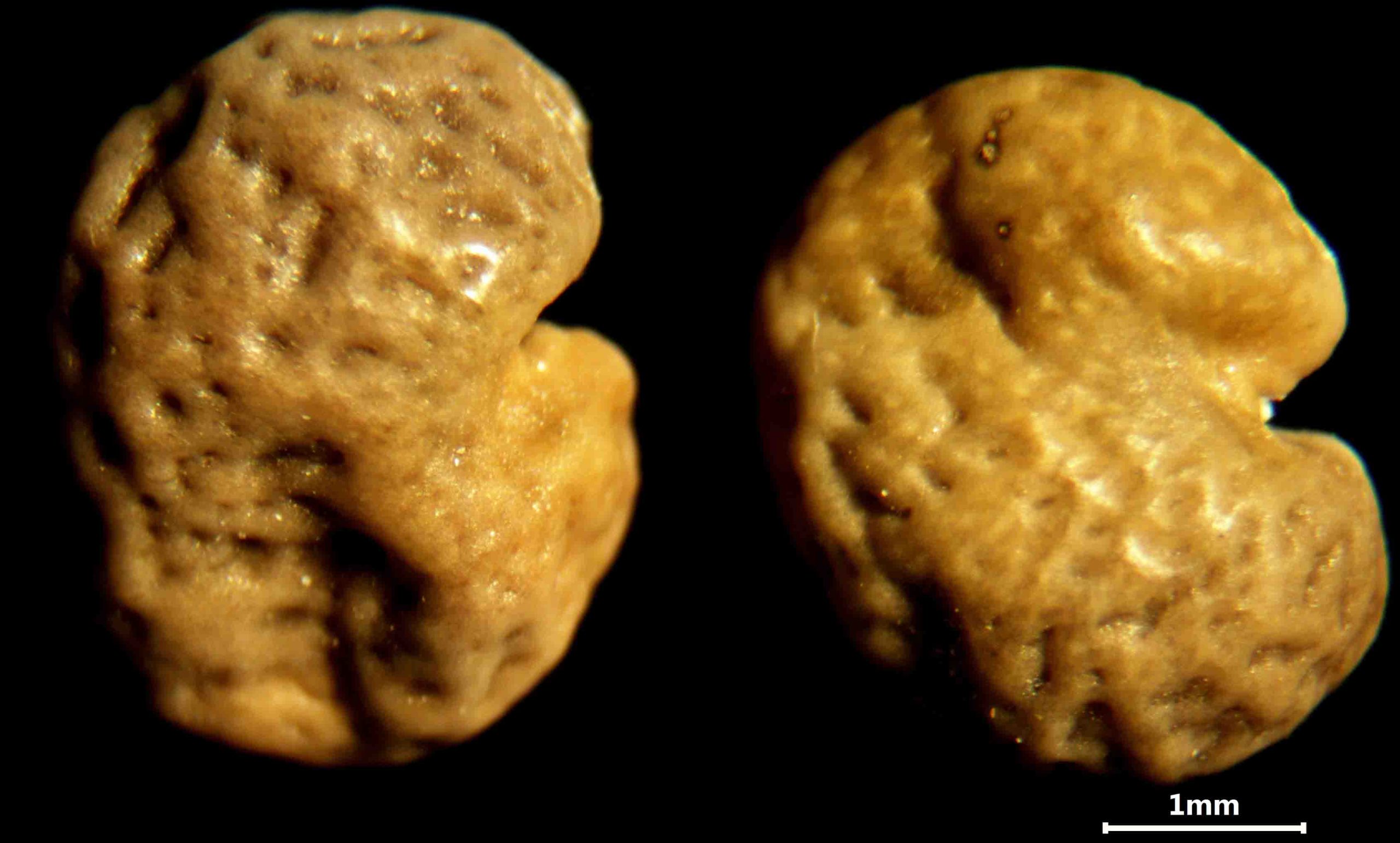
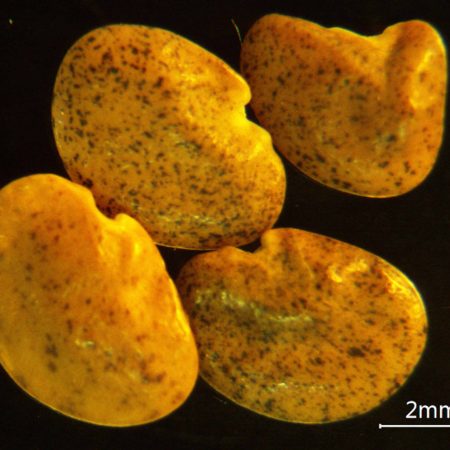
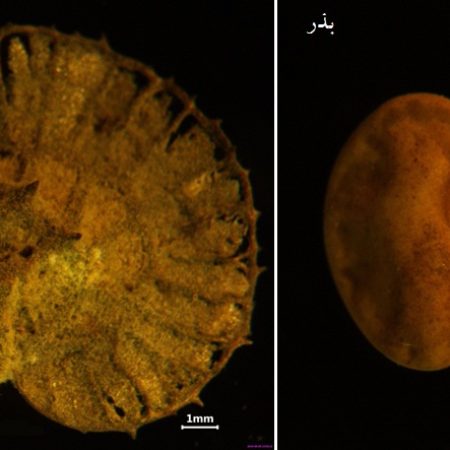
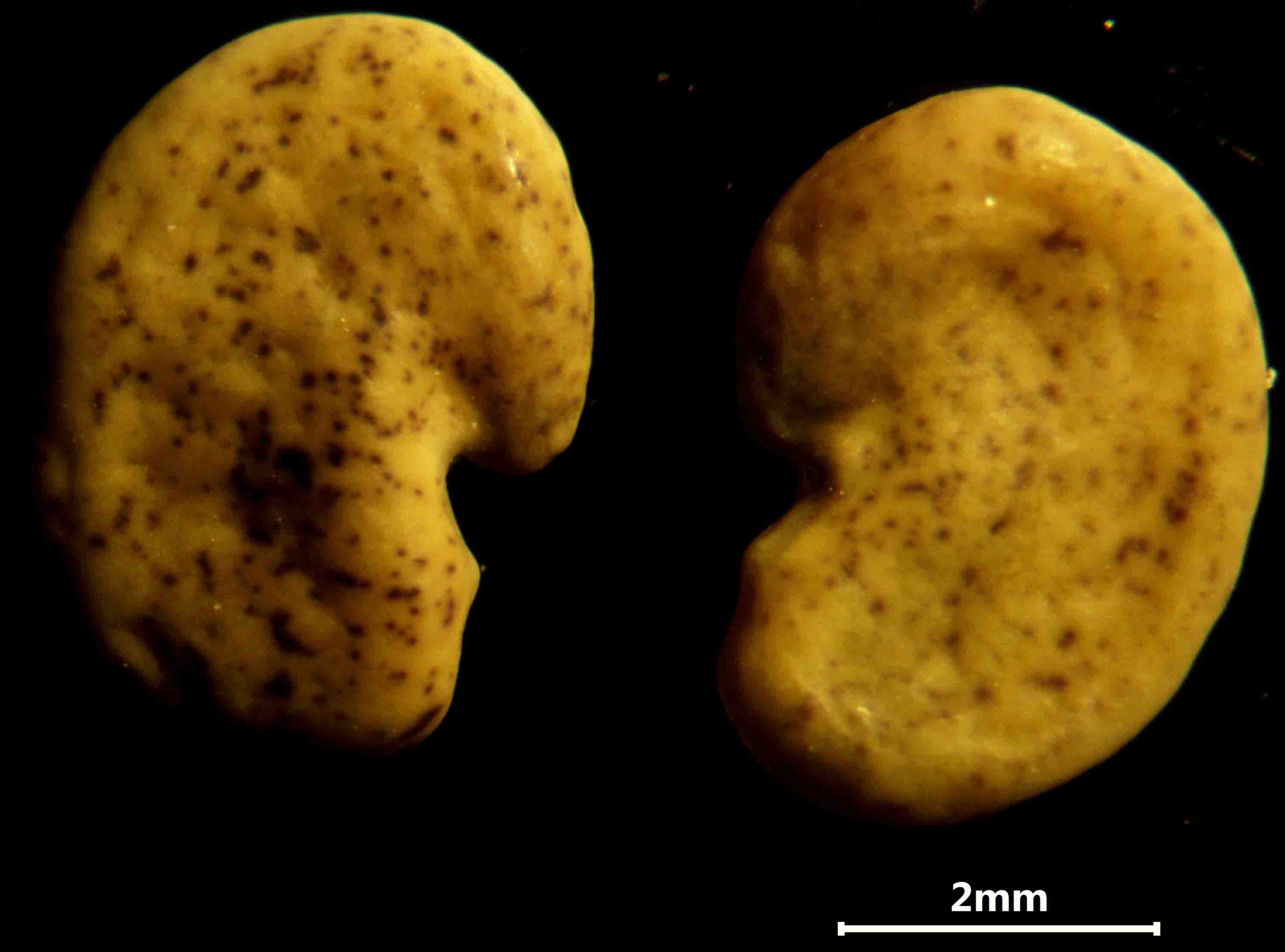
Fruit shape: Obpyramidal-semicuneiform, apex with short collar and corona, gradually narrowed toward base, truncate. Surface longitudinally furrowed, glabrous, glossy in furrows, light brown
Fruit size: Length 2 to 2.5 mm, width 0.45 to 0.59 mm in an accession from Damavand, Tehran with 1000 seed/fruit weight 0.5 g, which was collected and identified in 2016 by Vali-Allah Mozaffarian, and is stored in the Natural Resources Gene Bank of Iran with the accession number 45909.
Average 1000 seed/fruit weight: 0.5 g
Biological features
Life form: Subshrub, perennial, woody at the base, pubescent. Stems erect, 20 to 40 cm in height
Inflorescence, flower type, and pollination mechanism: Inflorescences solitary capitate, capitulum discoid; Florets hermaphrodite, yellow; involucral bracts multiseriate. Plant monoecious, cross-pollinated. Pollination is carried out by insects and wind.
Time of flowering: Summer
Time of fruit/seed ripening: Summer
Fruit/seed dispersal methods: Seed weight
Geographical distribution: Endemic to Iran. Typus from between Gazand Morchekhort, Isfahan
Distribution in Iran: Center. Mostly in provinces Isfahan, Kerman and Tehran
Taxonomy
Family: Asteraceae
Genus: Tanacetum
Species: T. lingulatum
Persian name: Mina-e esfahani, Mina-e zabanaki
References and Links
Black, M. and Bewley, J.D. 2000. Seed technology and its biological basis. Sheffield Academic Press, 1-419 P.
Bojňanský, V. and Fargašová, A. 2007. Atlas of seeds and fruits of central and East-European flora: the Carpathian Mountains region. Springer, Dordrecht, The Netherlands, 1046 P.
Ghahraman, A. Flore of Iran. Research Institute of Forests and Rangelands with University of Tehran Publication. https://floraofiran.net/index.php.
Mozaffarian, V.A. 1998. Dictionary of Iranian plants names. Farhange Moaser Publisher, Tehran, 671 P.
Mozaffarian V. 2008. Flora of Iran, Asteraceae (Compositae): Tribes Anthemideae and Echinopeae. Institute of Forests and Rangelands Press, Tehran, Iran, Publication No. 59, 443 pp.
Mozaffarian, V.A. 2012. A Pictorial dictionary of botany. Farhange Moaser Publisher, Tehran, 1088 P.
Sharma, O.P. 2009. Plant taxonomy 2E. Tata McGraw-Hill Education, New Delhi, 563 P.