
 Author: navidcod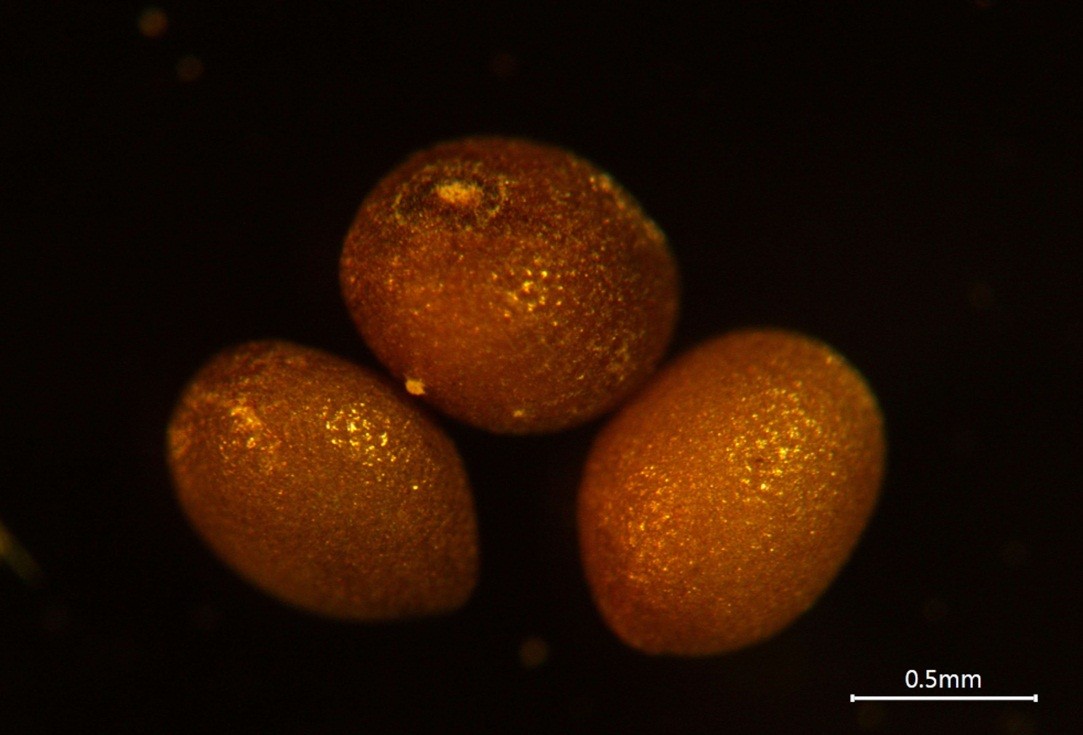
Parvin Salehi Shanjani and Leila Rasoulzadeh
Natural Resources Gene Bank, Research Institute of Forests and Rangelands, Agricultural Research, Education and Extension Organization, Tehran, Iran[1].
Seed Storage
Storage behavior of this species is orthodox; dry to 15-20% eRH and store at -20 °C.
Germination requirements
The seeds of this species are not dormant. Sterilize seeds before placing on wet germination paper. Place seeds in 4ºC for two weeks, then germinate under a constant temperature of 25ºC or with an alternating temperature regime of 15/20ºC (with an 8/16hr photoperiod).
Morphology
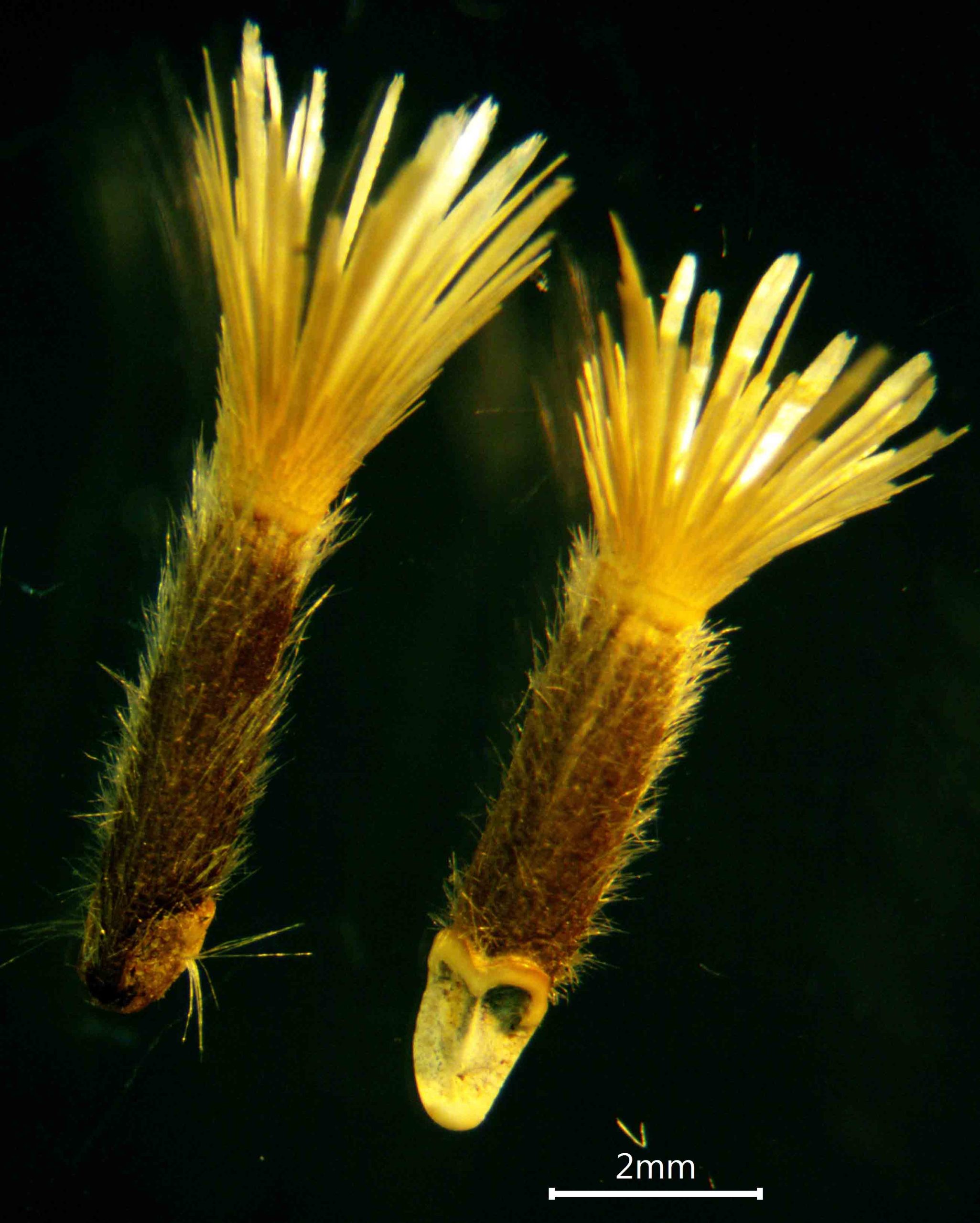
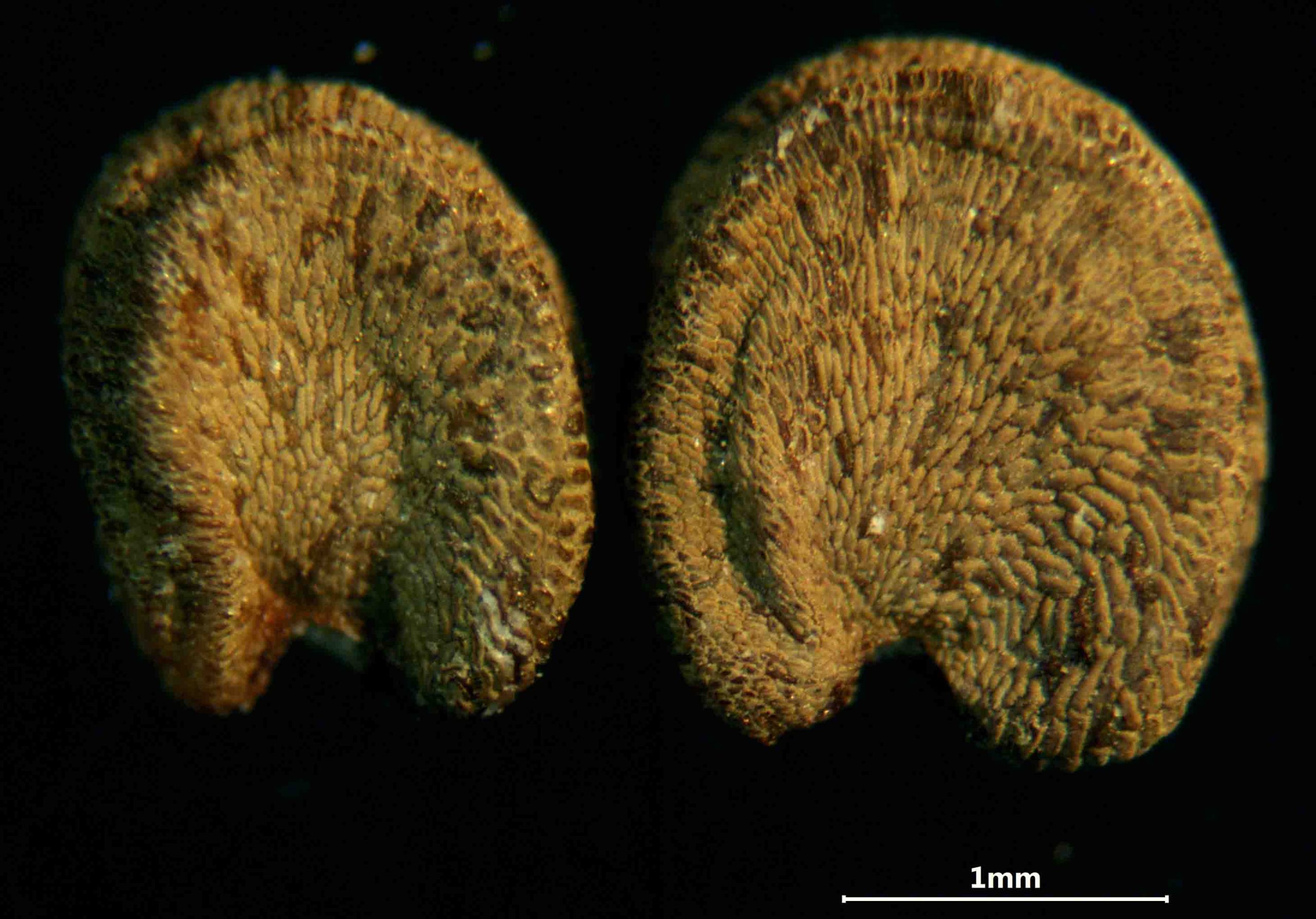
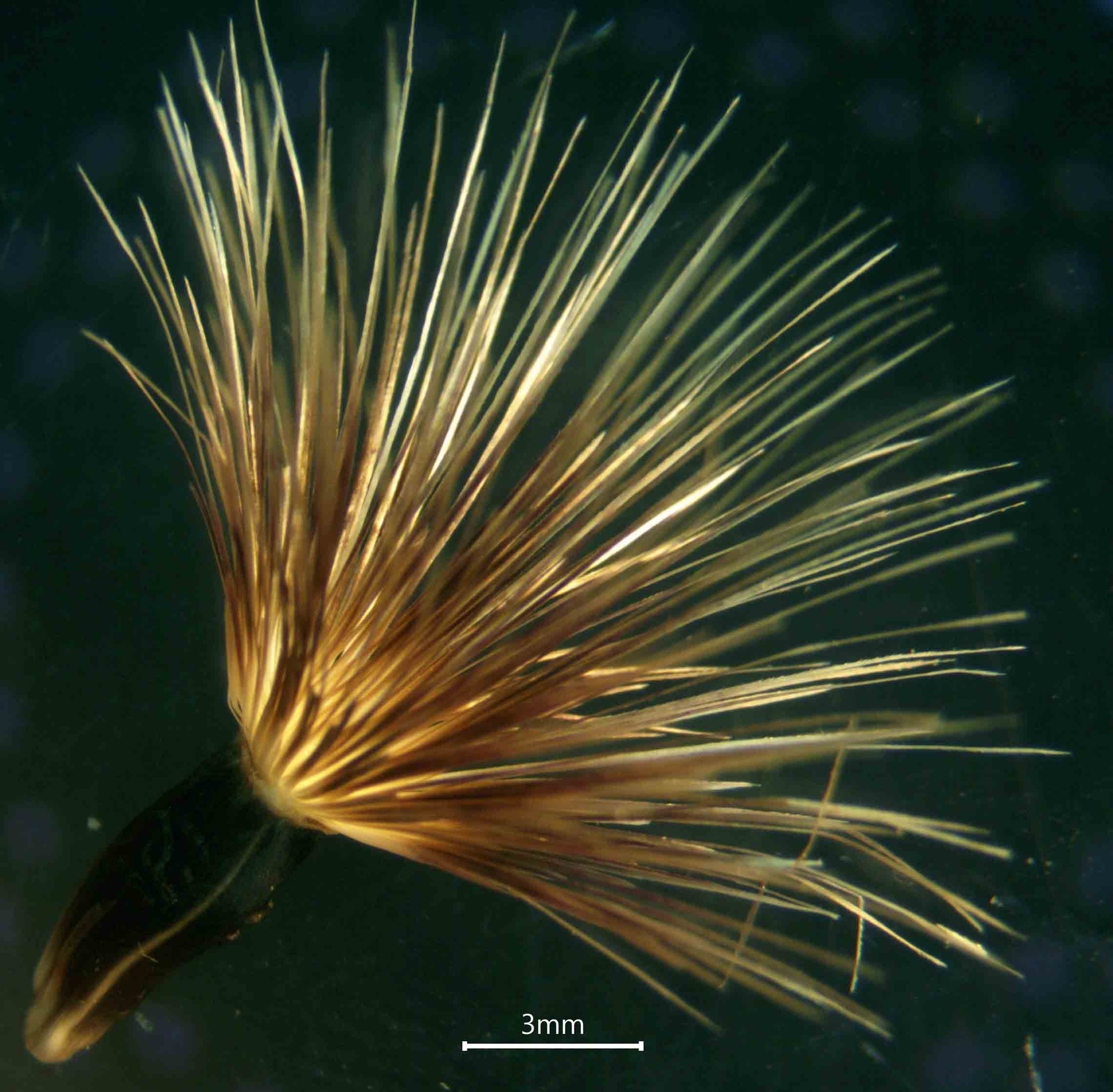
Fruit: The fruit is composed of 4 one-seeded nutlets.
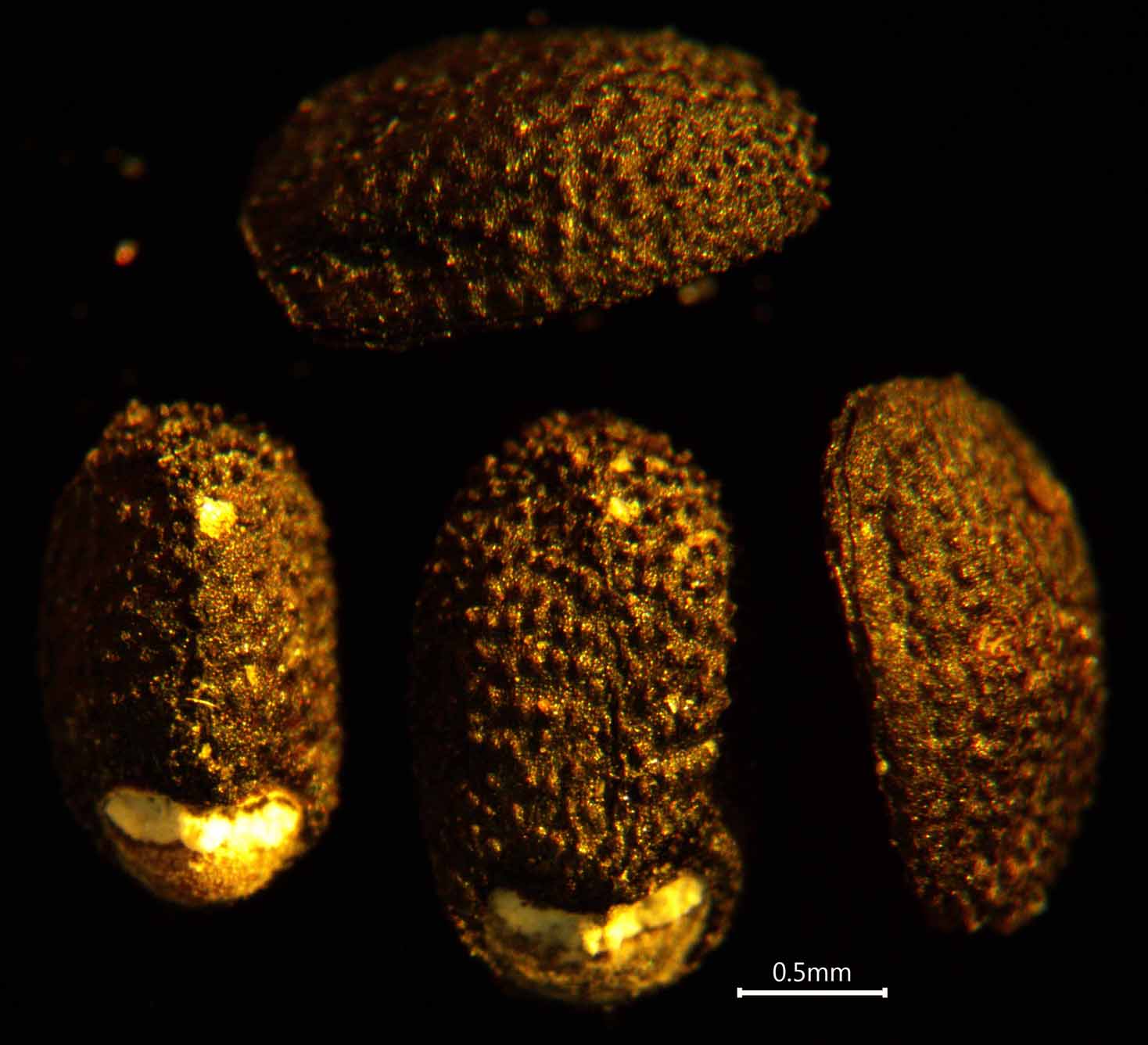
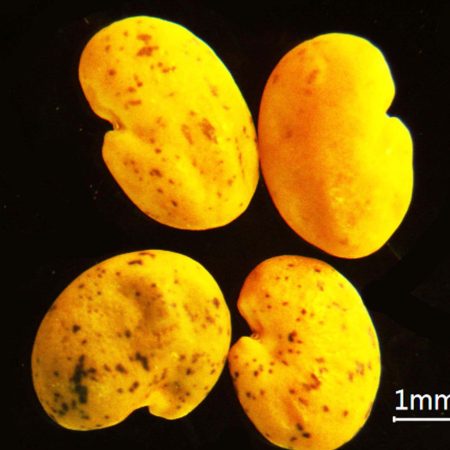
Seed: Round, dark to yellowish/light brown
Seed size: length: 1.3 to 1.4 mm; width: 1.1 to 1.2 mm
Average 1000 seed weight: 0.3-0.4 g
Biological features
Life Form: A perennial, cushion shape subshrub, cespitose, 15 to 30 cm height, with abundant and hanging branches.
Flower type and pollination mechanism: Violet to purple flowers are tubular and 2-lipped (zygomorphic). They are arranged in a loose head inflorescence. Pollination is by both wind (anemophily) and insect (entomophily).
Time of flowering: May to Jun
Time of seed ripening: May to July
Seed dispersal methods: By wind and insects
Geographical distribution in Iran: North, Northwest, and the center, mostly in the provinces of Azerbaijan, Mazandaran and Gilan.
Taxonomy
Family: Lamiaceae
Genus: Thymus
Species: caucasicus
Persian name: Avishan-e-Ghafghazi
References and Links
Jamzad, Z. 2009. Thymus and Satureja species of Iran. Research Institute of Forests and Rangelands, Tehran.
Morales, R. 2002. The history, botany and taxonomy of the genus Thymus, In: E. Stahl-Biskup and F. Sáez (eds.), The genus Thymus, Taylor and Francis, London and New York.
Morton, J.F. 1997. Major medicinal plants, botany, culture and uses. Charles C. Thomas Publisher, Bannerstone House.
Nasiri, M., Seedian, S.E., Sharifi Ashorabadi, E. 2016. Investigation of seed germination, establishment and identification of different Thymus species available in Natural Resources Gene Bank of Iran. Iranian Journal of Medical and Aromatic Plants, 32 (1): 115-126. DOI: 10.22092/ijmapr.2016.106141.
Rechinger, K.H. 1982. Flora Iranica. vol.152: Akademische druck and Varagsanstalt. Graz. 542-543.
Zrgari, A. 1990. Medicinal Plants. Vol. 4. Tehran University Publications, Tehran.
[1] Uploaded at 2019.