
 Author: navidcod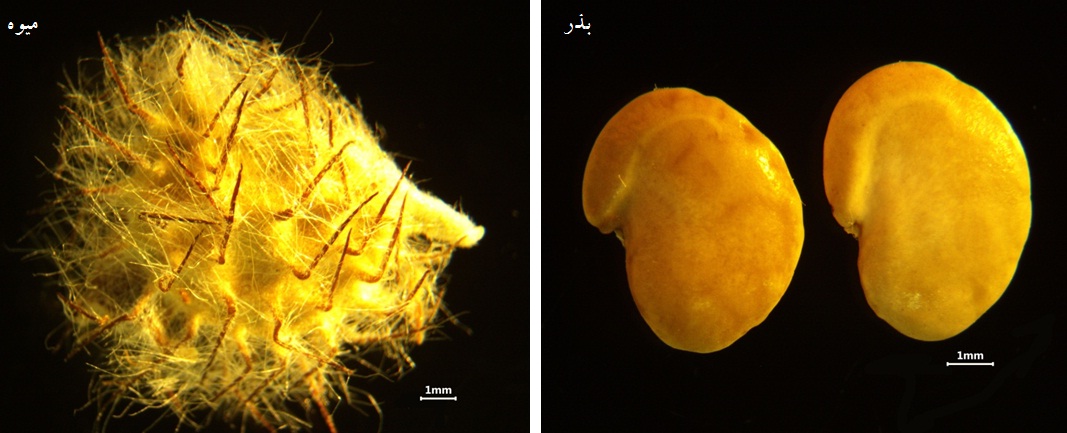
Onobrychis buhseana
Masoumeh Izadpanah, Parvin Salehi Shanjani, Leila Falah Hoseini and Mahmoud Amirkhani
Natural Resources Gene Bank, Research Institute of Forests and Rangelands, Agricultural Research, Education and Extension Organization, Tehran, Iran.
Uploaded at August 2021
Scientific editor: Valiullah Mozaffarian
Seed Storage
The storage behavior of this species is orthodox (desiccation-tolerant seeds); dry to 15-20% RH and store at -20 °C.
Germination requirements
The seeds of this species show non-deep dormancy. Sterilize seeds before placing them on wet germination paper. Place seeds two weeks in 4ºC to germinate uniformly. Then germinate under an alternating temperature regime of 15/20 ºC (the higher temperature for 16 hours in light and the lowest one for eight hours in dark).
Morphology
Fruit type: Legume
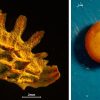
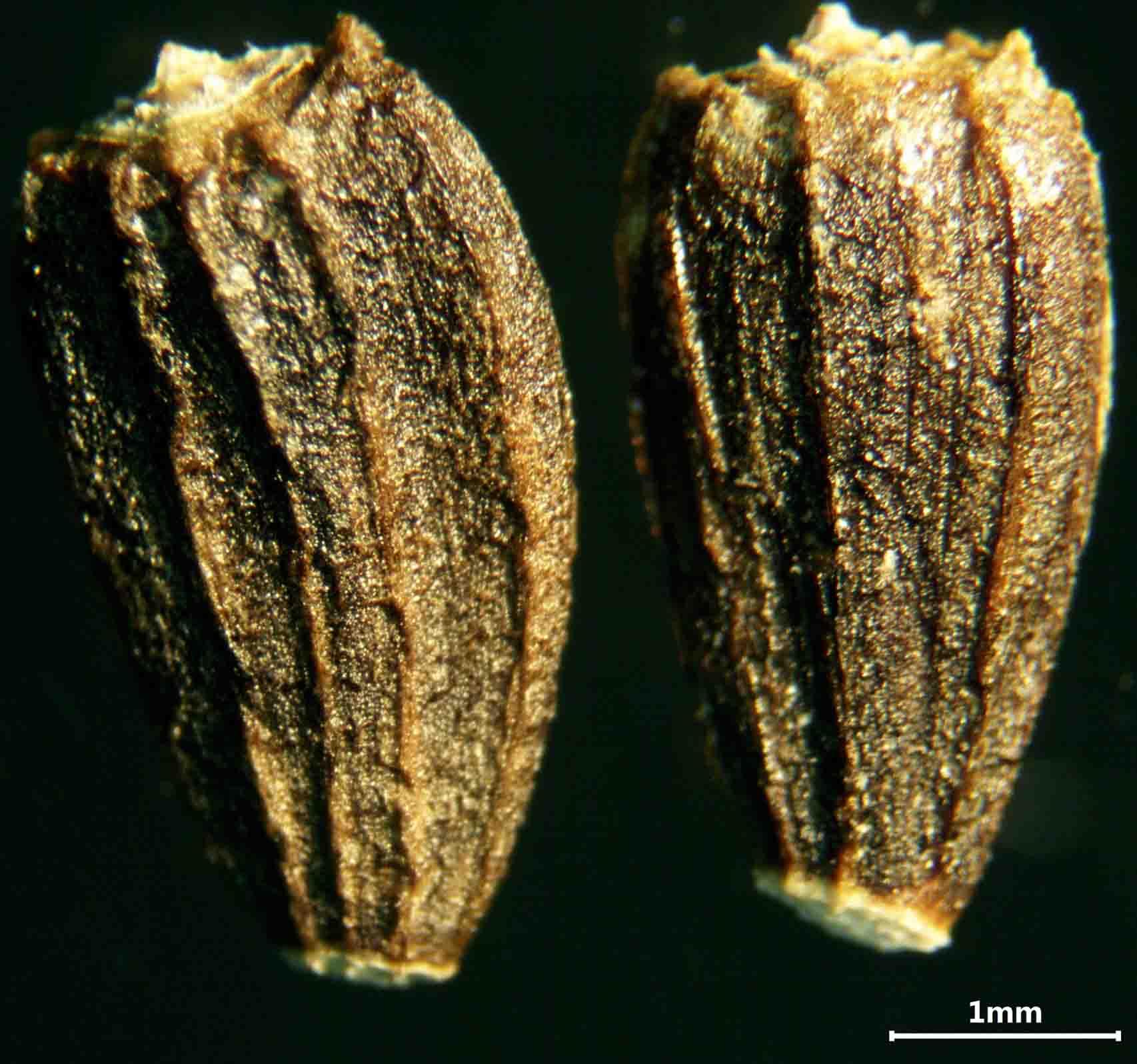
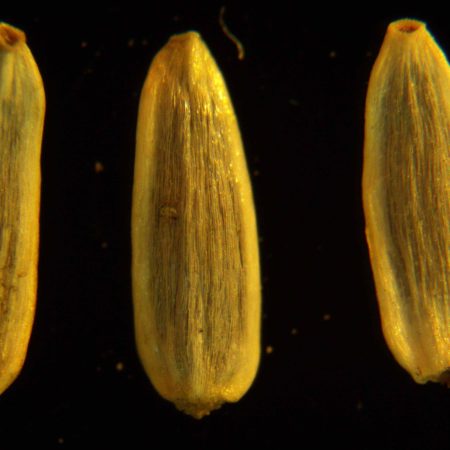
Fruit shape: Stipitate oval, orbicular, lower margin recurved, covered with plumose spines
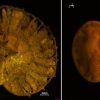
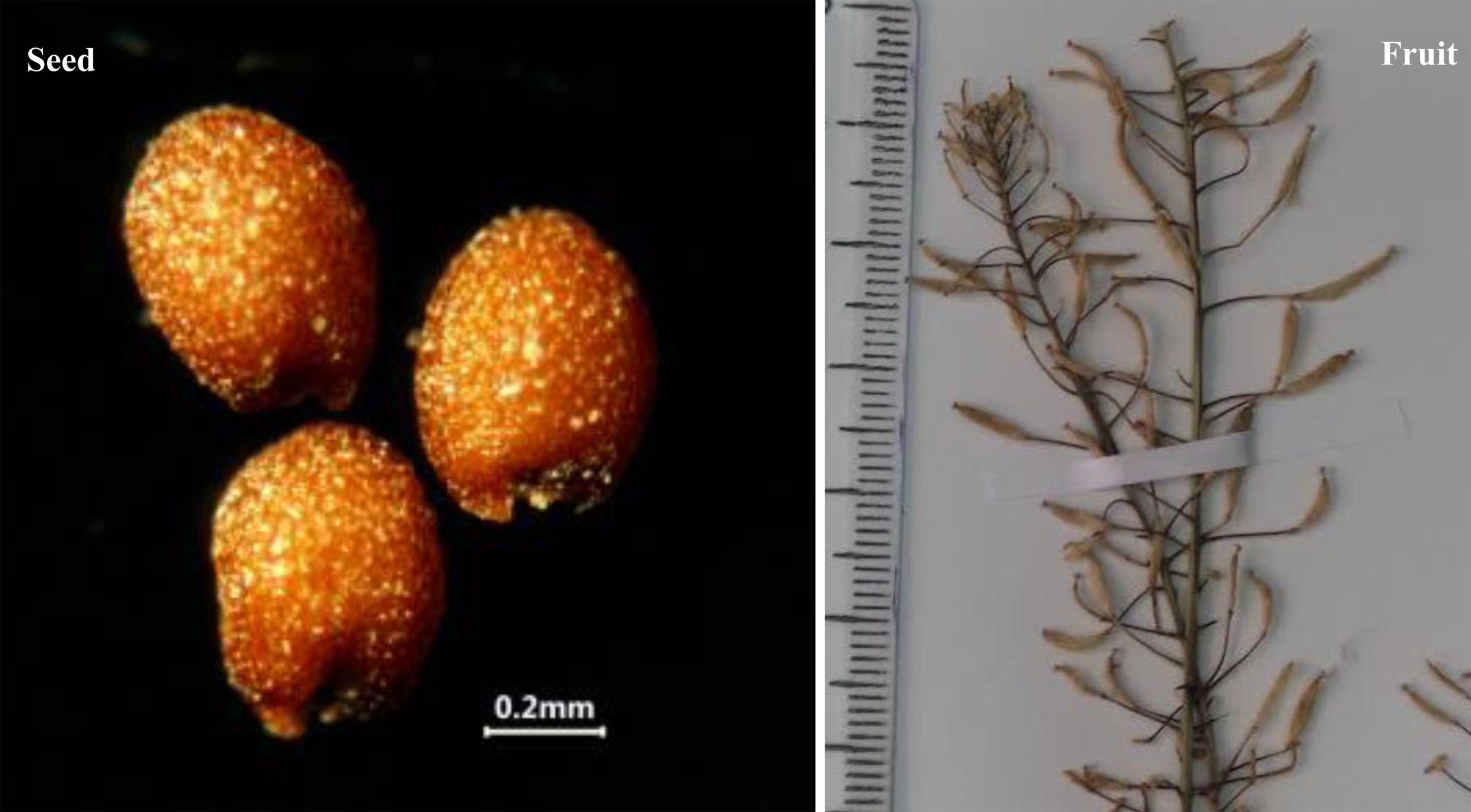
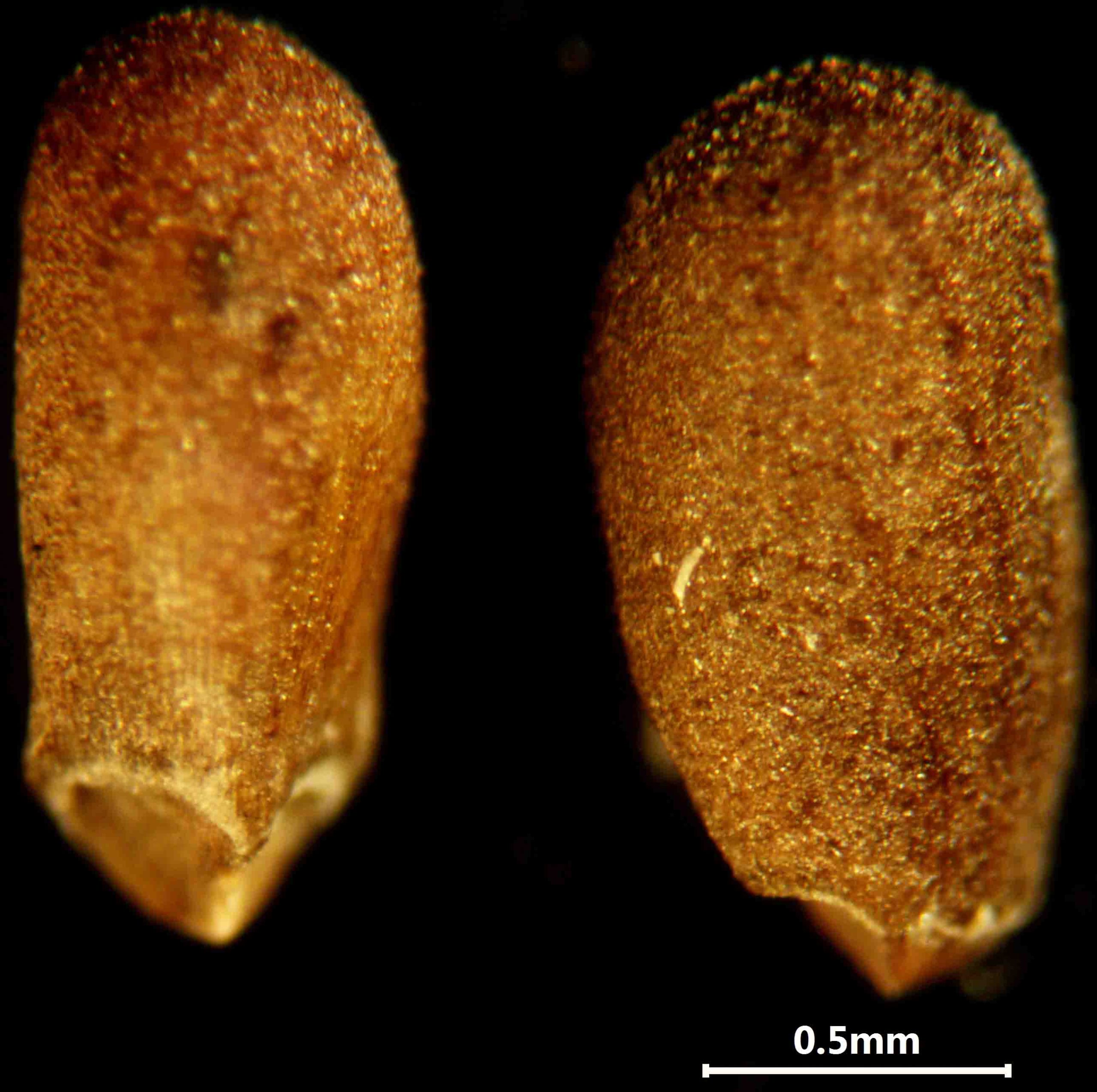
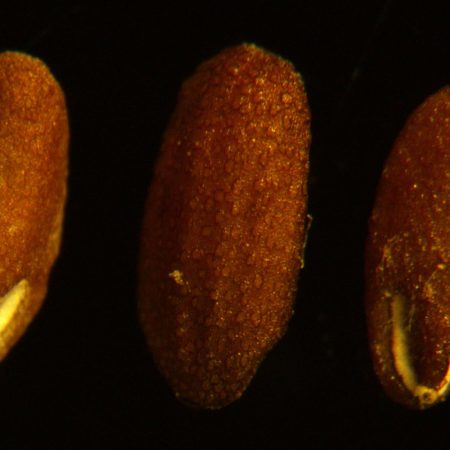
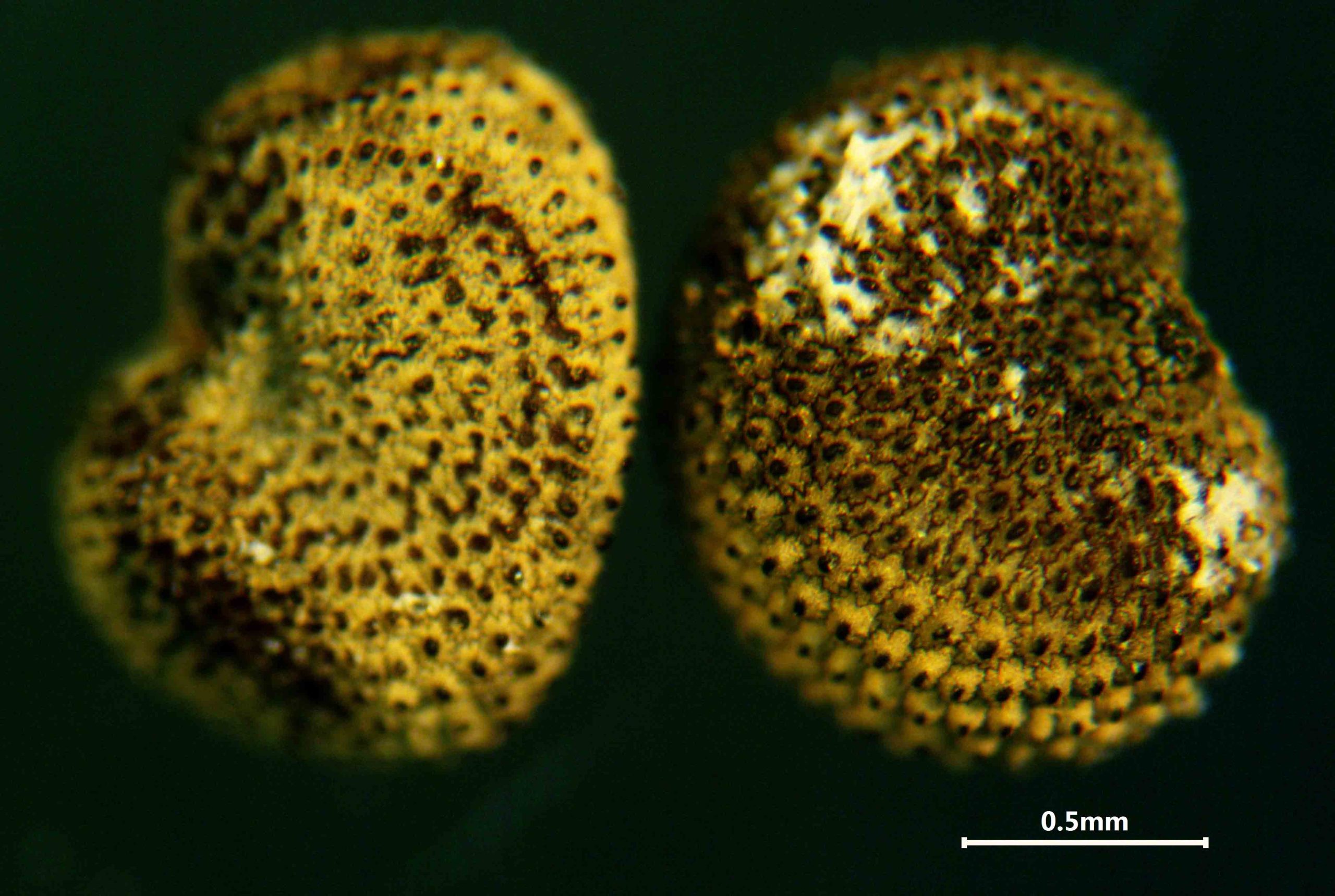
Seed shape: Reniform, alveolate along dorsal edge; seed coat smooth, yellowish –light brown; radicle longer than half the length of the seed
Fruit size: Length 6.5 – 8 mm, maximum width 5-6 mm
Seed size: length 4-5 mm, maximum width 3-4 mm in an accession from West Azarbaijan with 1000 fruit weight 28.5 g, which was collected in 2001 by Mahmud Amirkhani, and the cultivated sample was identified by Hasan Amirabadizadeh with accession number 6010.
1000 fruit weight: 25-30 g
Biological features
Life form: Perennial, erect with numerous stems, and woody rhizome
Inflorescences and flower type and pollination mechanisms: Inflorescence cymose, peduncle as long as leaves, flowers hermaphrodite, zygomorphic and asymmetric; corolla (formed from banner: upper large petal, wings: two petals adjacent to the banner, and keel: two bottom petals) yellow or pinkish red-veined, wings longer than the keel; stamens are always ten in number, and their filaments are fused in a group of nine stamens plus one separate stamen (9+1). Plant monoecious, facultative cross-pollinate, which is carried out by insects.
Time of flowering: May-June
Time of seed ripening: July
Seed dispersal methods: The seeds are displaced by weight. Pods move by attaching to the wool and hair of animals.
Geographical distribution: Endemic of Iran. Typus Tabriz, Iran.
Distribution in Iran: North West. Azarbayjan
Taxonomy
Family: Papilionaceae
Genus: Onobrychis
Species: buhseana
Persian name: Esperes tabrizi
References and Links
Bojňanský, V. and Fargašová, A. 2007. Atlas of seeds and fruits of central and East-European flora: the Carpathian Mountains region. Springer, Dordrecht, The Netherlands, 1046 pp.
Cappers, R.T.J., Bekker, R.M. and Jans, J.E.A. 2006. Digital seed atlas of the Netherlands. The Groningen Institute of Archaeology, Amsterdam 509 pp.
Cenci, C.A., Bassi, G., Ferranti, F. and Romano, B. 2000. Some morphometric, anatomical, and biochemical characteristics of fruits and seeds of Onobrychis spp. in Italy. Plant Biosystems134: 91-98.
Ghahraman, A. Flore of Iran. Research Institute of Forests and Rangelands with Uuniversity of Tehran publication. https://floraofiran.net/index.php.
Mozaffarian, V. 2012. A Pictorial Dictionary of Botany. Farhange Moaser publisher, 1088 pp.
Mozaffarian, V.A. 1998. Dictionary of Iranian plants names. Moaser Publisher, Tehran Farhang, 671 pp.
Rechinger, K. H. 1984. Onobrychis. In K.H. Rechinger, Flora Iranica, no. 157: 389–459. Akademische Druck- u.-Verlagsanstalt. Graz.