
 Author: آمنه غلامی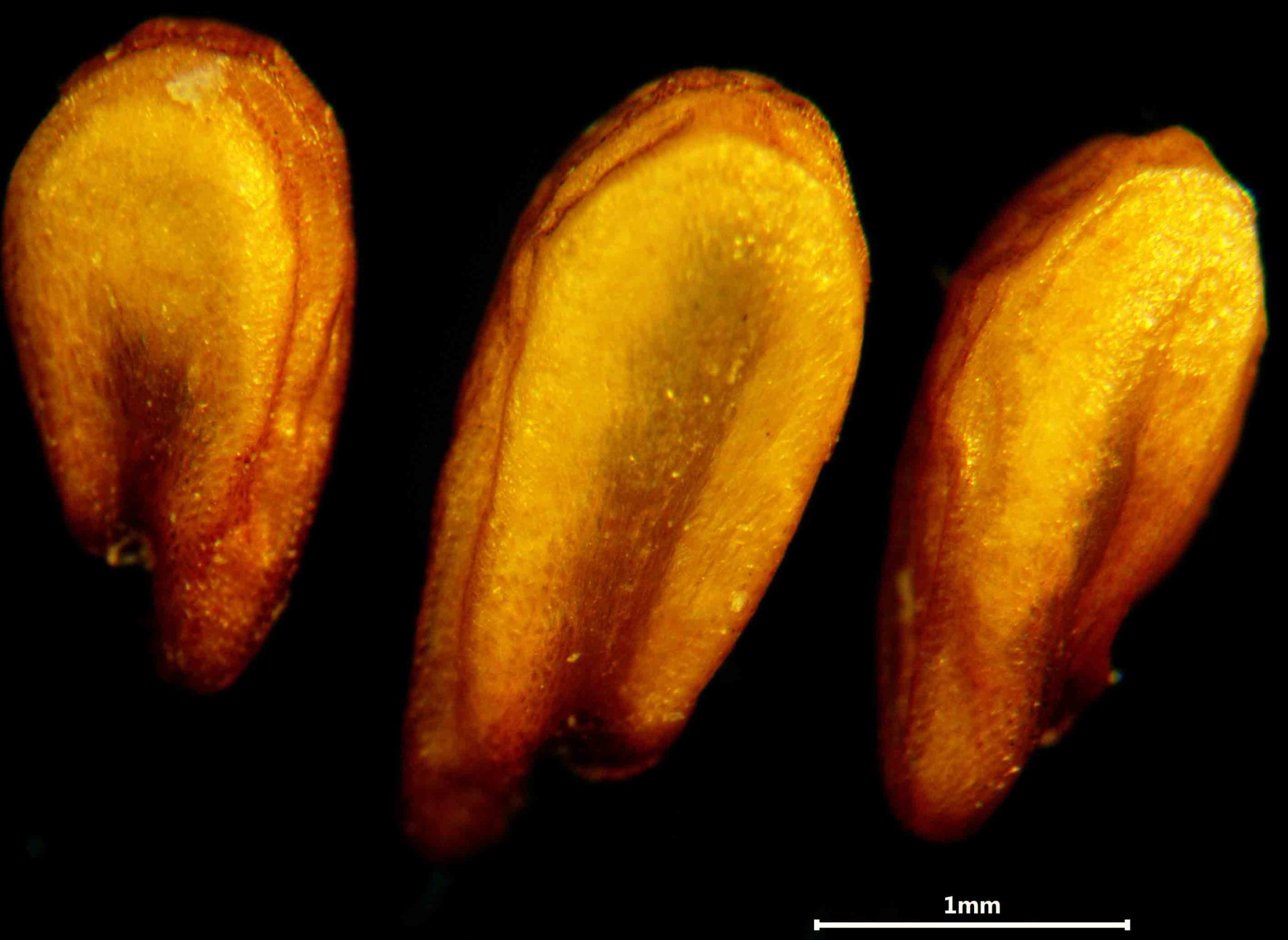
Allochrusa persica
Parvin Salehi Shanjani, Sara Nikkhah, Hamide Fakhrranjbari and Amene Gholami
Natural Resources Gene Bank, Research Institute of Forests and Rangelands, Agricultural Research, Education and Extension Organization, Tehran, Iran.
Uploaded at July 2025
Scientific editor: Masoumeh Izadpanah
Seed Storage
The storage behavior of this species is orthodox (desiccation-tolerant seeds), dry to 15-20% eRH, and store at -20°C.
Germination requirements
The seeds of this species are not dormant. Sterilize seeds before placing them on wet germination paper. Place seeds for two weeks at 4 ºC to germinate uniformly. Then germinate under an alternating temperature regime of 15/20 ºC (the higher temperature for 16 hours in light and the lower one for eight hours in dark).
Morphology
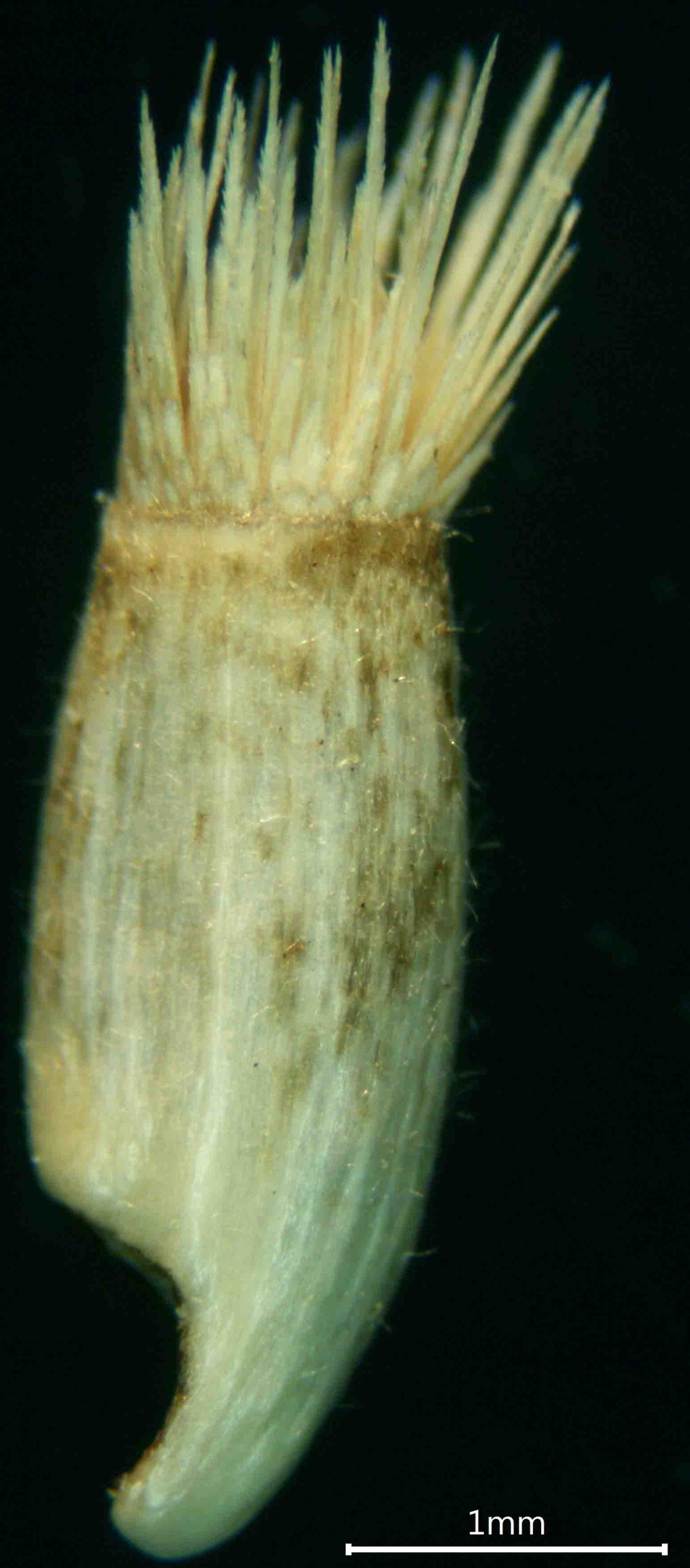
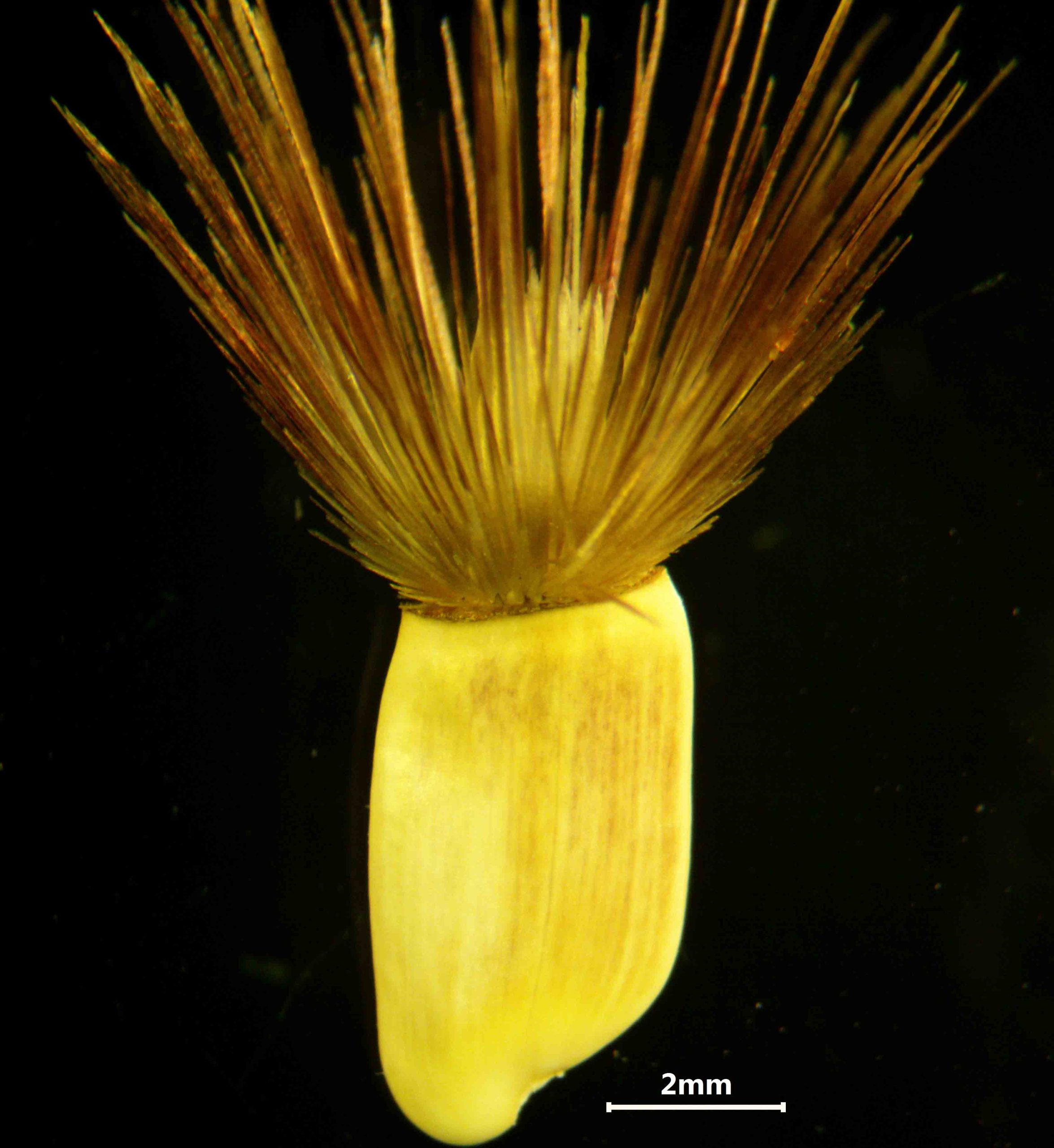
Fruit type: Capsule
Fruit shape:
Fruit size:
Seed shape:
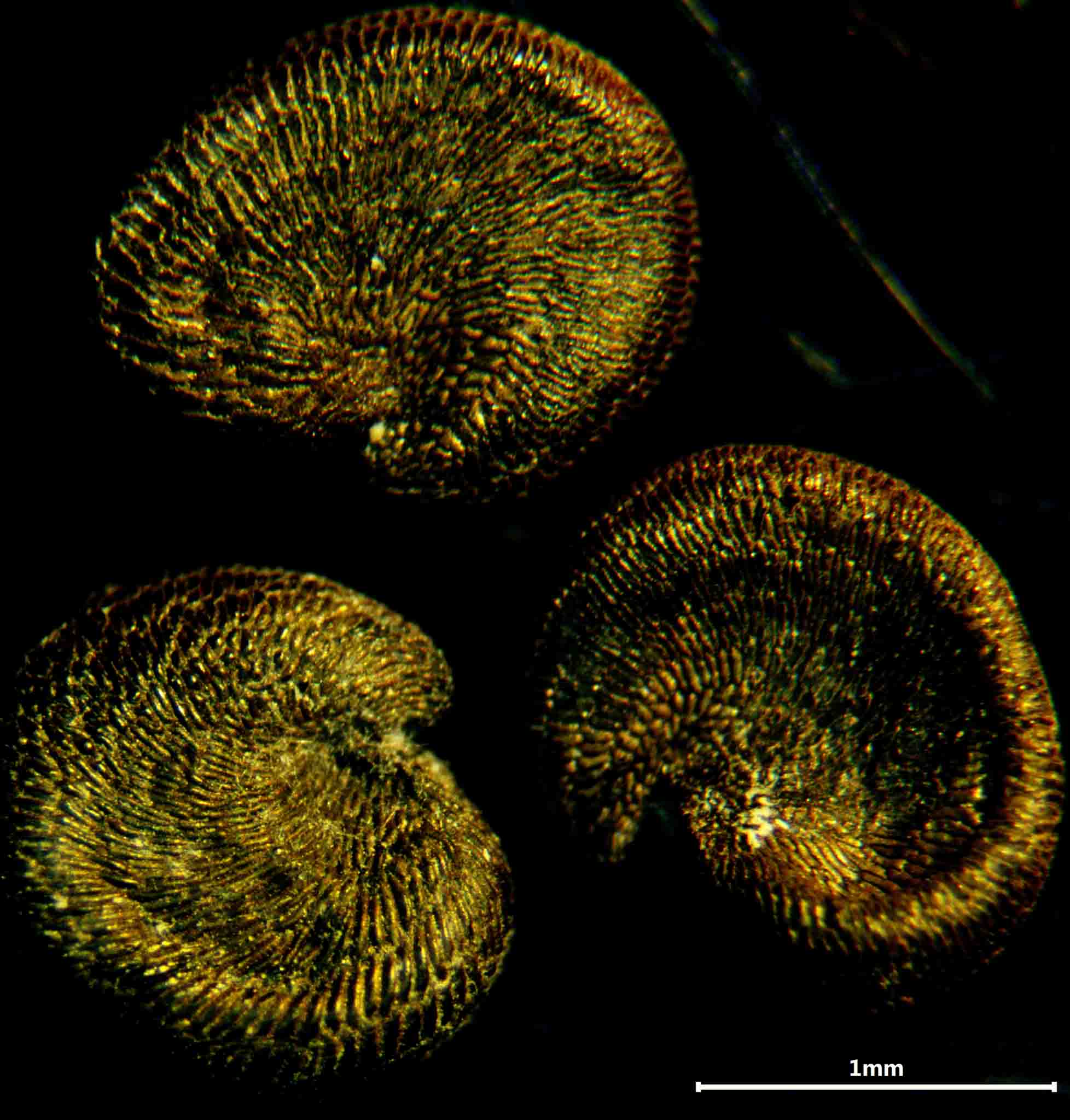
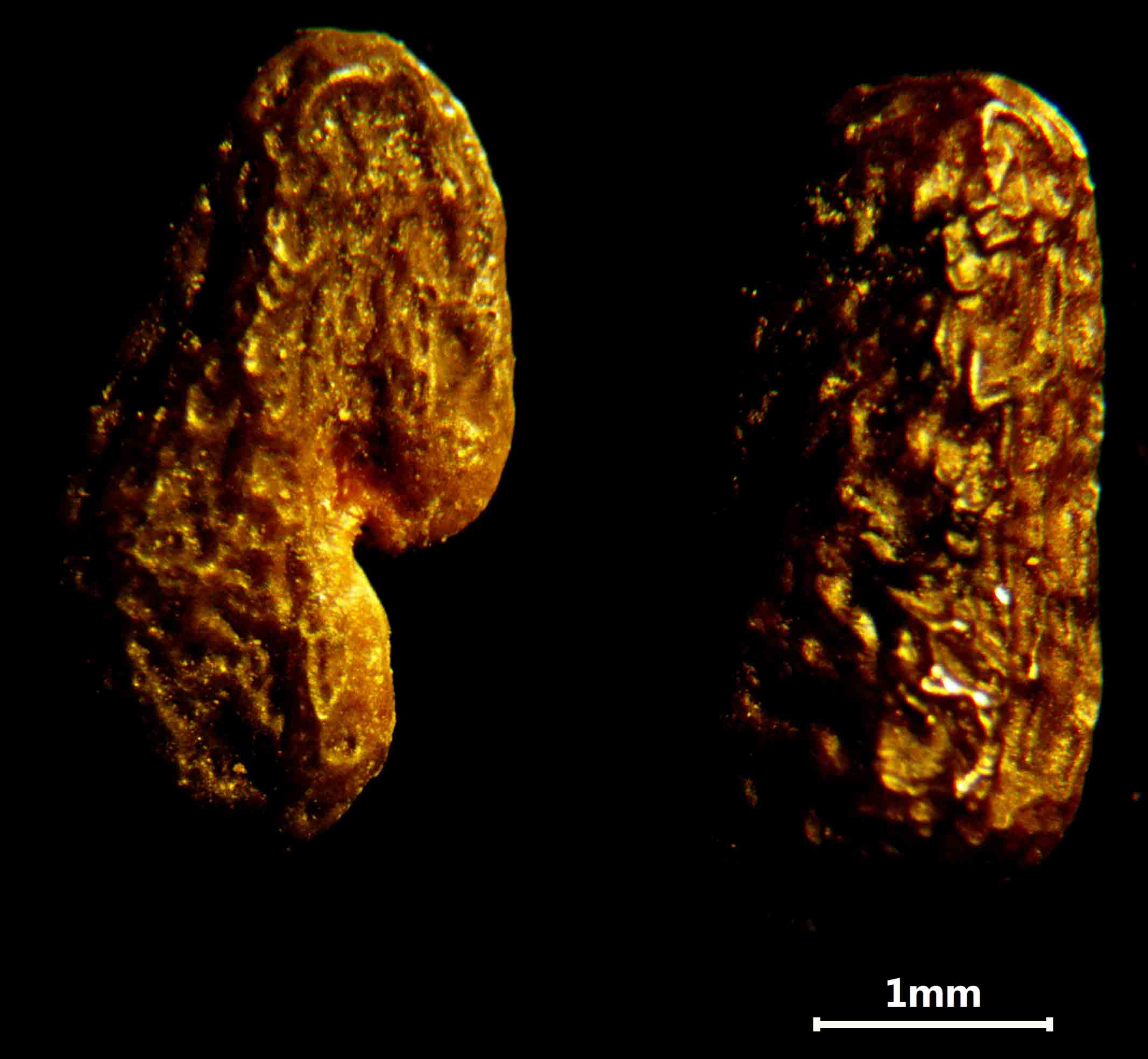
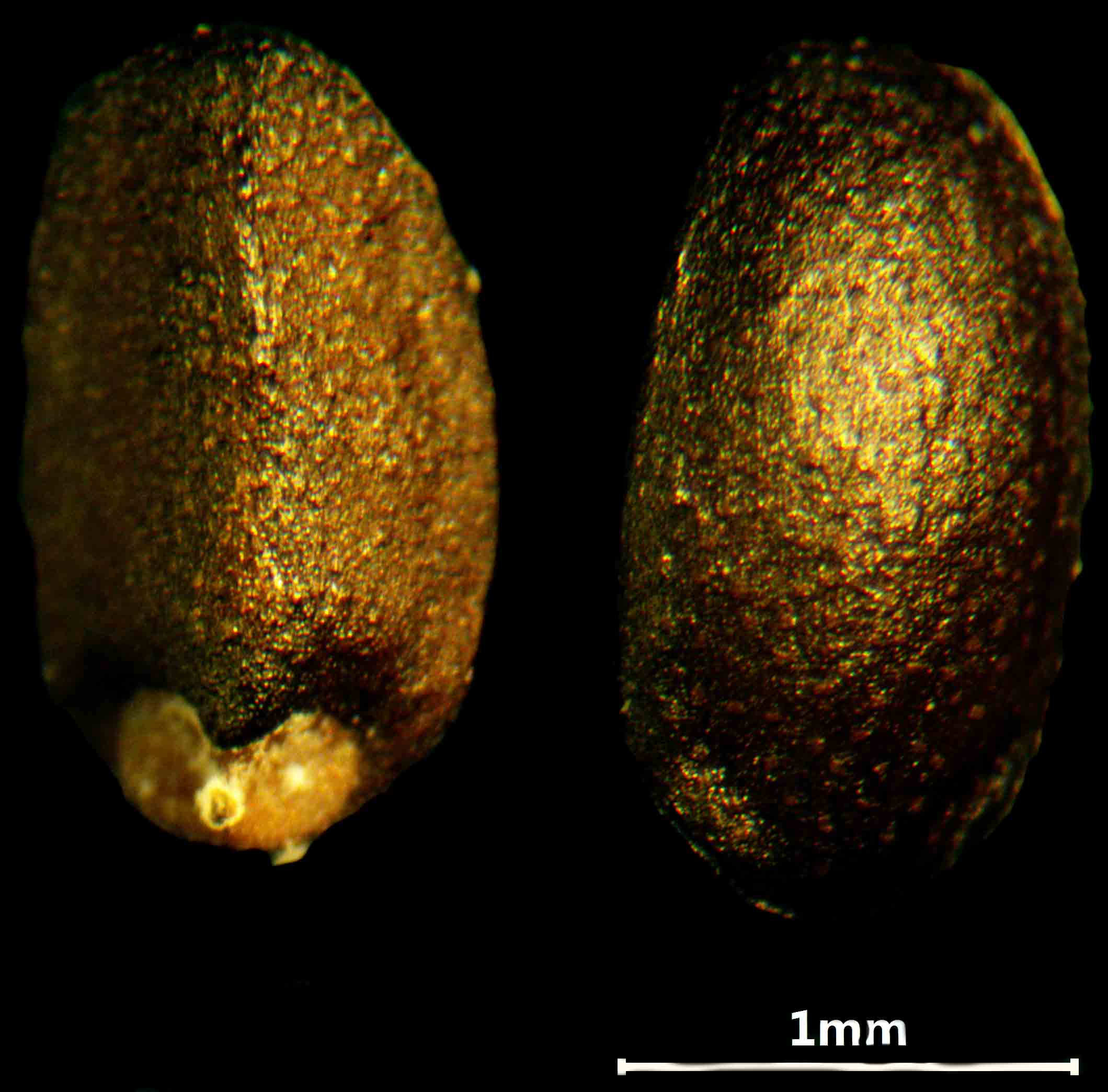
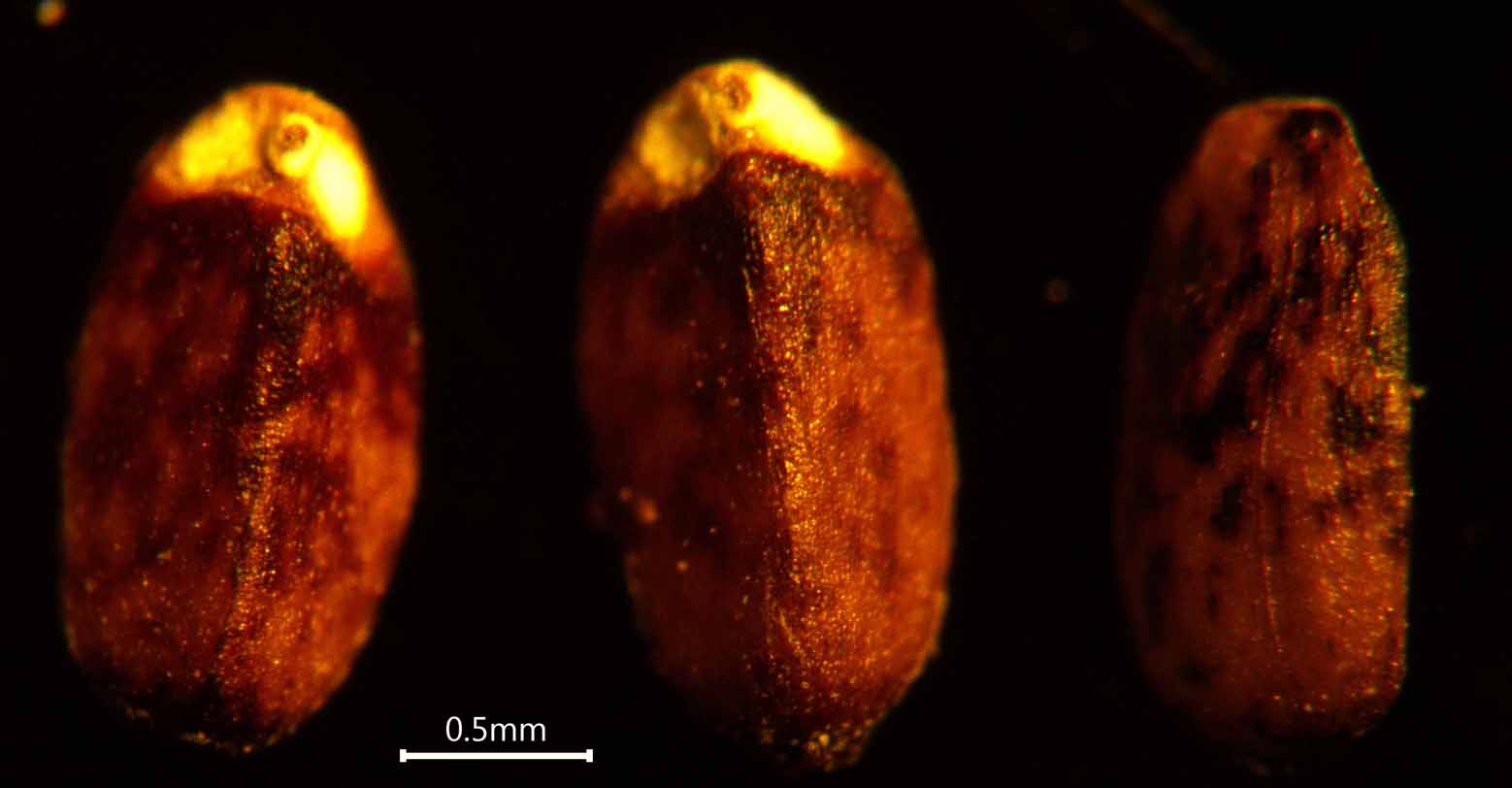
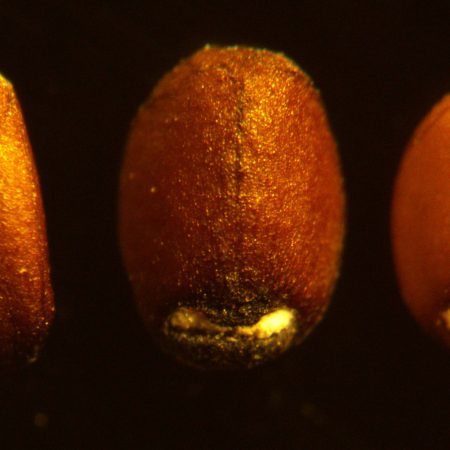
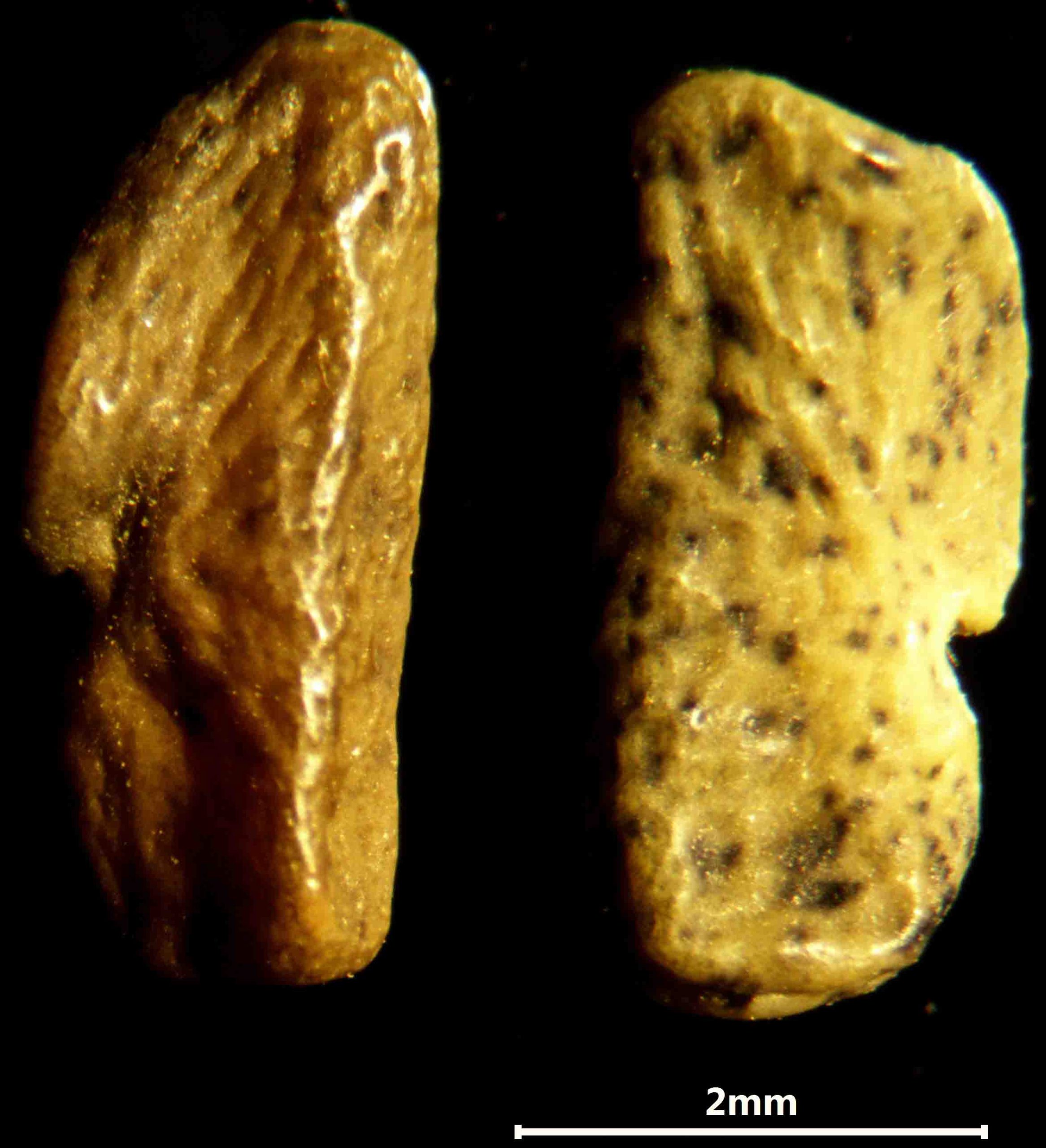
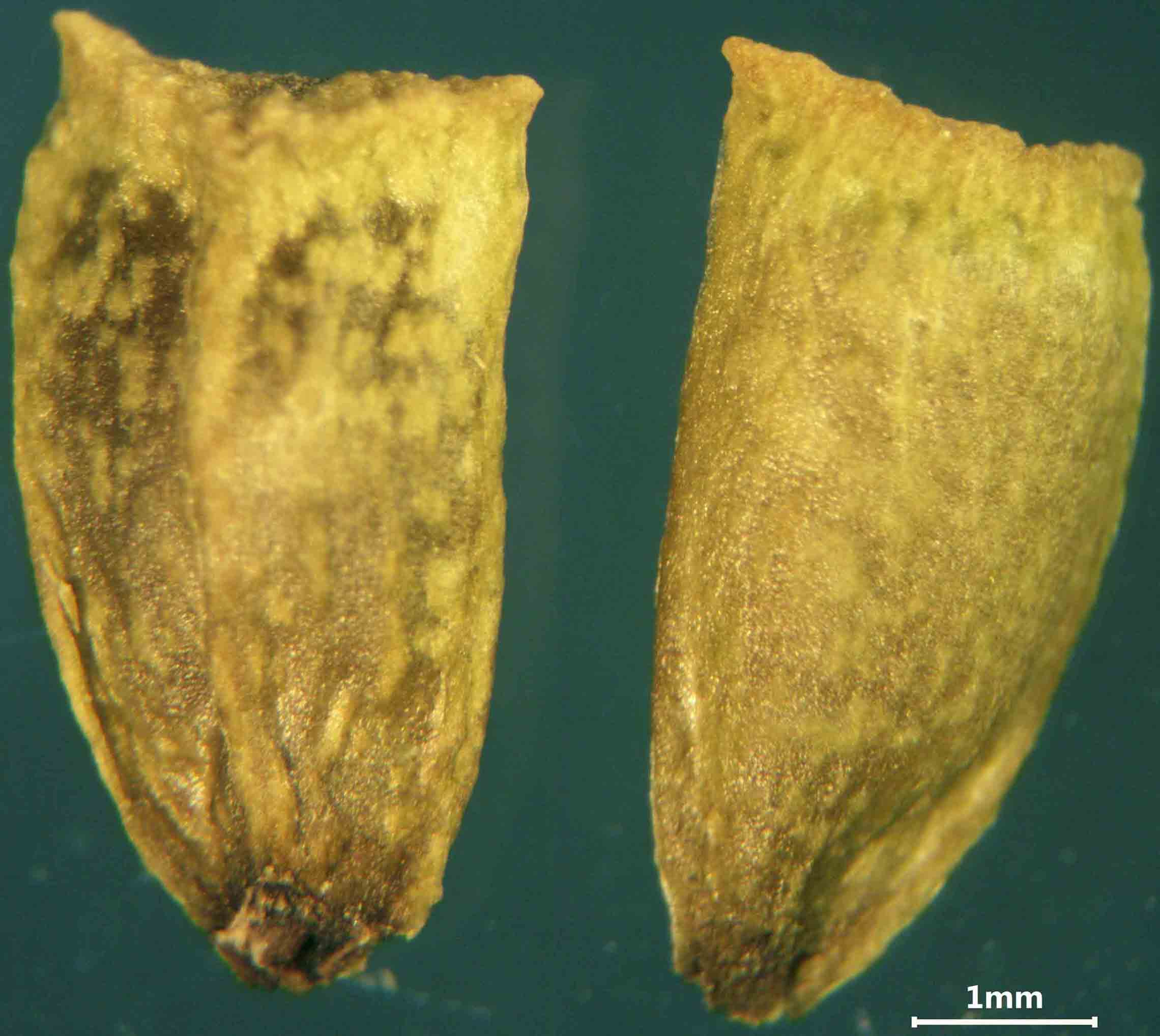
Seed size: Length 1.02 to 1.21 mm, width 2.18 to 2.74 mm in an accession from East Azerbaijan Research and Education Center, with 1000 seeds weight 1.2 g, which was collected and identified in 2019 by Hamide Fakhrranjbari, and is stored in the Natural Resources Gene Bank of Iran with an accession number of 48325.
1000 seed weight: 1.2 g
Biological features
Life form: Perennial, herbaceous, woody at the base, pubescent. Stems ascending, up to 32 cm long
Inflorescence, flower type, and pollination mechanism: Inflorescence compound cyme, many flowered, almost as long the stem; calyx gamosepalous, corolla petaliferous, petals, cream to pink when it is dried, with obvious pink veins at the base. Plant monoecious, cross-pollinated. Pollination is carried out by insects and wind.
Time of flowering: Late spring
Time of seed ripening: Early summer
Seed dispersal methods: Seed weight
Geographical distribution: Endemic to Iran. Typus from near Tabriz
Distribution in Iran: Northwest. Mostly in province Azerbaijan
Taxonomy
Family: Caryophyllaceae
Genus: Allochrusa
Species: A. persica
Persian name: Alvani
References and Links
Asadi, M., Fadaei, F., Tawakli, Z., Heydari Rikan, M., Mostafavi, G., Mahdavi, M., Poursakhi, K. and Nejad Flatori, A. 2023. Flora of Iran. Charyophyllaceae. Institute of Forests and Rangelands Press, Tehran, Iran, Publication, No. 168, 987 pp.
Black, M. and Bewley, J.D. 2000. Seed technology and its biological basis. Sheffield Academic Press, 1-419 P.
Bojňanský, V. and Fargašová, A. 2007. Atlas of seeds and fruits of central and East-European flora: the Carpathian Mountains region. Springer, Dordrecht, The Netherlands, 1046 P.
Ghahraman, A. Flore of Iran. Research Institute of Forests and Rangelands with University of Tehran Publication. https://floraofiran.net/index.php.
Mozaffarian, V.A. 1998. Dictionary of Iranian plants names. Farhange Moaser Publisher, Tehran, 671 P.
Mozaffarian, V.A. 2012. A Pictorial dictionary of botany. Farhange Moaser Publisher, Tehran, 1088 P.
Sharma, O.P. 2009. Plant taxonomy 2E. Tata McGraw-Hill Education, New Delhi, 563 P.