
 Author: navidcod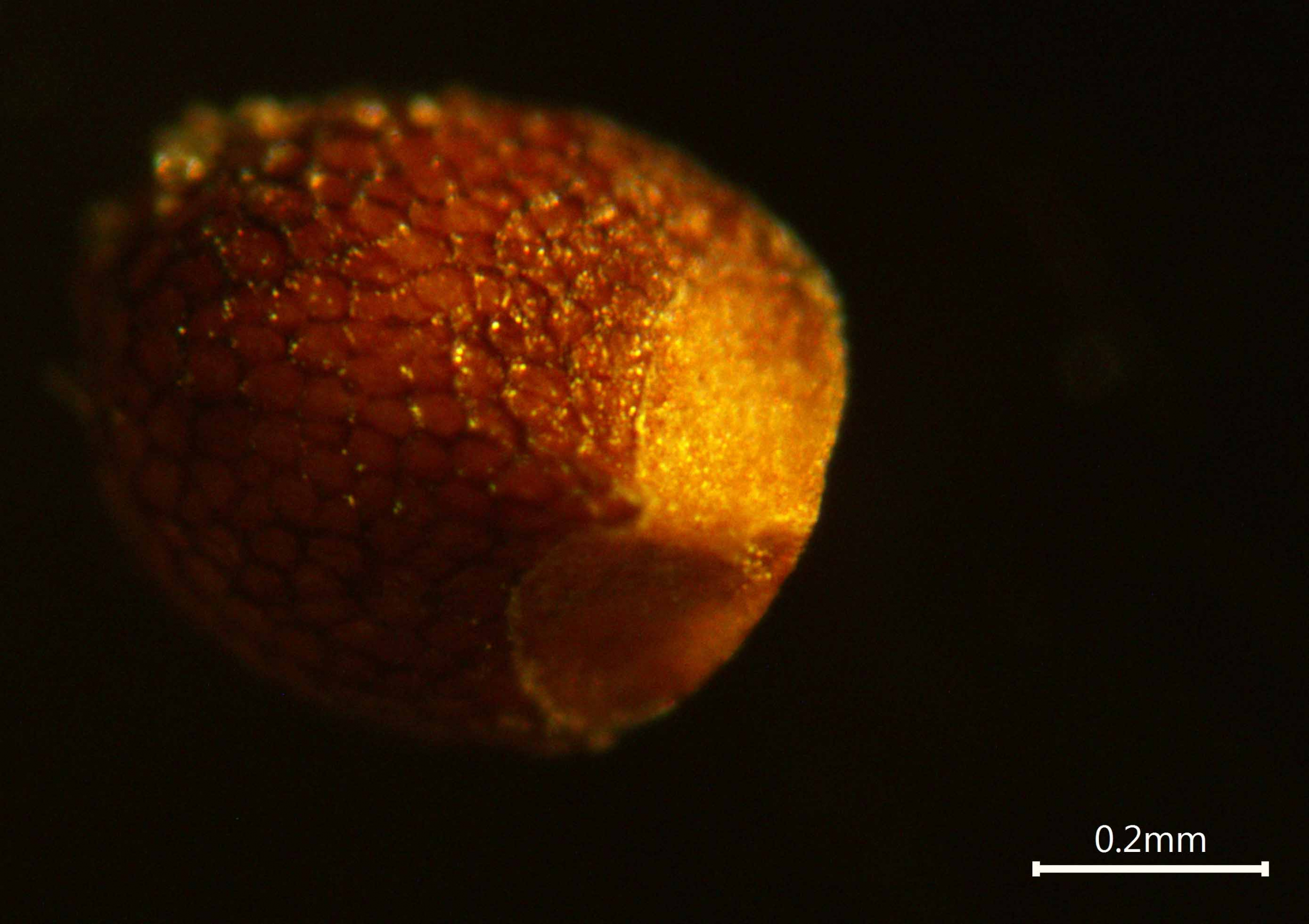
Mentha rotundifolia
Synonym of Mentha suaveolens Ehrh.
Parvin Salehi Shanjani and Leila Rasoulzadeh
Natural Resources Gene Bank, Research Institute of Forests and Rangelands, Agricultural Research, Education and Extension Organization, Tehran, Iran.
Uploaded at August 2021
Scientific editors: Valiullah Mozaffarian and Masoumeh Izadpanah
Seed Storage
Storage behavior of this species is orthodox (desiccation-tolerant seeds); dry to 15% eRH and store at -20°C.
Germination requirements
The seeds of this species are not dormant. Sterilize seeds before placing them on wet germination paper. Place seeds for two weeks in 4ºC to germinate uniformly. Then germinate under an alternating temperature regime of 15/20 ºC (the higher temperature for 16 hours in light and the lower one for eight hours in dark). Seeds need light to germinate; thus should be surface sown.
Morphology
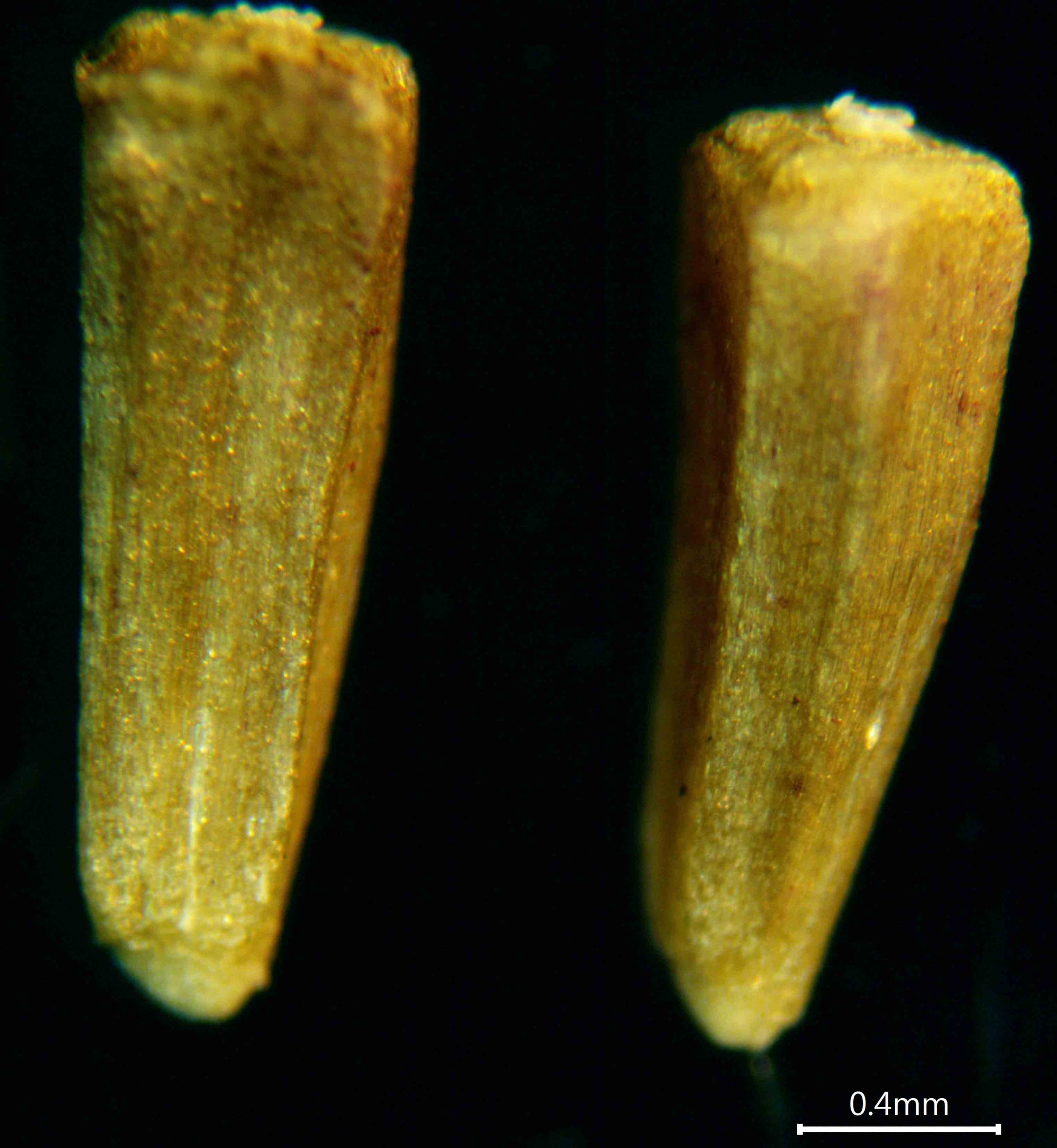
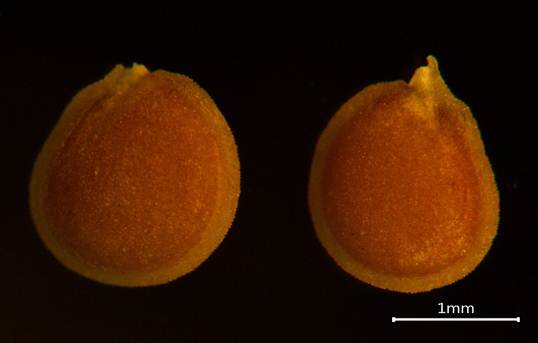
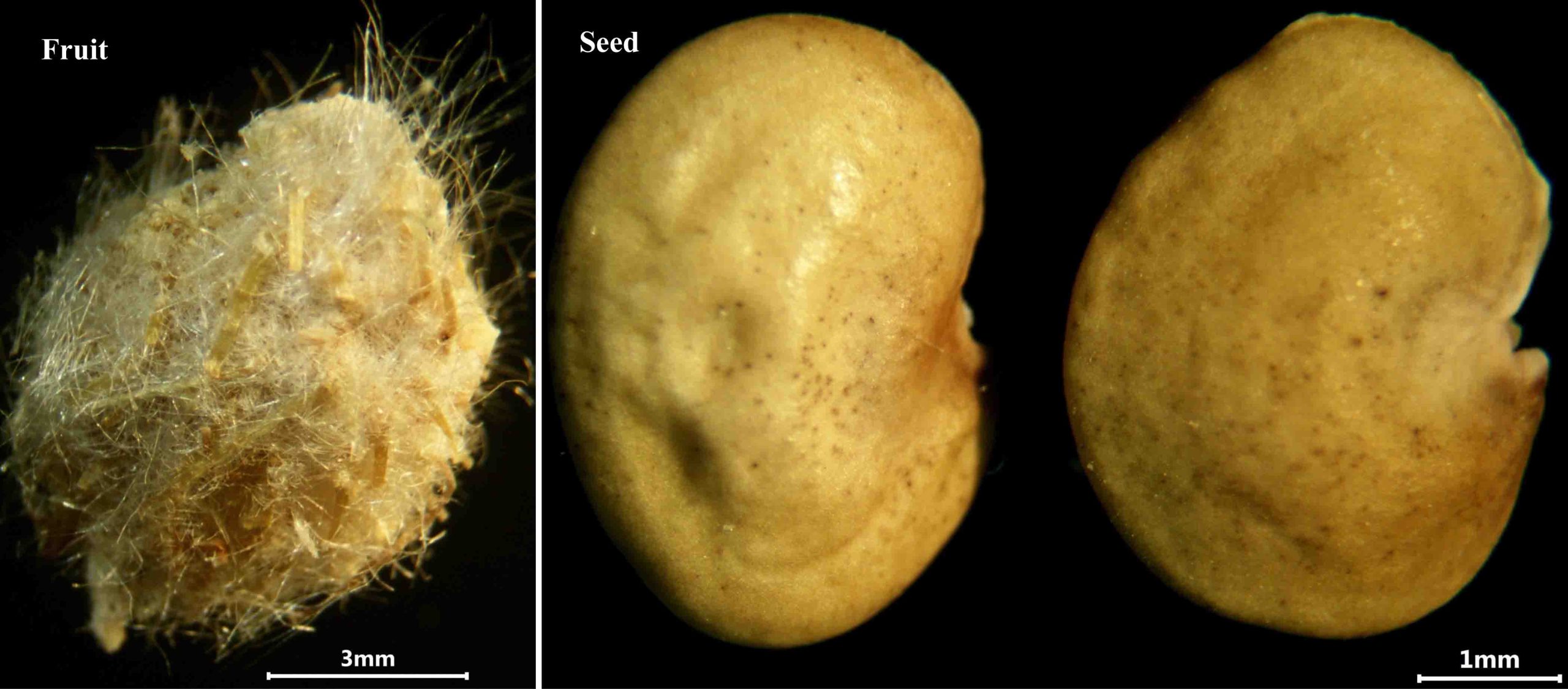
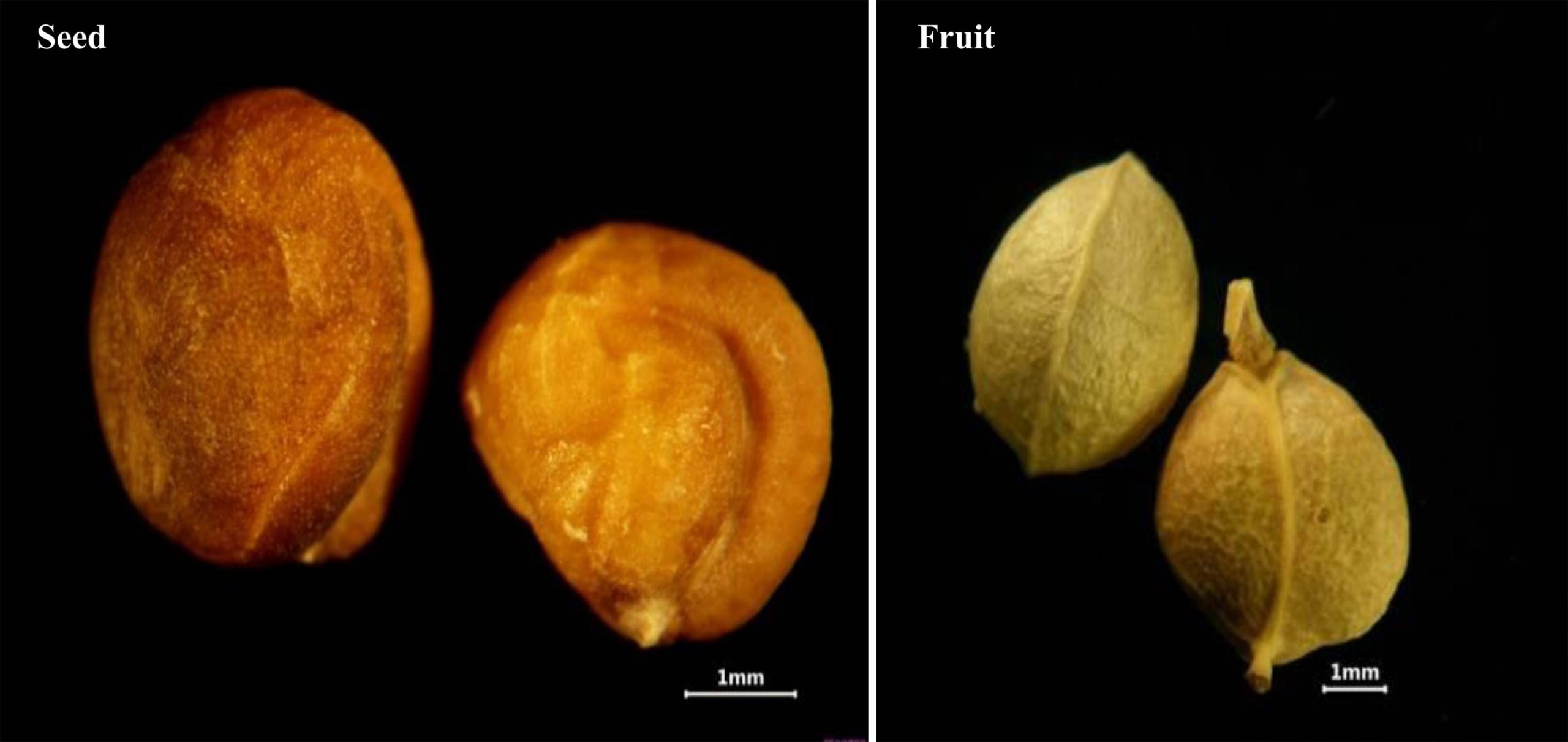
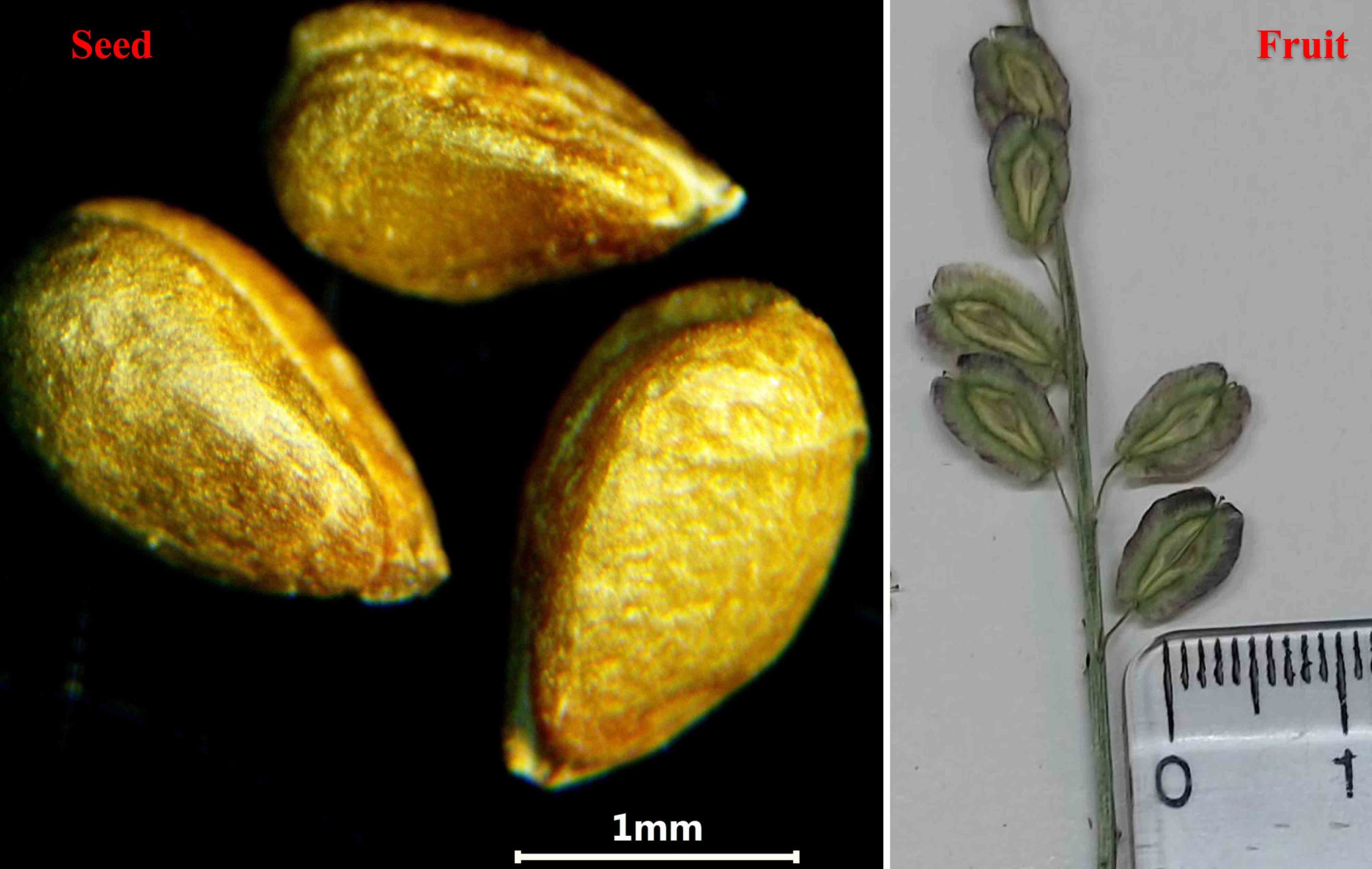
Fruit shape: Nut
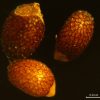
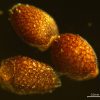
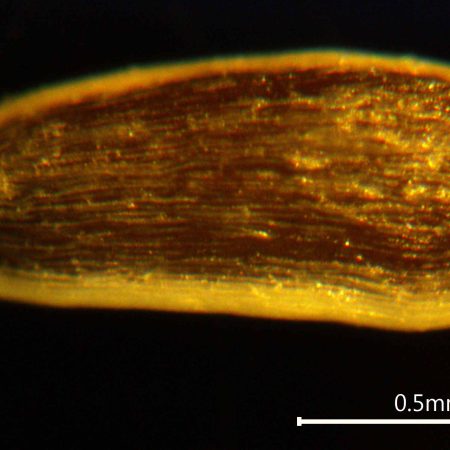
Fruit shape: Nutlets slightly prolonged elliptic, ventral side indistinctly angular, apex round to slightly narrow, base narrow to acuminate with round hilum. Surface glabrous, with honeycomb patterns, slightly lustrous, dark- to blackish-brown.
Seed size: Length 0.66 to 0.71 mm, width 0.51 to 0.58 mm in accession with 1000 seeds weight 0.03 g, which was collected in 2005, and the cultivated sample was identified by Ziba Jamehzad with accession number 5551.
1000 seed weight: 0.03 g
Biological features
Life form: A perennial herb, 40 cm height, with abundant erect, branched stems, covered with long white, cottony hairs; and rhizomatous
Inflorescences, flower type, and pollination mechanisms: Inflorescence verticillaster (spike-like). Flowers hermaphrodite, zygomorphic, pale purple to violet. Plant monoecious, cross-pollinate. Pollination is carried out by insects (entomophily).
Time of flowering: Late spring to summer
Time of seed ripening: Summer
Seed dispersal methods: The seeds are displaced by weight.
Geographical distribution: Europe, Iran, Central Asia, and West Siberia. Typus from Europe
Distribution in Iran: North. Mostly found near the streams, ditches, meadows, abandoned fields, and different regions with high soil moisture especially in the North in the province of Mazandaran
Taxonomy
Family: Lamiaceae
Genus: Mentha
Species: rotundifolia
Common name: Apple mint
References and Links
Bojňanský, V. and Fargašová, A. 2007. Atlas of seeds and fruits of central and East-European flora: the Carpathian Mountains region. Springer, Dordrecht, the Netherlands, 1046 pp.
Abd El Maksoud, Hanan S. and Safwat Azer, A. 2013. Taxonomical and Comparative Studies on Some Wild and Cultivated Species of Genus Mentha in Egypt Journal of Applied Sciences Research 9(10): 6567-6573.
Jamzad, Z. 1391. Flora of Iran, No. 76: Lamiaceae. Agricultural Research, Education and Promotion Organization, Research Institute for Forests and Rangelands of Iran, Tehran, 1066 p.
Ghahraman, A. Flore of Iran. Research Institute of Forests and Rangelands with University of Tehran publication. https://floraofiran.net/index.php.
Lawrence, B. M. 2006. Mint: the genus Mentha (Medicinal and Aromatic Plants – Industrial Profiles). Taylor & Francis Group publisher. 598 p.
Morton, J.F. 1997. Major medicinal plants, botany, culture, and uses. Charles C. Thomas Publisher, Bannerstone House.
Mozaffarian, V. 2012. A Pictorial Dictionary of Botany. Farhange Moaser publisher, 1088 pp.
Mozaffarian, V.A. 1998. Dictionary of Iranian Plants Names. Moaser Publisher, Tehran Farhang, 671 pp.
Rechinger, K.H. 1982. Flora Iranica. vol.152: Akademische druck and Varagsanstalt. Graz. 542-543.
Sharma, O.P. 2009. Plant taxonomy 2E. Tata McGraw-Hill Education, New Delhi, 563 pp.