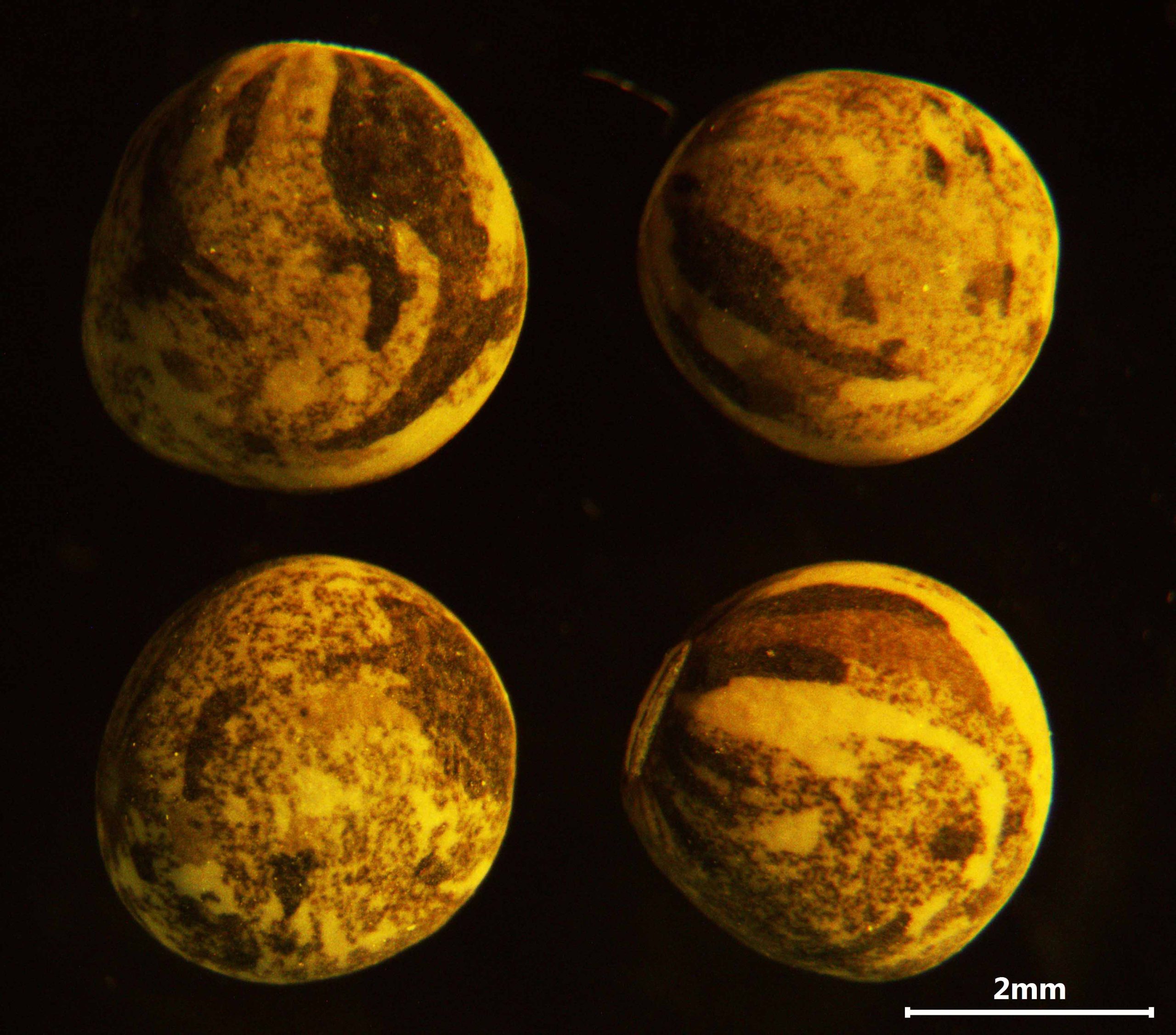

 Author: navidcod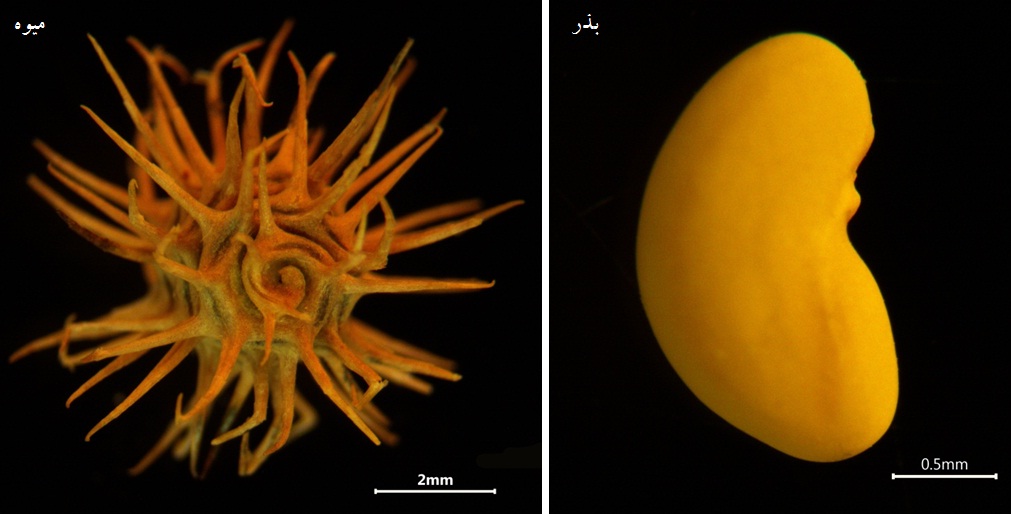
Medicago laciniata
Masoumeh Izadpanah, Parvin Salehi Shanjani and Leila Falah Hoseini
Natural Resources Gene Bank, Research Institute of Forests and Rangelands, Agricultural Research, Education and Extension Organization, Tehran, Iran.
Uploaded at August 2021
Scientific editor: Valiullah Mozaffarian
Seed Storage
The storage behavior of this species is orthodox (desiccation-tolerant seeds); dry to 15-20% eRH and store at -20 °C.
Germination requirements
The seeds of this species are not dormant. Sterilize seeds before placing them on wet germination paper. Place seeds for two weeks in 4 ºC to germinate uniformly. Then germinate under an alternating temperature regime of 15/20 ºC (the higher temperature for 16 hours in light and the lower one for eight hours in dark).
Morphology
Fruit type: Pod
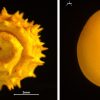
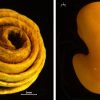
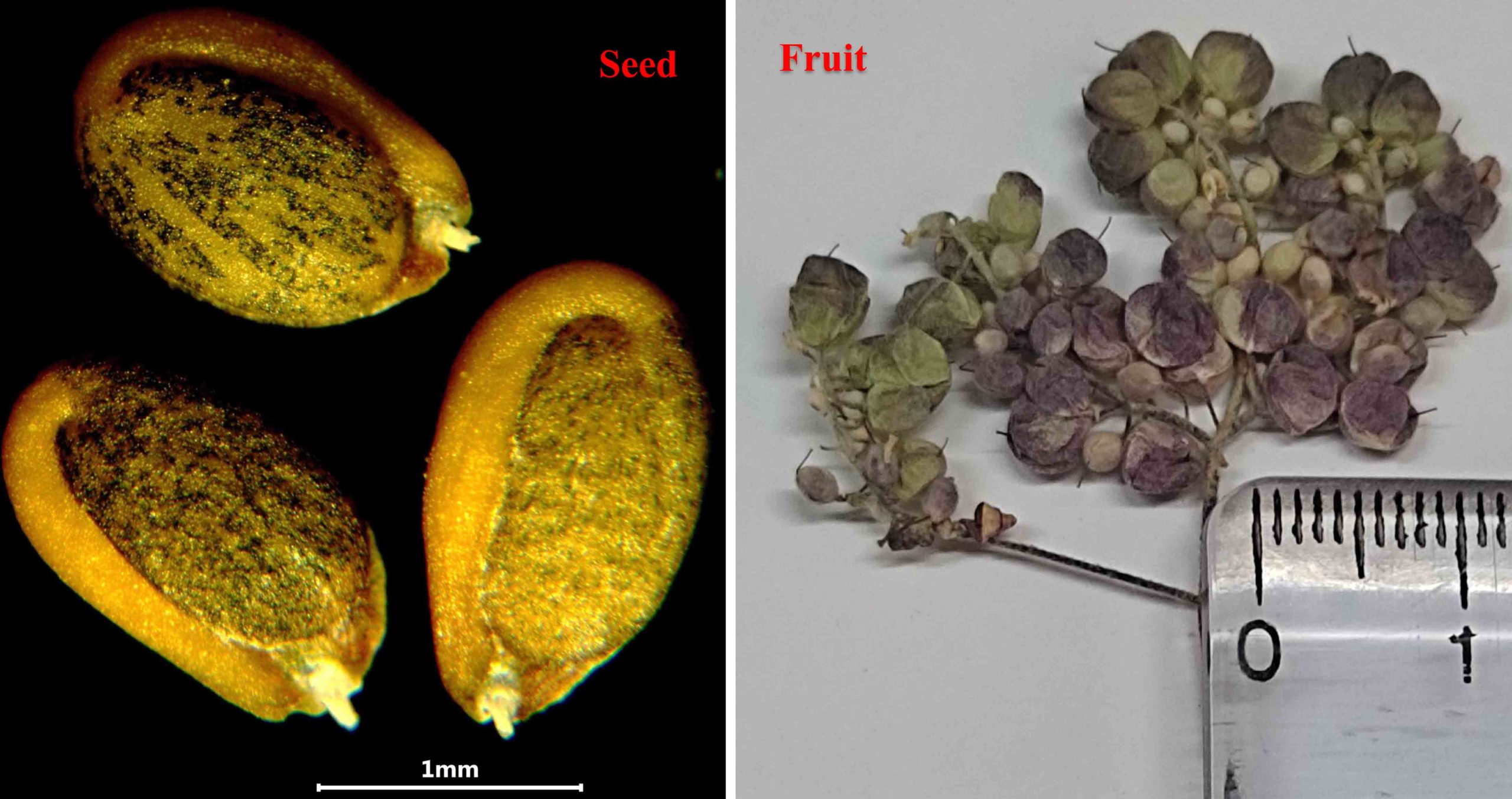
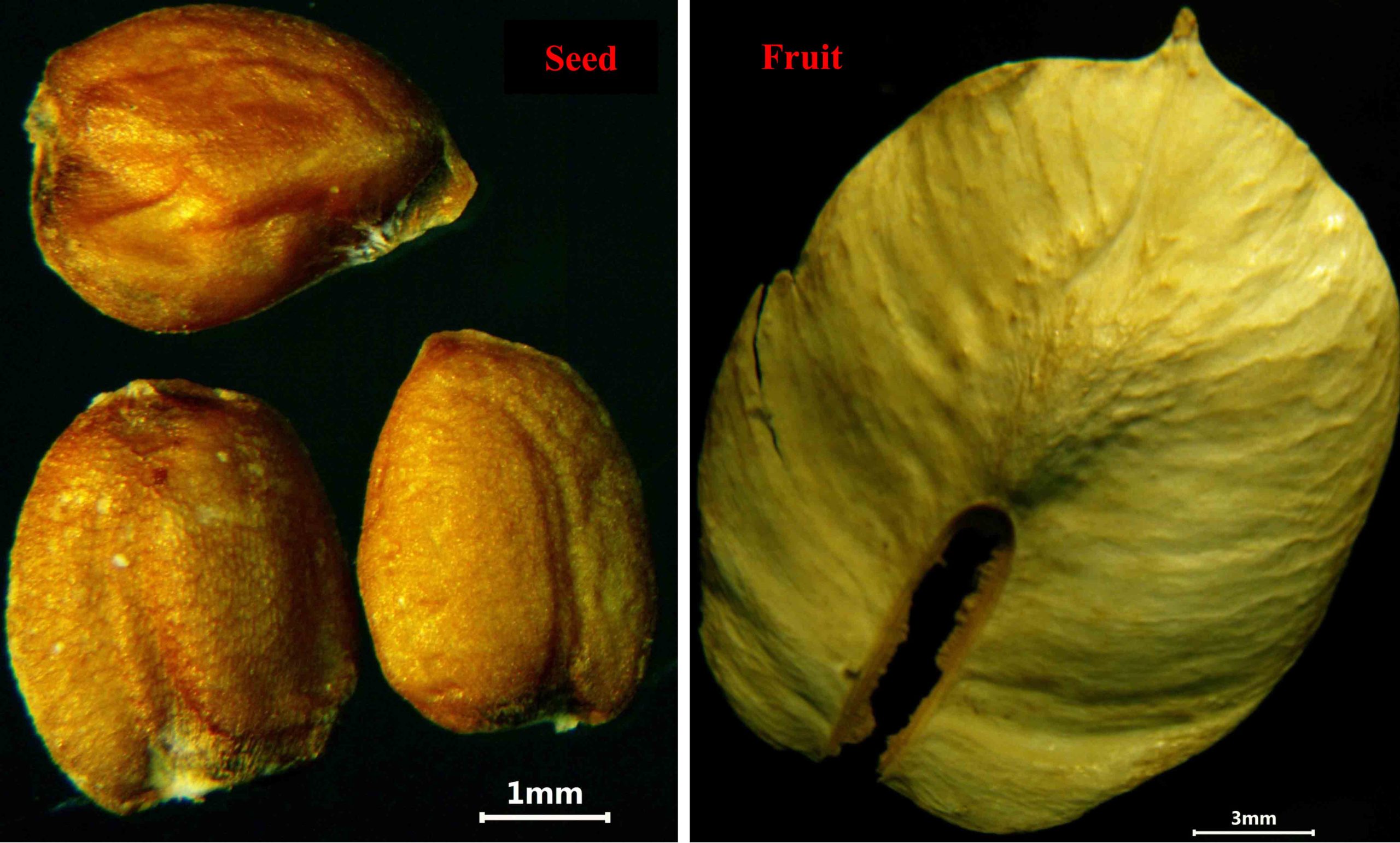
Fruit shape: Yellow-brown to greyish, spherical, ovoid, cylindrical or cone-shaped, spiny; number of coils 3-7, turning clockwise; on coil surface 8-16 S-shaped veins running into a protruding lateral vein; lateral veins adjoining the elevated dorsal suture as shoulders at right angles; spines 8-16 in a row, 1-4 mm long, grooved in their basal part, inserted at 90 -180° to the coil surface, often ending with a hook.
Fruit size: Diameter: 3-4 mm, thickness: (2- ) 2.5-3.5 mm
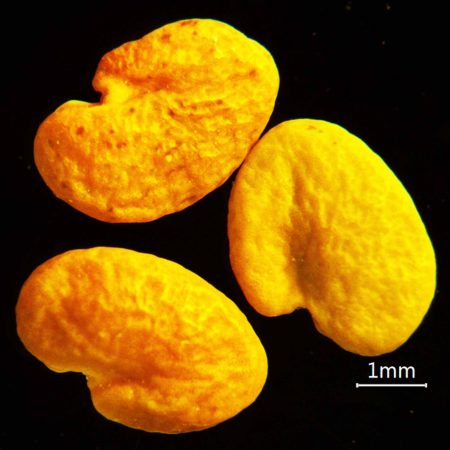
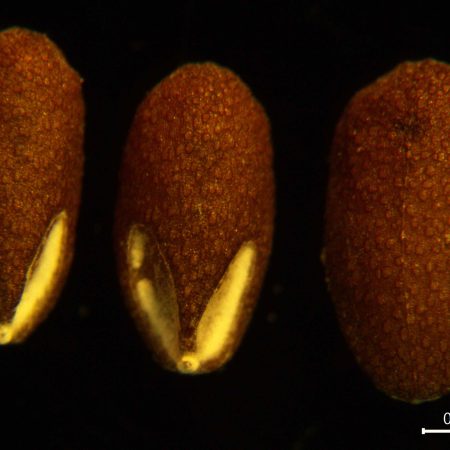
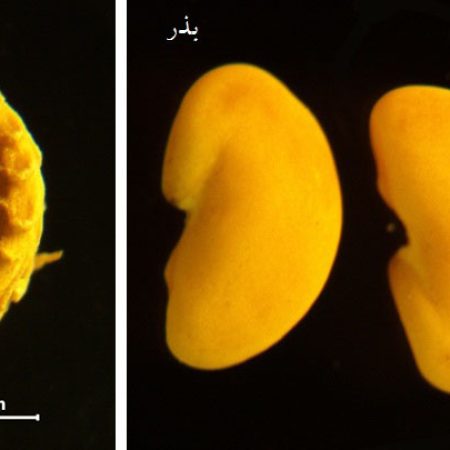
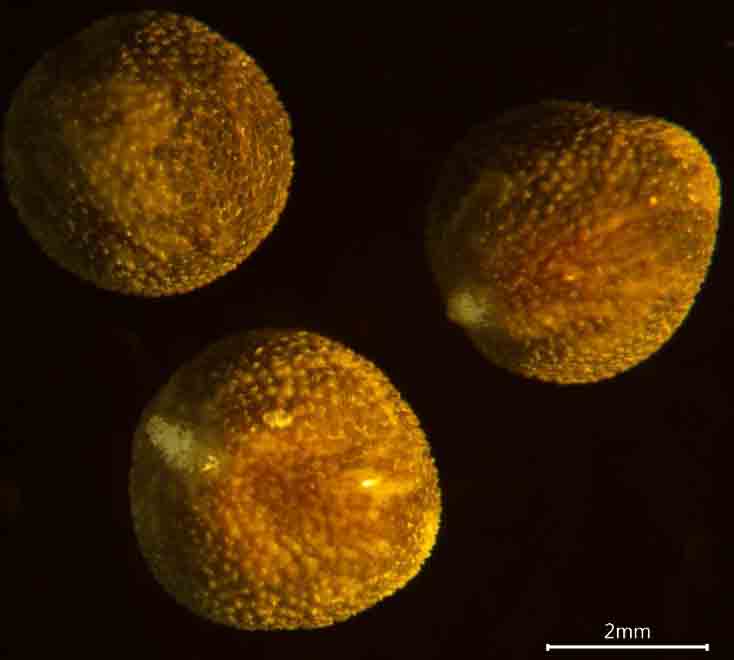
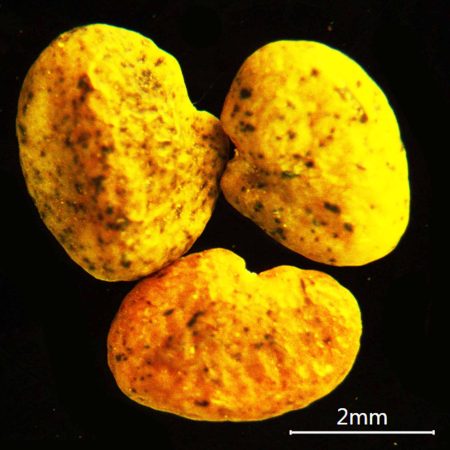
Seed type: Kidney-shaped but often flattened along edge adjacent to radicle, 1- 2 seeds in each coil, not separated; seed coat yellow to yellow-brown, at the tip of the radicle and around the chalaza, a darker color than on the rest of the seed coat; radicle up to 2/3 of the seed length.
Seed size: Length: 2.5-3 mm, maximum width: 1.2-1.5 mm in an accession from Eyvan, Ilam with 1000 seed weight 1.3 g, which was collected in 2014 by Mashaalah Mohamadpour, and the cultivated sample was identified by Masumeh Izadpanah and Iraj Mehregan with accession number 41010.
1000 seed weight: 1.2-2.5 g
Biological features
Life form: Herbaceous, annual, decumbent to ascending
Inflorescences and flower type and pollination mechanisms: Flowers in axillary pedunculate racemes, hermaphrodite, zygomorphic and asymmetric; corolla (composed of banner: upper large petal, wings: two petals adjacent to the banner, and keel: two bottom petals) yellow, wings shorter than the keel; stamens are always ten in number, and their filaments are fused in a group of nine stamens plus one separate stamen (9+1). Plant monoecious, self-pollinate with 10% cross-pollination, which is carried out by insects.
Time of flowering: April to July (rarely September or November and December)
Time of seed ripening: March to July (rarely September and November)
Seed dispersal methods: The seeds are displaced by weight. Pods move by attaching to the wool and hair of animals.
Geographical distribution: Iran, Afghanistan, Pakistan. Typus according to Flora Iranica: Illustratio BREYNE. 34 (1678); lectotypus, cof. C .CHEYN (1959)
Distribution in Iran: West, South. Kohgiluyeh and Boyerahmad, Ilam, Kerman, Tehran, Fars, Hormozgan and Khuzestan
Taxonomy
Family: Papilionaceae
Genus: Medicago
Species: laciniata
Common name: Cut leaf medic
References and Links
Ghahraman, A. Flore of Iran. Research Institute of Forests and Rangelands with University of Tehran Publication. https://floraofiran.net/index.php.
Lesins, K.A. and Lesins, I. 1979. Genus Medicago (Leguminosae): a taxogenetic study. The Hague, Boston, London: Dr W. Junk Publisher, 234 pp.
Small, E. and Brookes, B. 1990. Circumscription of the genus Medicago (Leguminosae) by seed characters. Can. J. Bot. 68: 613-629.
Small, E. and Jomphe, M. 1988. A synopsis of the genus Medicago (Leguminosae). Canadian Journal of Botany, 67: 3260-3294.
Mehregan, I., Rahiminejad, M.R. and Azizian, D. 2002. A taxonomic revision of the genus Medicago L. (Papilionaceae) in Iran. Iranian Journal of Botany, 9: 207-221(In Persian).
Mozaffarian, V. 2012. A Pictorial Dictionary of Botany. Farhange Moaser Publisher, 1088 pp.
Rechinger, K.H. 1984. Flora Iranica 157. Akadmische Druch. U. Verlagsanstalt. Graz.