
 Author: آمنه غلامی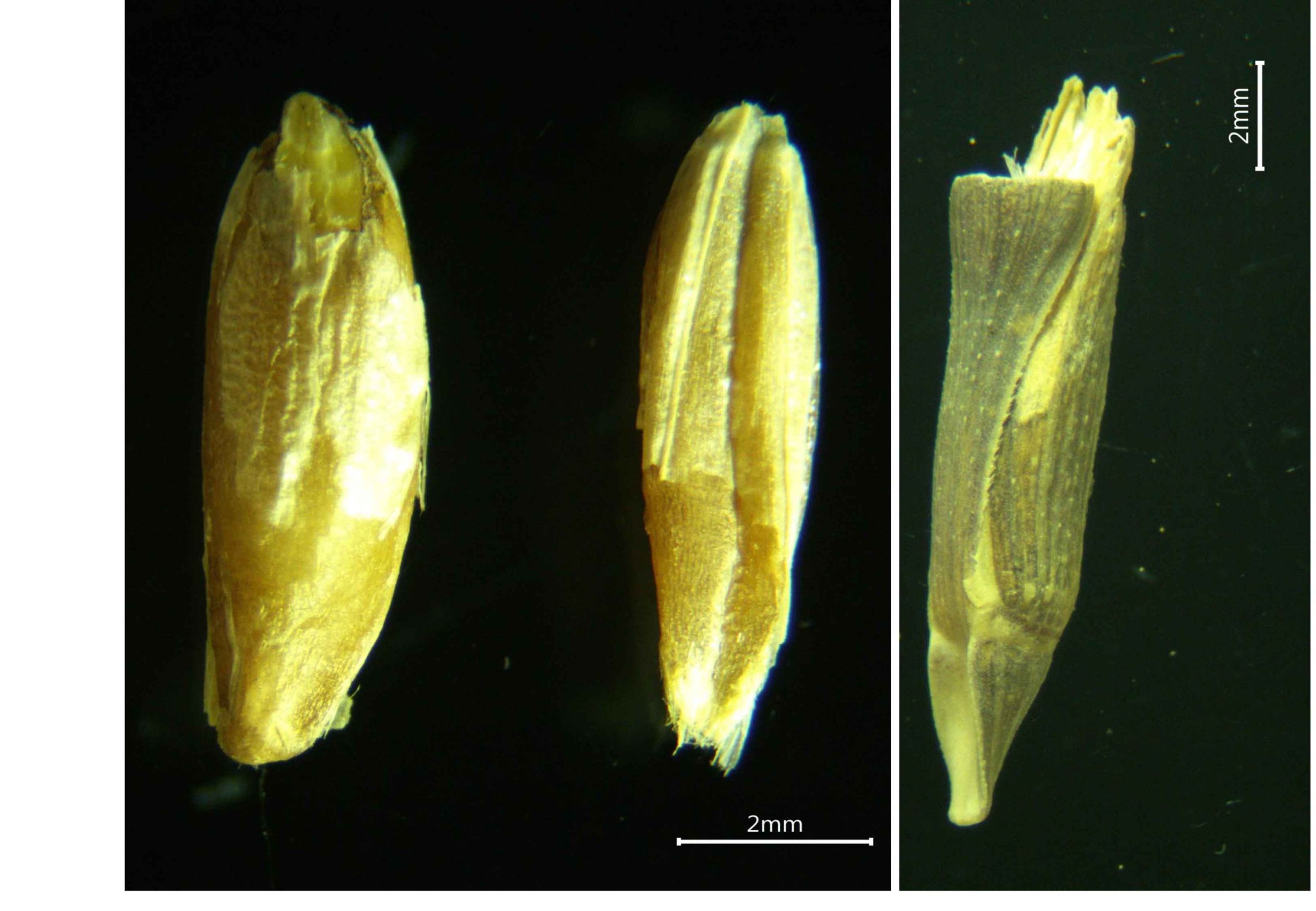
Aegilops cylindrica Host
Parvin Salehi Shanjani, Leila Rasoulzadeh, Hamideh Javadi,
Mohammad Amini Rad and Seyed Esmael Seyedian
Natural Resources Gene Bank, Research Institute of Forests and Rangelands, Agricultural Research, Education and Extension Organization, Tehran, Iran.
Uploaded at September 2022
Scientific editor: Masoumeh Izadpanah
Seed Storage
Storage behavior of this species is orthodox (desiccation-tolerant seeds); dry to 15-20% eRH and store at -20°C.
Germination requirements
Seeds do not have physiological and physical dormancy and are easily able to germinate. Sterilize and germinate seeds under a constant temperature regime of 20 ºC and 16/8 hr. light/dark photoperiod.
Morphology
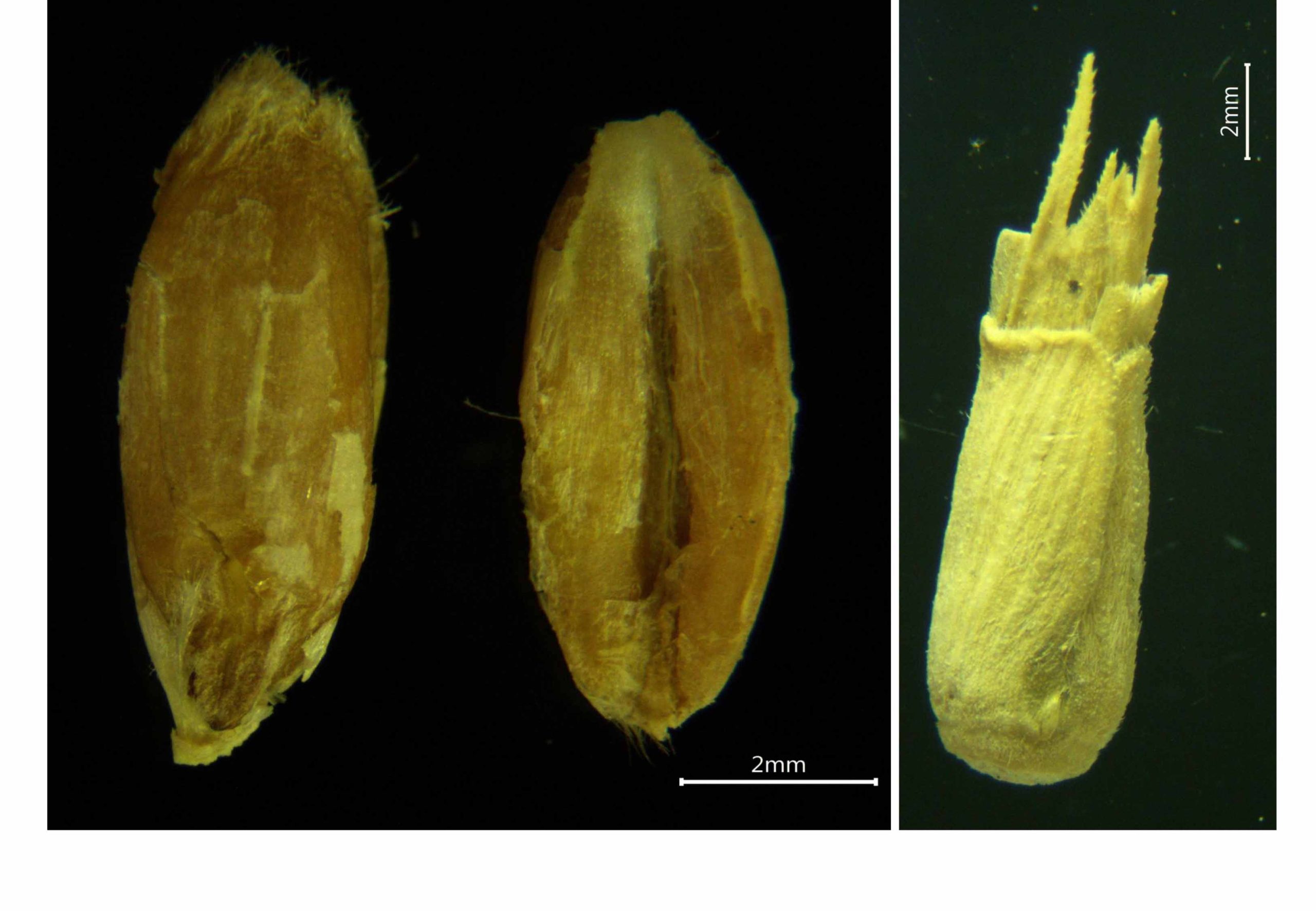
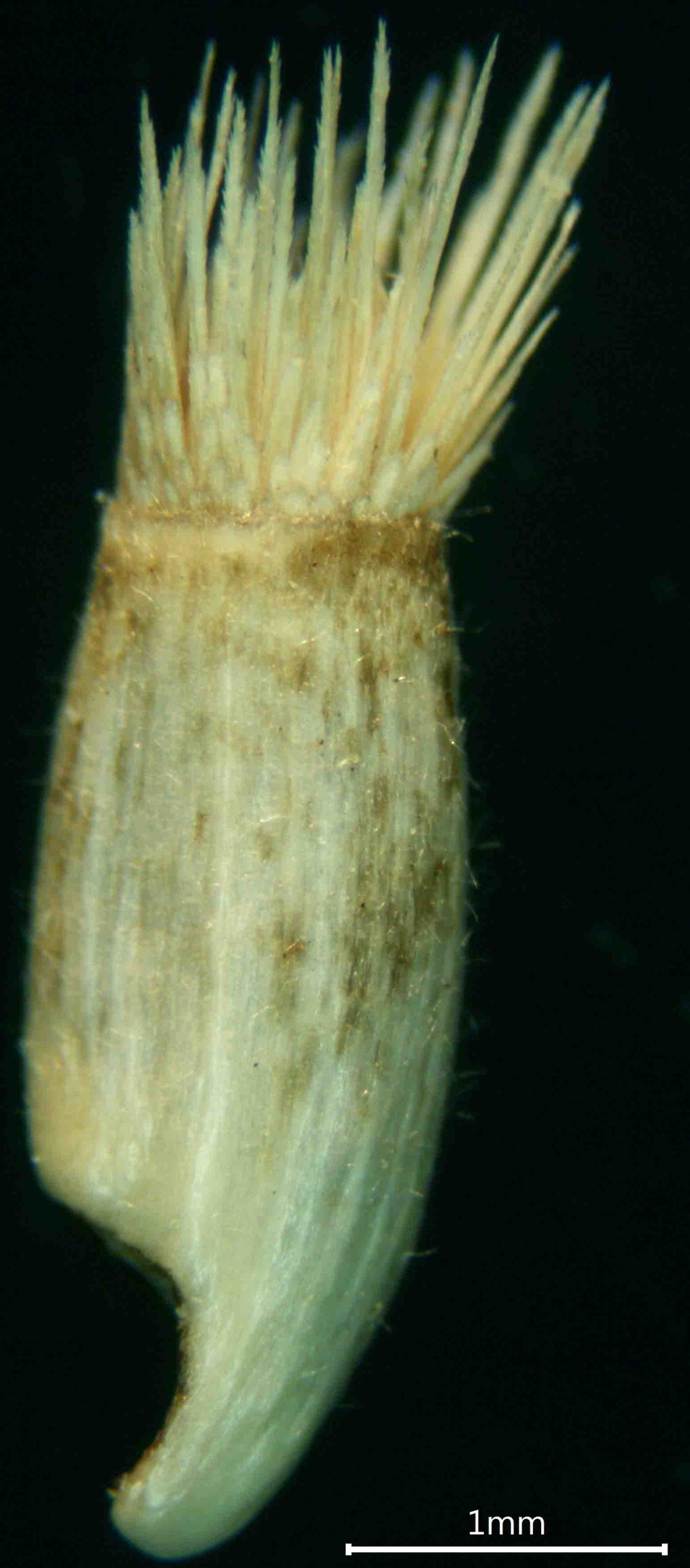
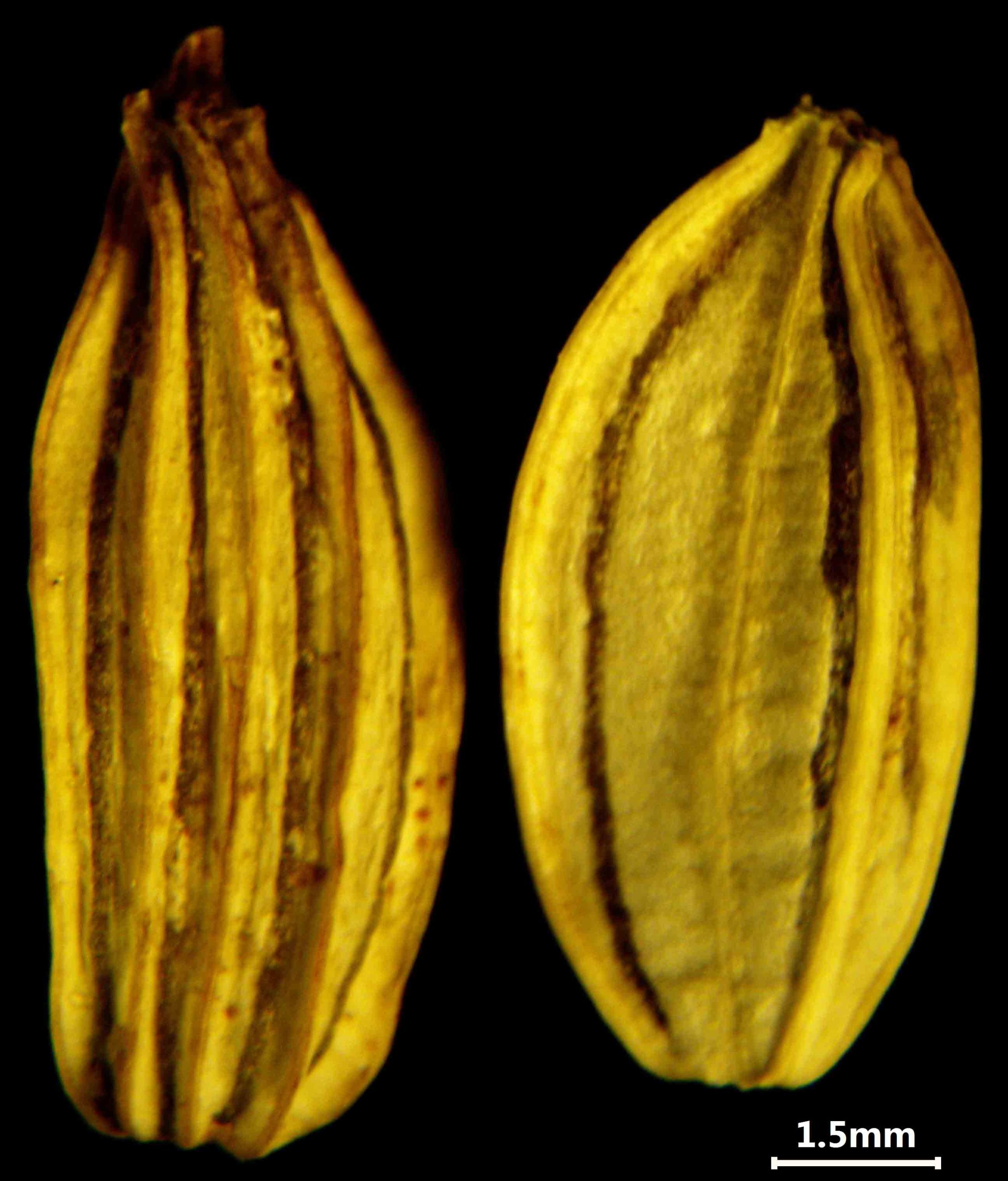
Fruit/seed type: Caryopsis, adhering to the lemmas and paleas.
Fruit/seed shape: Lanceolate-cylindrical, planoconvex, ventral side longitudinally furrowed, apex slightly hairy. Surface longitudinally striate, slightly lustrous, pale brown.
Fruit/seed size: Length 7.2 to 7.7 mm, width 1.9 to 2.4 mm in an accession from Qom, with 1000 seeds (caryopsis with lemmas and paleas) weight 42.7 g, which was collected in 2005 and the cultivated sample was identified by Mohamad Aminirad with an accession number of 22696.
1000 Fruit/ seed (caryopsis with lemmas and paleas) weight: 15 to 39.5 g
Biological features
Life form: Annual, culms 14-50 cm, erect to decumbent at the base, usually forming many tillers.
Inflorescences, flower type, and pollination mechanisms: Inflorescences terminal spikes, Spikes 2.2-12 cm long, about 0.3 cm wide, narrowly cylindrical, 10-45 times longer than wide, with (2)3-8(12) fertile spikelets; rudimentary spikelets absent or 1-2; disarticulation initially at the base of the spikes and secondarily in the rachises, the spikelets remaining attached to the internodes above. Fertile spikelets 9-12 mm, narrowly cylindrical, scabrous or pubescent, with 3-5 florets, the lower (1)2-3 florets fertile. Glumes of fertile spikelets awned, awns of the lower spikelets 2-5 mm; glumes of apical spikelets 7-9 mm, scabrid, awned, awns 3-6 cm, usually flanked by 2 lateral teeth; lemmas of lower fertile spikelets 9-10 mm, adaxial surfaces velutinous distally, apices mucronate or awned, awns 0.1-0.5 cm; lemmas of apical spikelets 1-awned, awns (2)4-8 cm, flanked by 2 teeth. Flower hermaphrodite, plant monoecious, cross-pollinated. Pollination is carried out by the wind.
Time of flowering: May-June (-July)
Time of seed ripening: Late spring to summer
Seed dispersal methods: By weight or livestock
Geographical distribution: Endemic of Middle East (Afghanistan, Iran, Iraq, Palestine, Jordan, Lebanon, Pakistan, Syrian Arab Republic, and Turkey), Asia (Armenia, Azerbaijan, Georgia, Kazakhstan, Kyrgyzstan, Russian Federation, Turkmenistan, Ukraine, and Uzbekistan), Europe (Bulgaria, Croatia, Greece, Hungary, Macedonia, and Yugoslavia), and Africa (Algeria)
Distribution in Iran: Northeast, Center, and West, mostly in provinces of North Khorasan, Kurdistan, Lorestan, Qom, and Hamedan
Taxonomy
Family: Poaceae
Genus: Aegilops
Species: A. cylindrica
Persian name: Gandomniaye ostevanehee
Commun name: Jointed goat grass
References and Links
Saufferer, S. M. 1993. Aegilops. In: Flora of North America Editorial Committee, eds. Flora of North America North of Mexico [Online]. New York and Oxford. Vol. 24. http://beta.floranorthamerica.org. Accessed 2021.
Terrell, E. and Peterson, P. 1993. Caryopsis Morphology and Classification in the Triticeae (Pooideae: Poaceae). Smithsonian Contributions to Botany. 83. 10.5479/si.0081024X.83.
Cabi, E. 2010. Taxonomic Revision of the Tribe Triticeae Dumortier (Poaceae) in Turkey.Ph.D. – Doctoral Program, Middle East Technical University.
Bojňanský, V. and Fargašová, A. 2007. Atlas of seeds and fruits of central and East-European flora: the Carpathian Mountains region. Springer, Dordrecht, The Netherlands, 1046 pp.
Ghahraman, A. Flore of Iran. Research Institute of Forests and Rangelands with University of Tehran Publication. https://floraofiran.net/index.php.
Mozaffarian, V. 2012. A Pictorial Dictionary of Botany. Farhang Moaser publisher, 1088 pp.
Mozaffarian, V.A. 1998. Dictionary of Iranian Plants Names. Moaser Publisher, Tehran Farhang, 671 pp.
Sharma, O.P. 2009. Plant taxonomy 2E. Tata McGraw-Hill Education, New Delhi, 563 pp.