
 Author: آمنه غلامی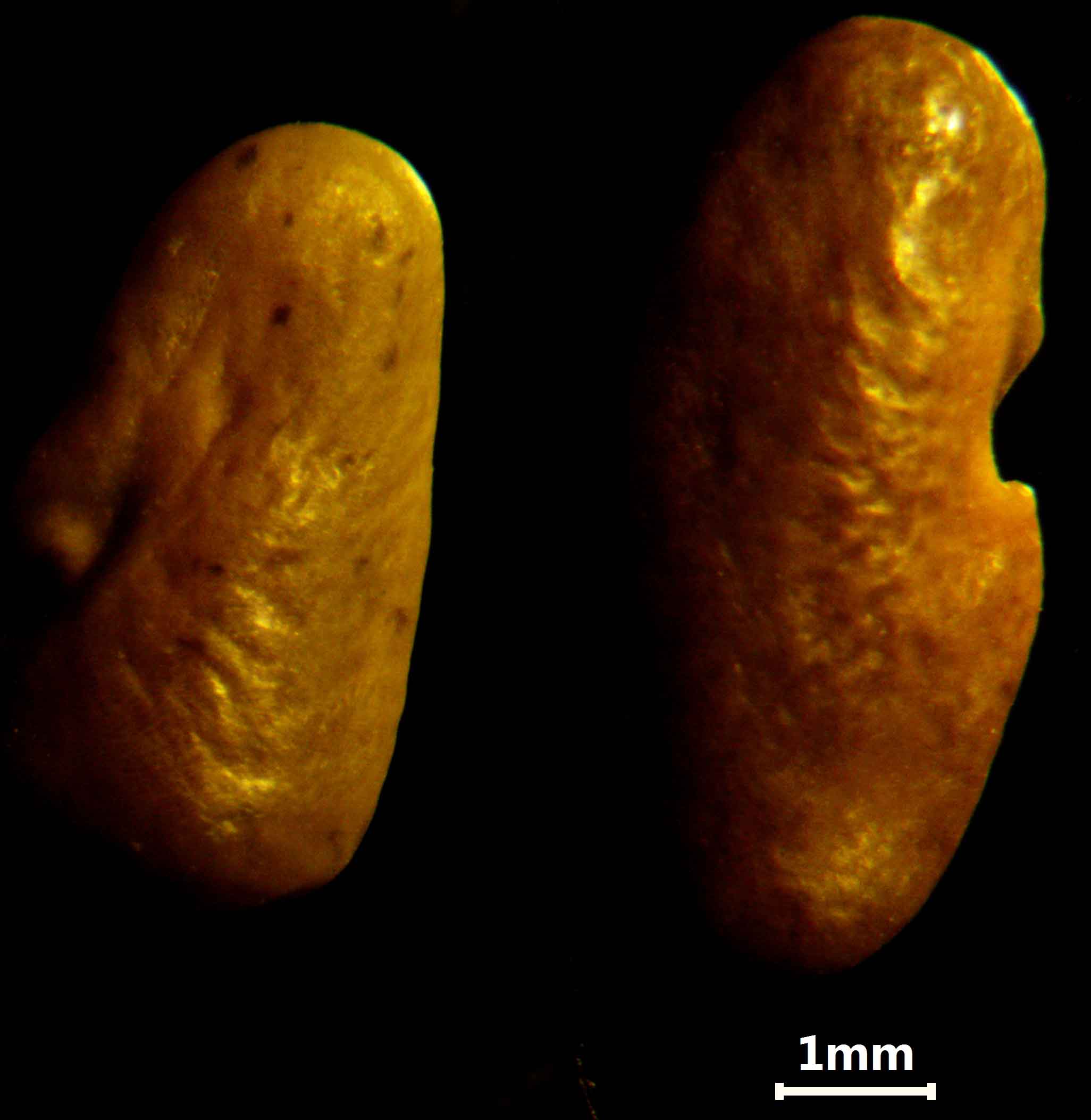
Astragalus basilicus Maassoumi& Podlech
Parvin Salehi Shanjani, Hamideh Javadi, Masoumeh Ramezani Yeganeh and Farzaneh Azimi
Natural Resources Gene Bank, Research Institute of Forests and Rangelands, Agricultural Research, Education and Extension Organization, Tehran, Iran.
Uploaded at December 2024
Scientific editor: Mohammad Dadmand
Seed Storage
Storage behavior of this species is orthodox; dry to 15-20% eRH and store at -20°C.
Germination requirements
The seeds have dormancy and this dormant related to seed coat (external dormancy) and inhibition materials in the seeds (physiology dormancy).To remove of seed coat (Scarification) can be used different methods (Sandpaper, Sulfuric Acid, Hot water, etc.). To remove physical dormancy (Stratification), Pre-Chilling (for 14 days), Ultrasonic Waves and Hormones (Gibberellic acid 100ppm) are affect. The best methods for remove seed coat and physical dormancy are sandpaper and pre-chilling (14 days at 4°C) respectively. Then germinate under a constant temperature of 25ºC or with an alternating temperature regime of 15/20ºC (with an 8/16hr photoperiod).
Morphology
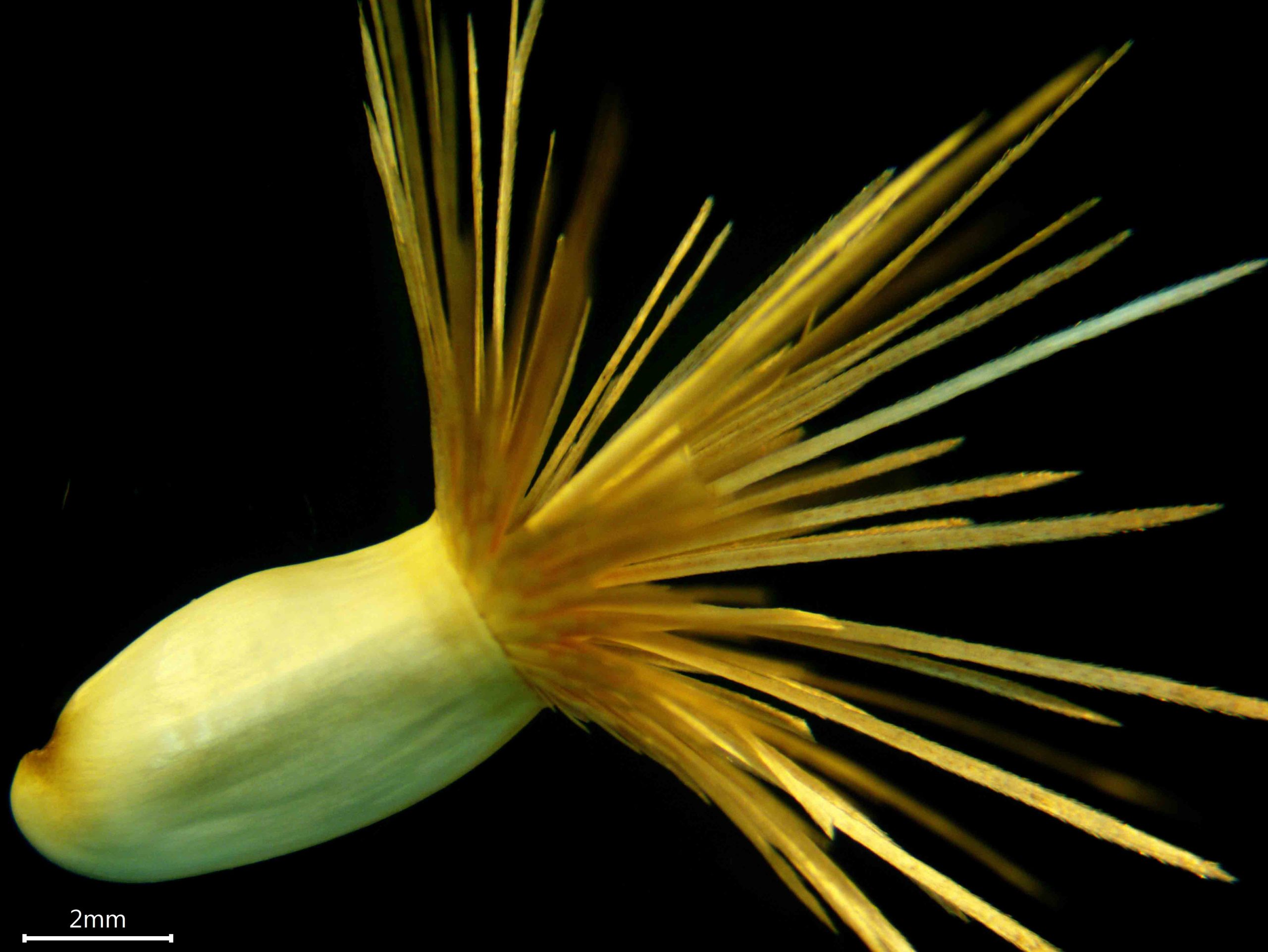
Fruit type: Pod
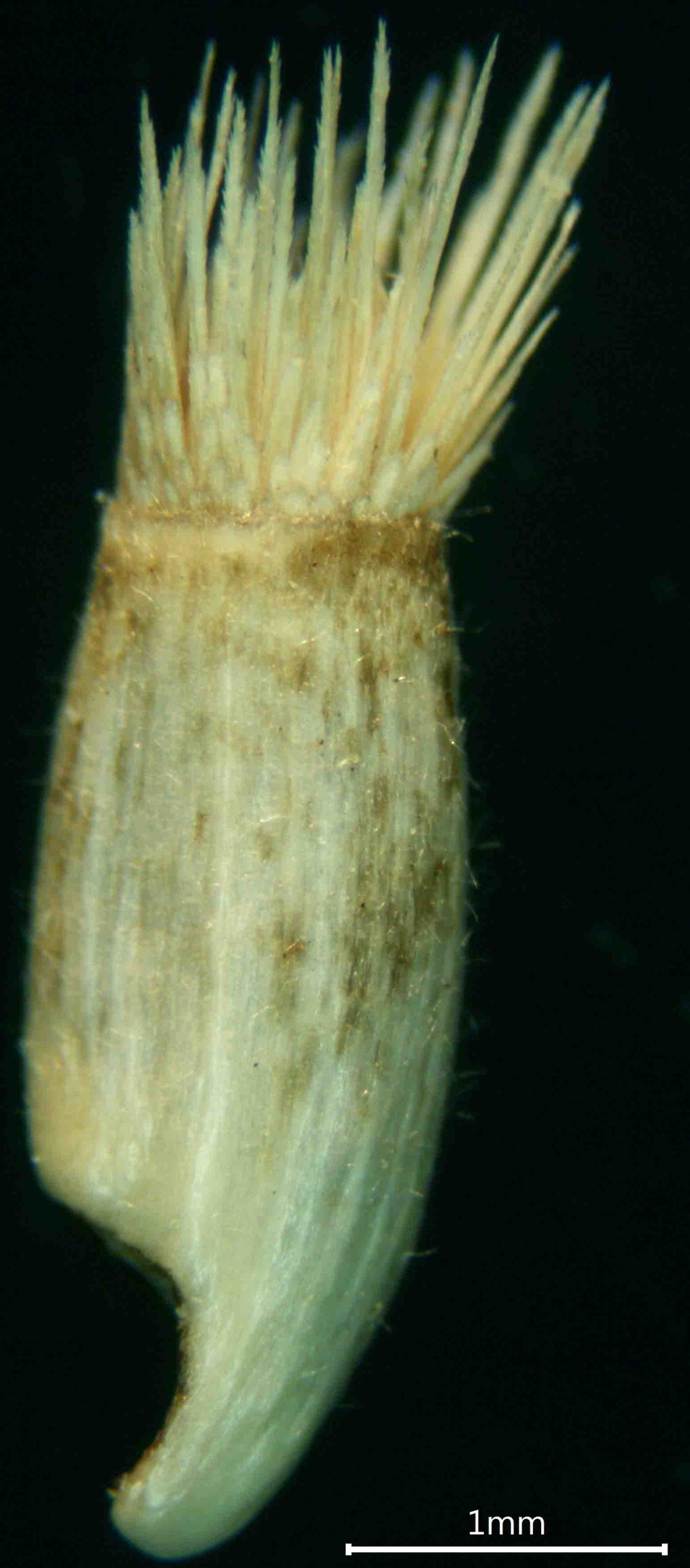
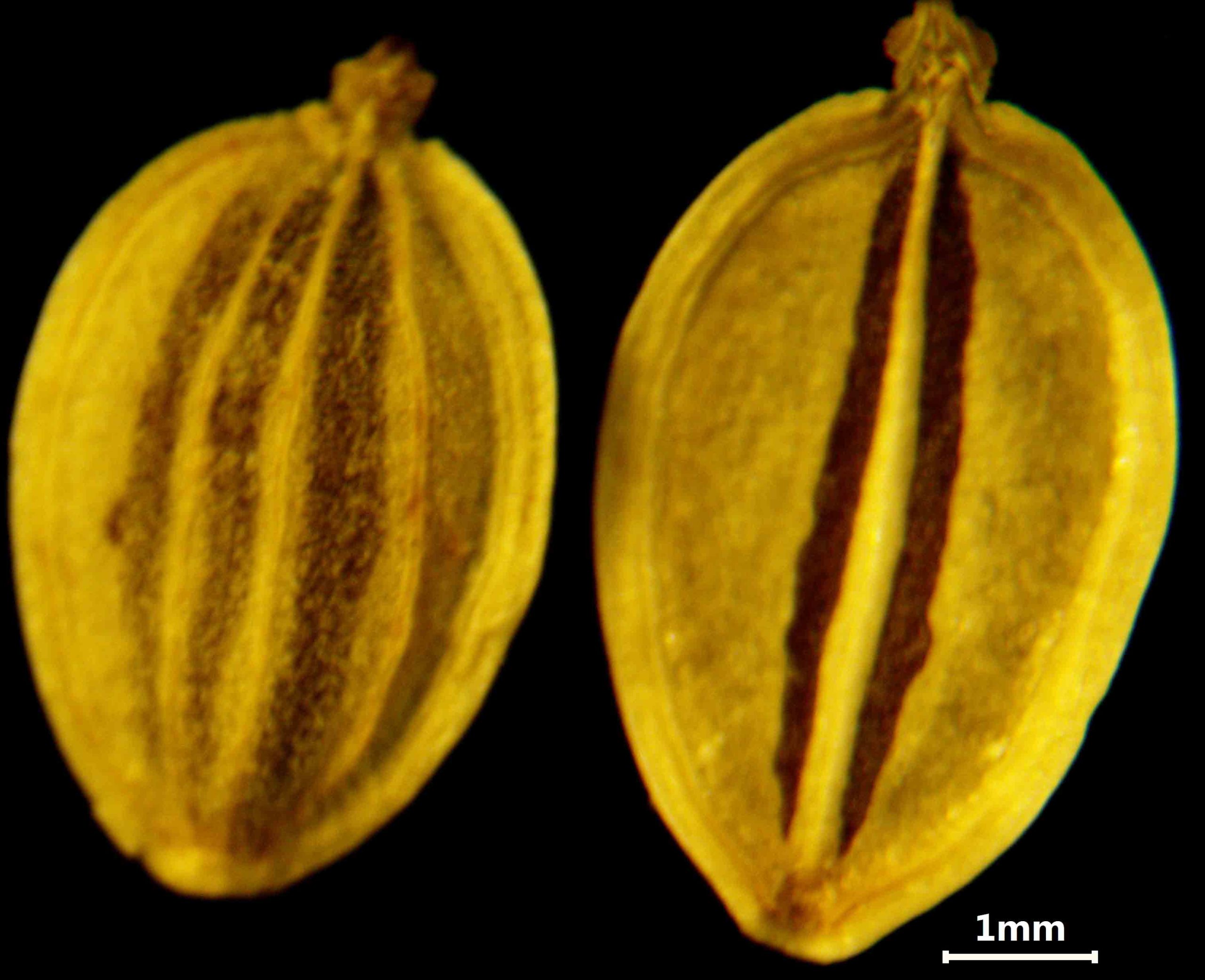
Fruit shape: Bilocular, ventral side boat-like, dorsal side ribed, stalkless, apex beaked
Fruit size: Length 20 to 25 mm, width 8 to 9 mm, beak length 4 to 5 mm
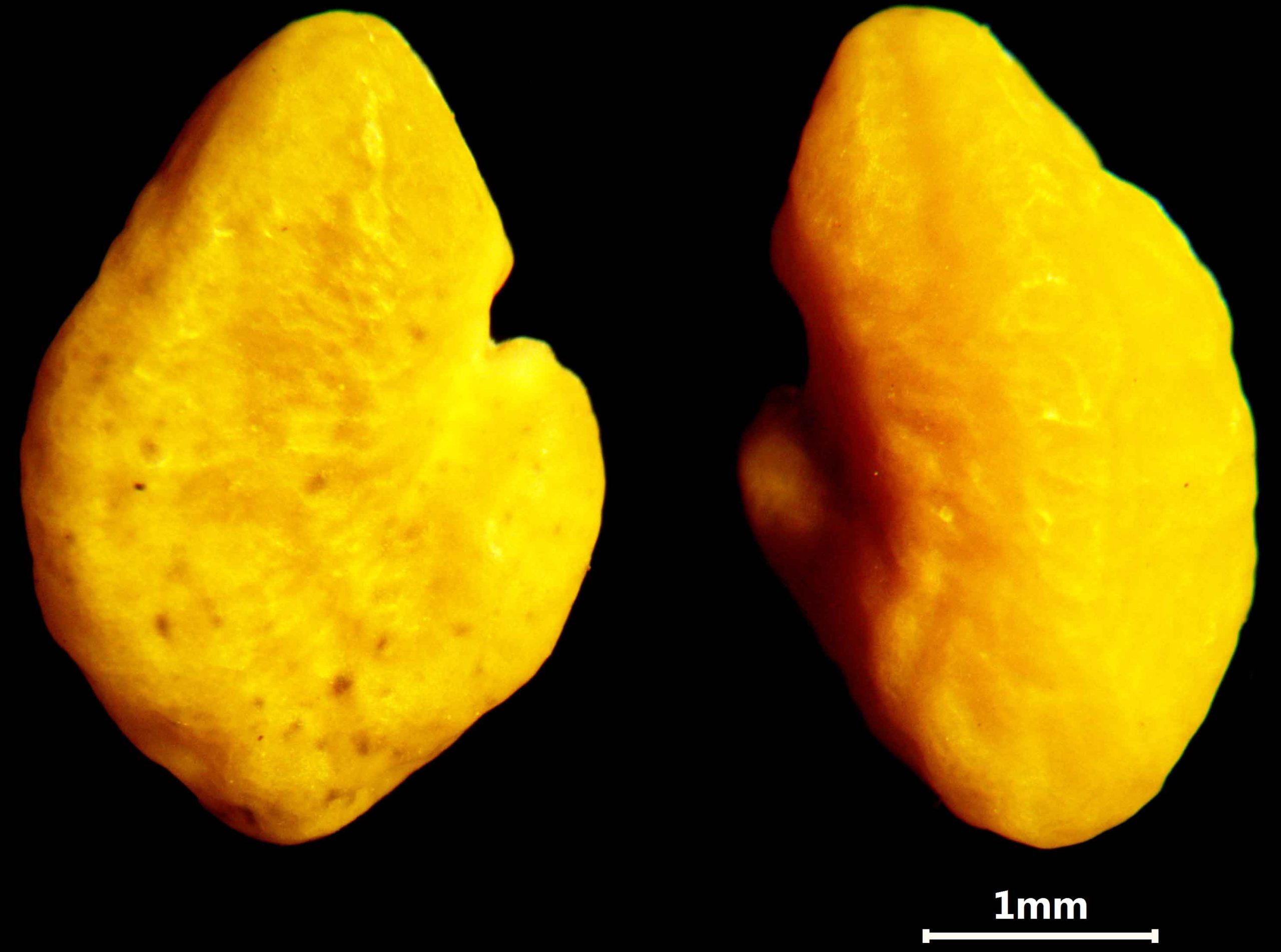
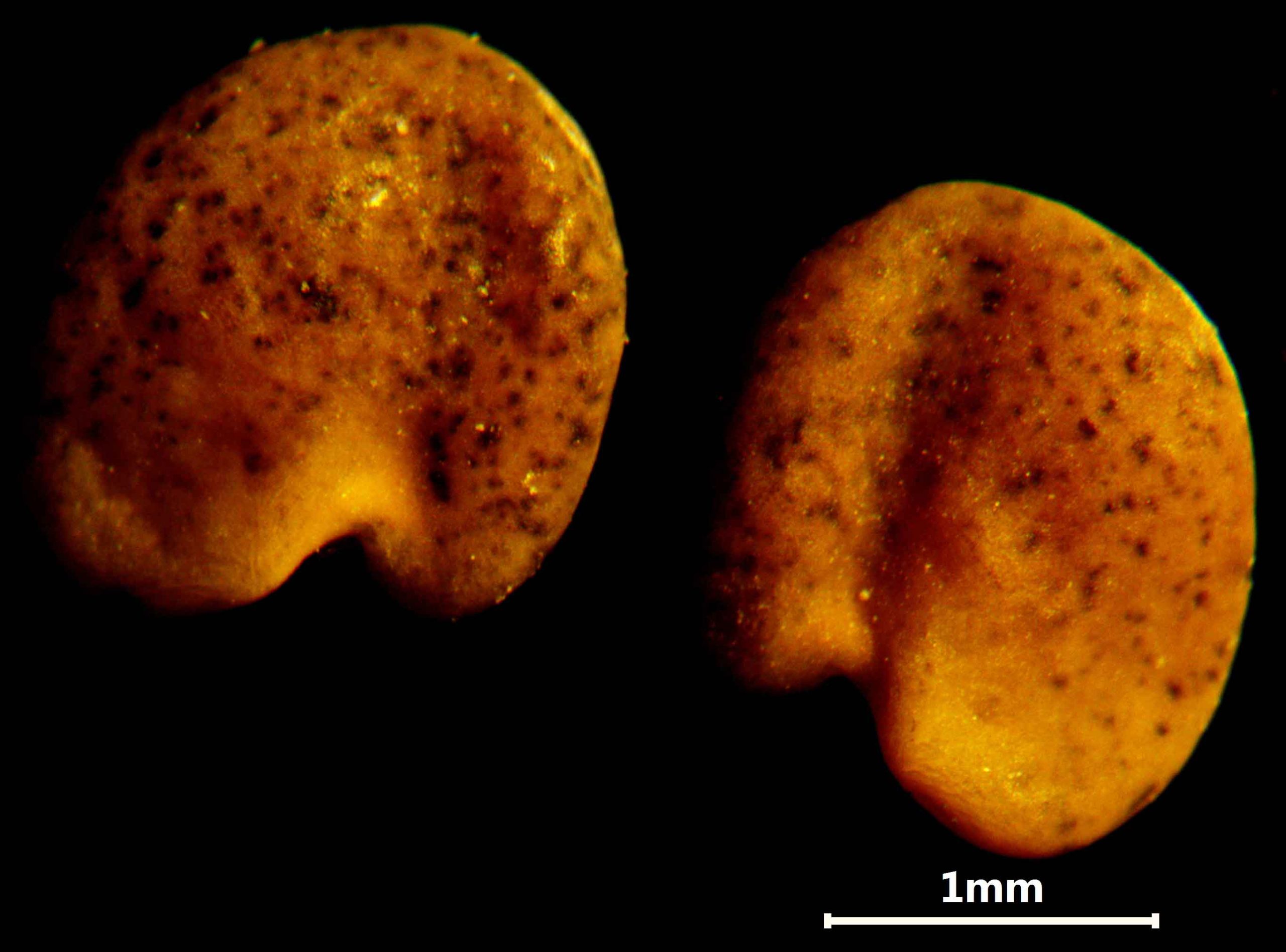
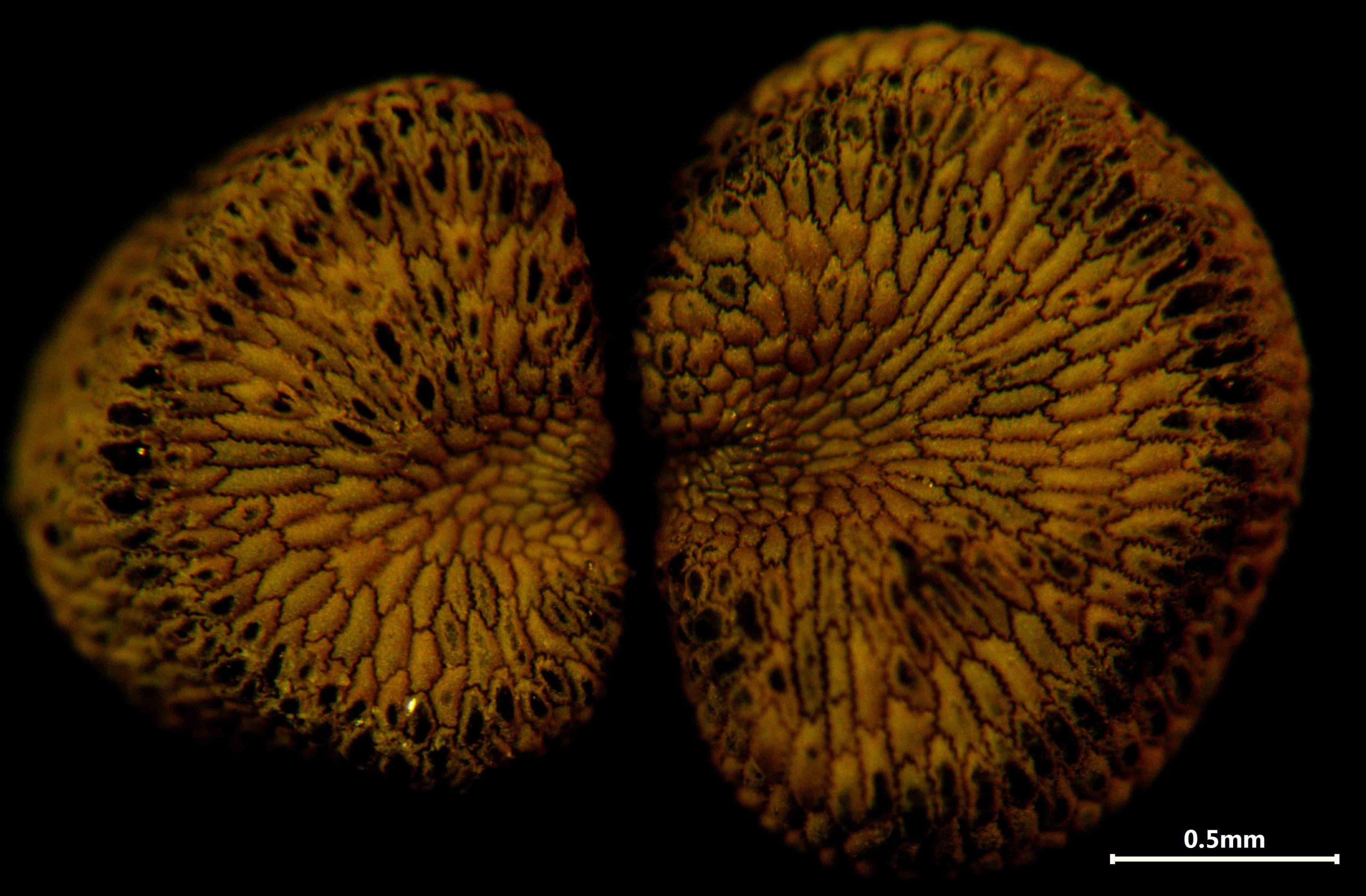
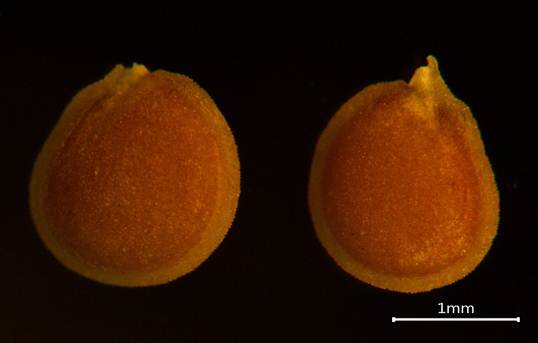
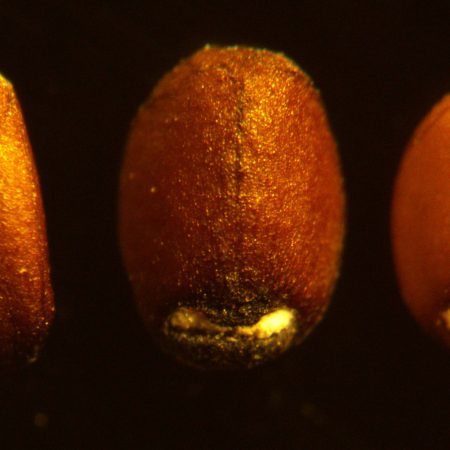
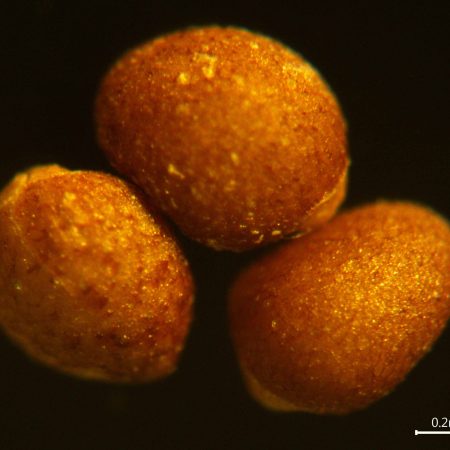
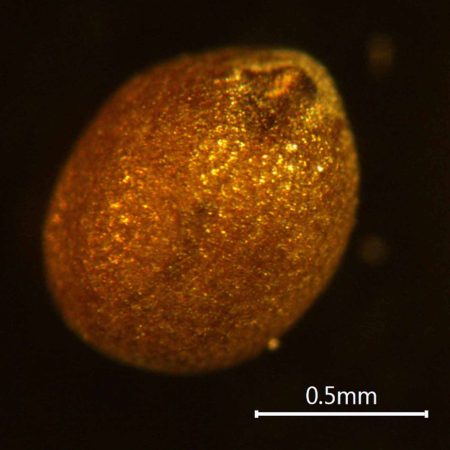
Seed shape: Elliptical-oblong, slight flattish, hilum sunken. Surface wrinkled, glabrous, slight lustrous, color olive-brown, often faint spotted
Seed size: Length 4.7 to 6.32 mm, width 2.26 to 2.86 mm in an accession from Khalkhal, Ardabil, with 1000 seeds weight 16.5g, which was collected and identified in 2016 by Farzaneh Azimi and is stored in the Natural Resources Gene Bank of Iran with an accession number 46579.
Average 1000 seed weight: 16.5 g
Biological features
Life form: Herbaceous, perennial, glabrous. Stem height 45 to 50 cm
Inflorescence, flower type, and pollination mechanism: Inflorescence raceme, many-flowered, flowers hermaphrodite, zygomorphic, papilionaceous, corolla (composed of banner: upper large petal, wings: two petals adjacent to the banner, and keel: two bottom petals) yellow, wings longer than the keel. Plant monoecious, cross-pollinated. Pollination is carried out by insects and wind.
Time of flowering: Spring
Time of seed ripening: Spring
Seed dispersal methods: Seed weight and animals
Geographical distribution: Endemic to Iran. Typus from khalkhal, Azerbaijan
Distribution in Iran: North West. Mostly in provinces and Tehran
Taxonomy
Family: Fabacea
Genus: Astragalus
Species: A. basilicus
Persian name: Gavan
References and Links
Black, M. and Bewley, J.D. 2000. Seed technology and its biological basis. Sheffield Academic Press, 1-419 pp.
Bojnansky, V. and Fargasova, A. 2007. Atlas of seeds and fruits of central and East-European flora: the Carpathian Mountains region. Springer, Dordrecht, The Netherlands, 1046 pp.
Ghahraman, A. Flore of Iran. Research Institute of Forests and Rangelands with University of Tehran Publication. https://floraofiran.net/index.php.
Maassoumi, A.A. 2016. Flora of Iran, Fabaceae (Astragalus III). Institute of Forests and Rangelands Press, Tehran, Iran, Publication No. 145, 23 pp.
Mozaffarian, V.A. 1998. Dictionary of Iranian plants names. Farhange Moaser Publisher, Tehran, 671 pp.
Mozaffarian, V.A. 2012. A Pictorial dictionary of botany. Farhange Moaser Publisher, Tehran, 1088 pp.
Sharma, O.P. 2009. Plant taxonomy 2E. Tata McGraw-Hill Education, New Delhi, 563 pp.