
 Author: navidcod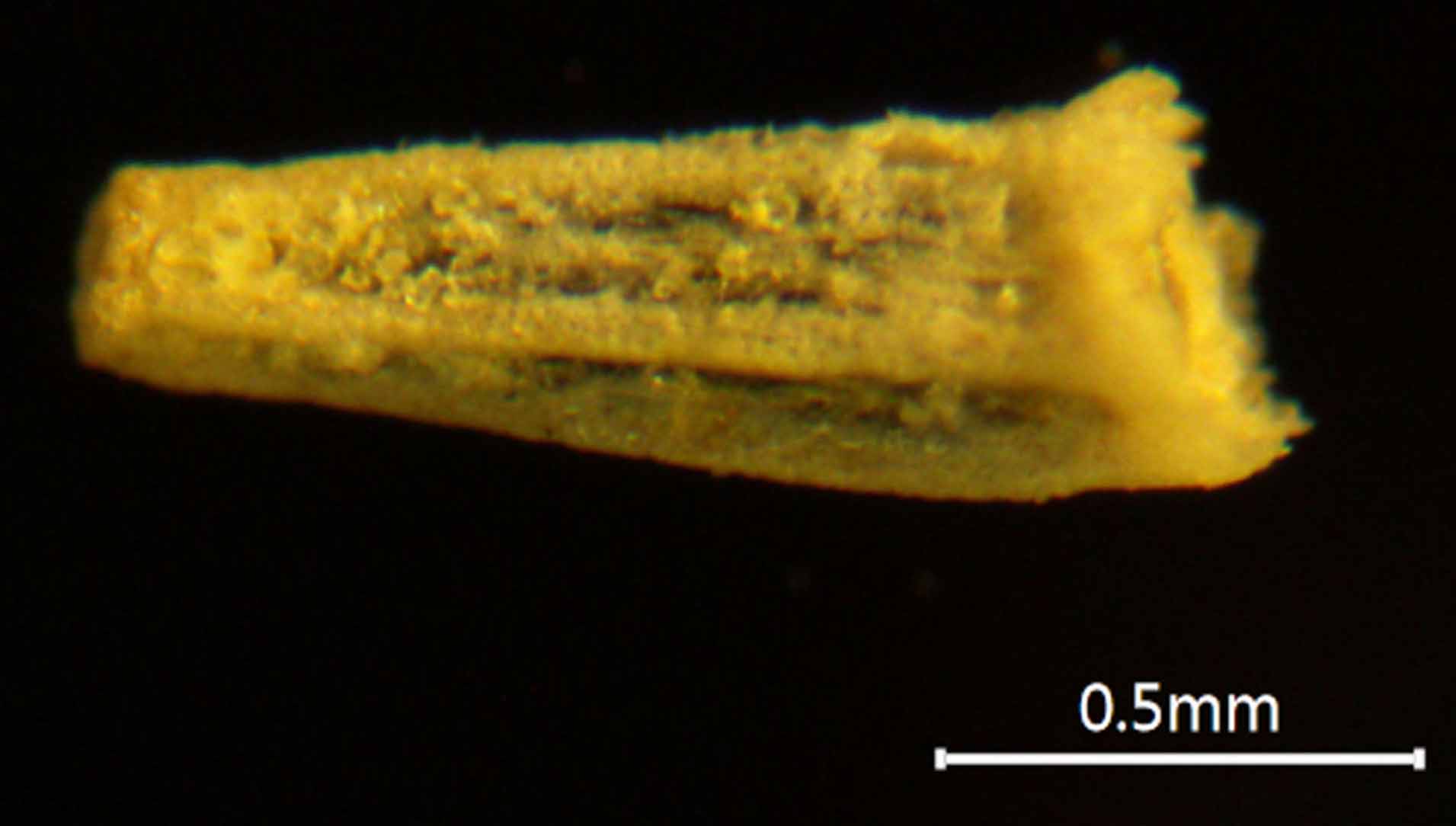
Tanacetum parthenium (Wild.) Schultz Bip
Mohammad Ali Alizadeh, Parvin Salehi Shanjani and Leila Falah Hoseini
Natural Resources Gene Bank, Research Institute of Forests and Rangelands, Agricultural Research, Education and Extension Organization, Tehran, Iran.
Uploaded at August 2021
Scientific editors: Valiollah Mozaffarian and Masoumeh Izadpanah
Seed Storage
Storage behavior of this species is orthodox (desiccation tolerant seeds); dry to 15-20% eRH and store at -20 °C.
Germination requirements
The seeds of this species have non-deep dormancy. Sterilize seeds before placing them on wet germination paper. Place seeds 14 days in 4ºC for breaking dormancy. Then germinate under alternating temperature regime of 15/20 ºC (the higher temperature for 16 hours in light and the lower one for eight hours in dark).
Morphology
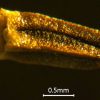
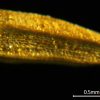
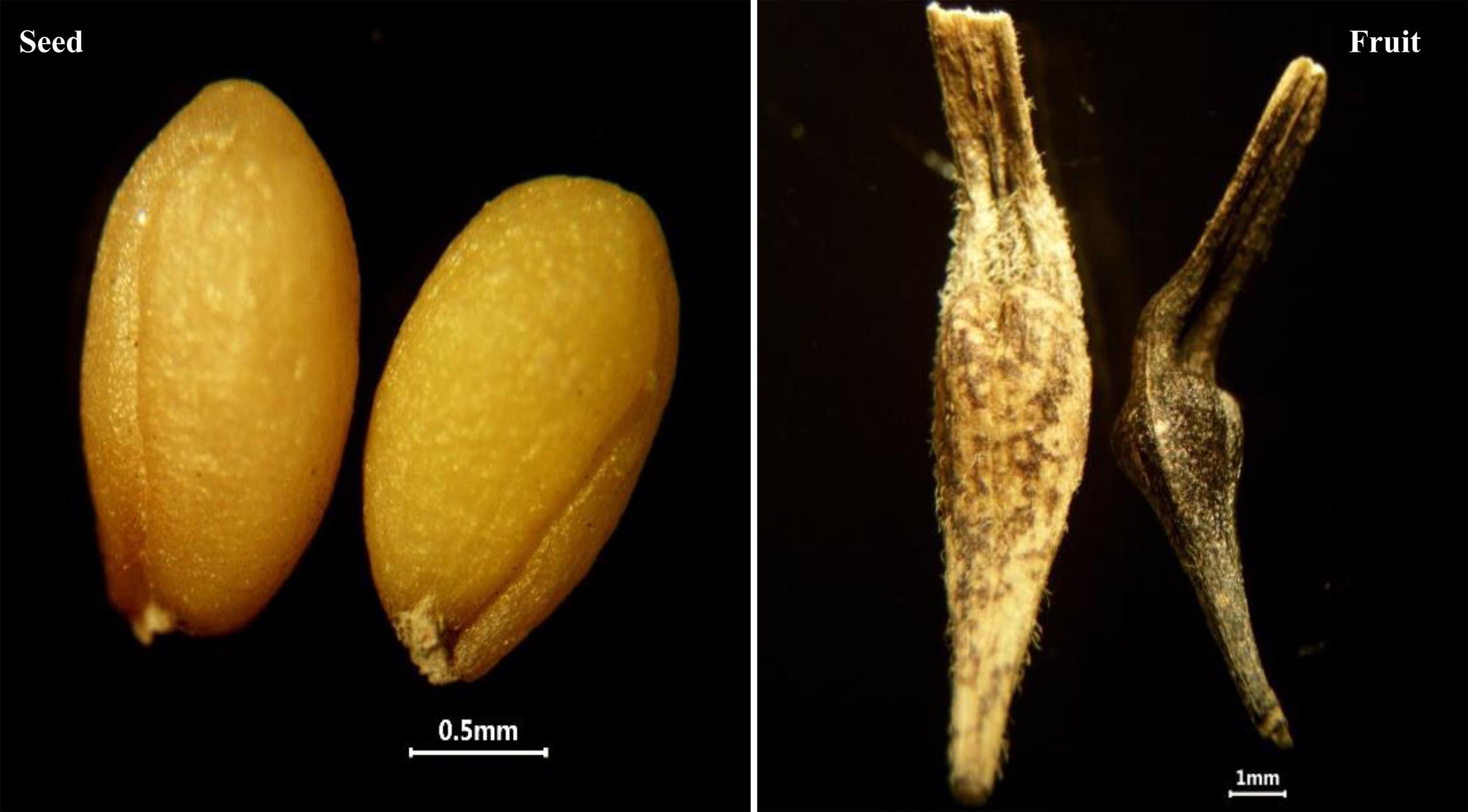
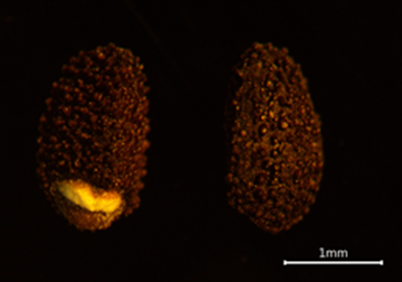
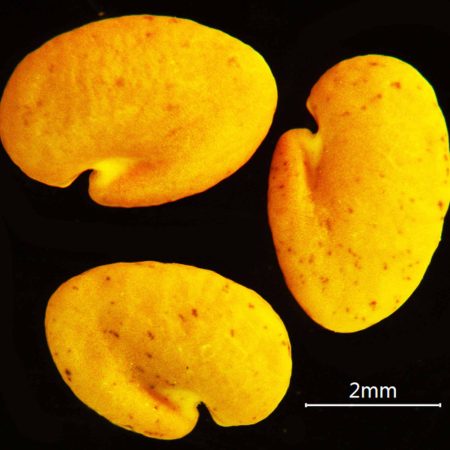
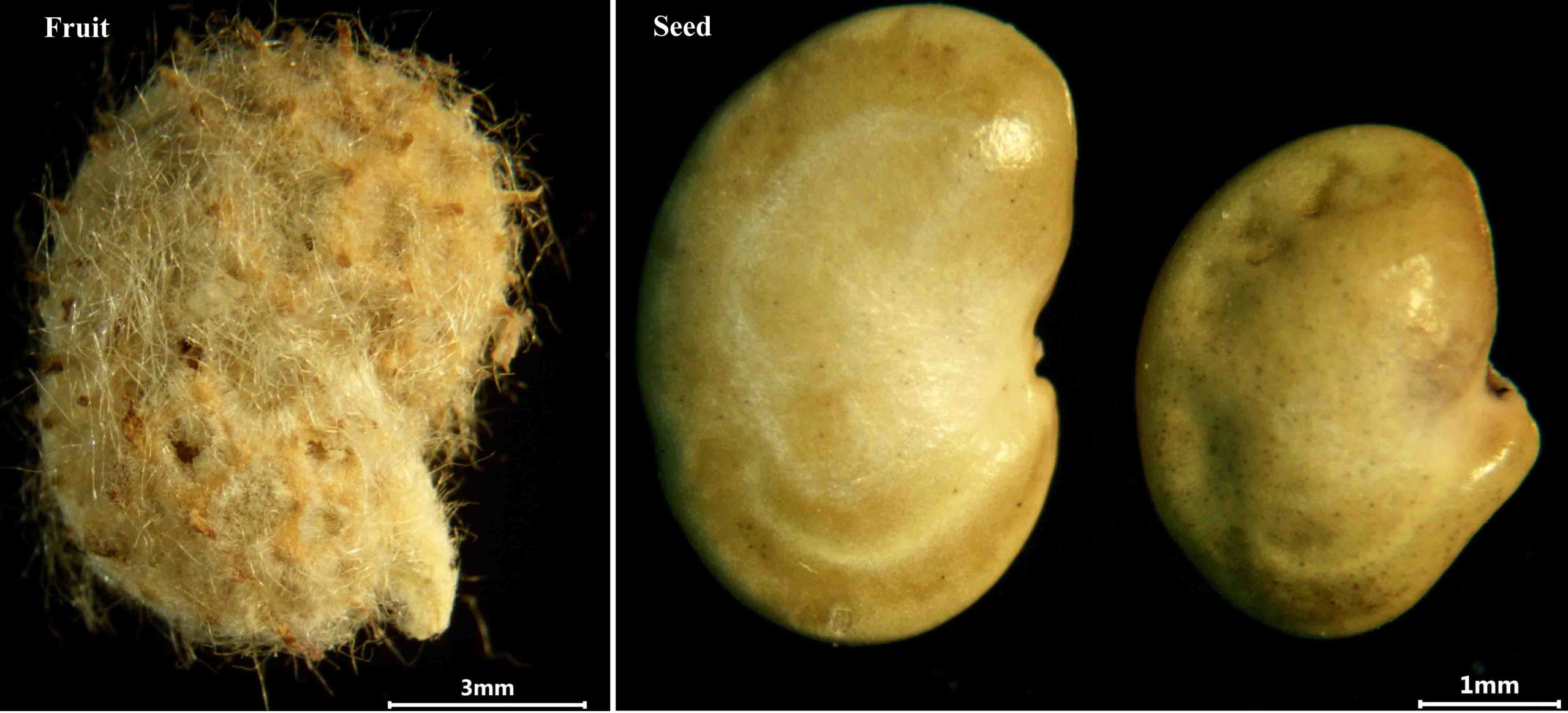
Fruit type: Achene
Fruit shape: Obpyramidal Semicuneiform, apex with short collar and corona, gradually narrowed toward base, truncate, surface longitudinally furrowed, glabrous, glossy in furrows, golden cream.
Fruit size: Length 1 to 2 mm, width 1 mm in an accession from Ramian Golastan with 1000 seed weight 0.4 g, which was collected in 2003 by Seyedian and the cultivated sample was identified by S. Reza Safavi and Vlieollah Mozaffarian with accession number 16393.
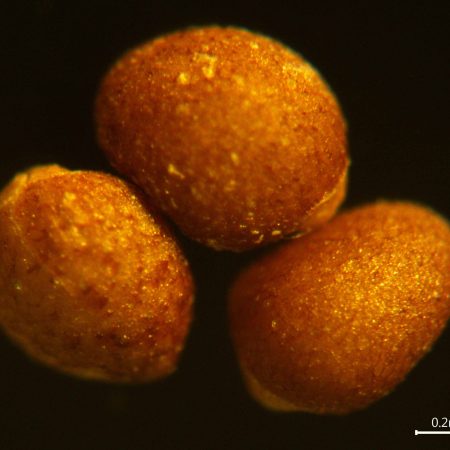
1000 seed weight: 0.3 g
Biological features
Life form: Herbaceous, perennial
Inflorescences, flower type and pollination mechanisms: Capitates arranged in panicule inflorescence, receptacle convex or occasionally flat. Ray flowers (12 to 20) female, ligulate, ligule white, 5 to 8 mm long; disc (tubular) flowers hermaphrodite, yellow, 3 mm long. Plant monoecious, cross pollinate, in failure of cross pollination, self-pollination may take place. Pollination is carried out by insects and wind.
Time of flowering: Early spring till summer
Time of seed ripening: Summer to autumn
Seed dispersal methods: The agent of seed distribution is seed weight.
Geographical distribution: Almost distributed around the world. Typus from Europe.
Geographical distribution in Iran: North, West North, West, center and East North. Golestan, Azerbaijan, Gilan, Esfahan, Chaharmahal and Bakhtiari, Kohgiluyeh and Boyer-Ahmad, Fars, Khorasan and Tehran provenances.
Taxonomy
Family: Compositae
Genus: Tanacetum
Species: parthenium
Persian name: Babuneh gavi
References
Black, M. and Bewley, J.D. 2000. Seed technology and its biological basis. Sheffield Academic Press, Pp 1-419.
Bojňanský, V. and Fargašová, A. 2007. Atlas of seeds and fruits of central and East-European flora: the Carpathian Mountains region. Springer, Dordrecht, the Netherlands, 1046 pp.
Ghahraman, A. Flore of Iran. Research Institute of Forests and Rangelands with university of Tehran puplication. https://floraofiran.net/index.php.
Mozaffarian, V. 2012. A Pictorial Dictionary of Botany. Farhange Moaser publisher, 1088 pp.
Mozaffarian, V. 2008. Flora of Iran, Asteraceae (Compositae): Tribes Anthemideae and Echinopeae. Institute of Forests and Rangelands Press, First edition, 59: 21-22.
Mozaffarian, V.A. 1998. Dictionary of Iranian Plants Names. Moaser Publisher, Tehran Farhang, 671 pp.
Sharma, O.P. 2009. Plant taxonomy 2E. Tata McGraw-Hill Education, New Delhi, 563 pp.