
 Author: آمنه غلامی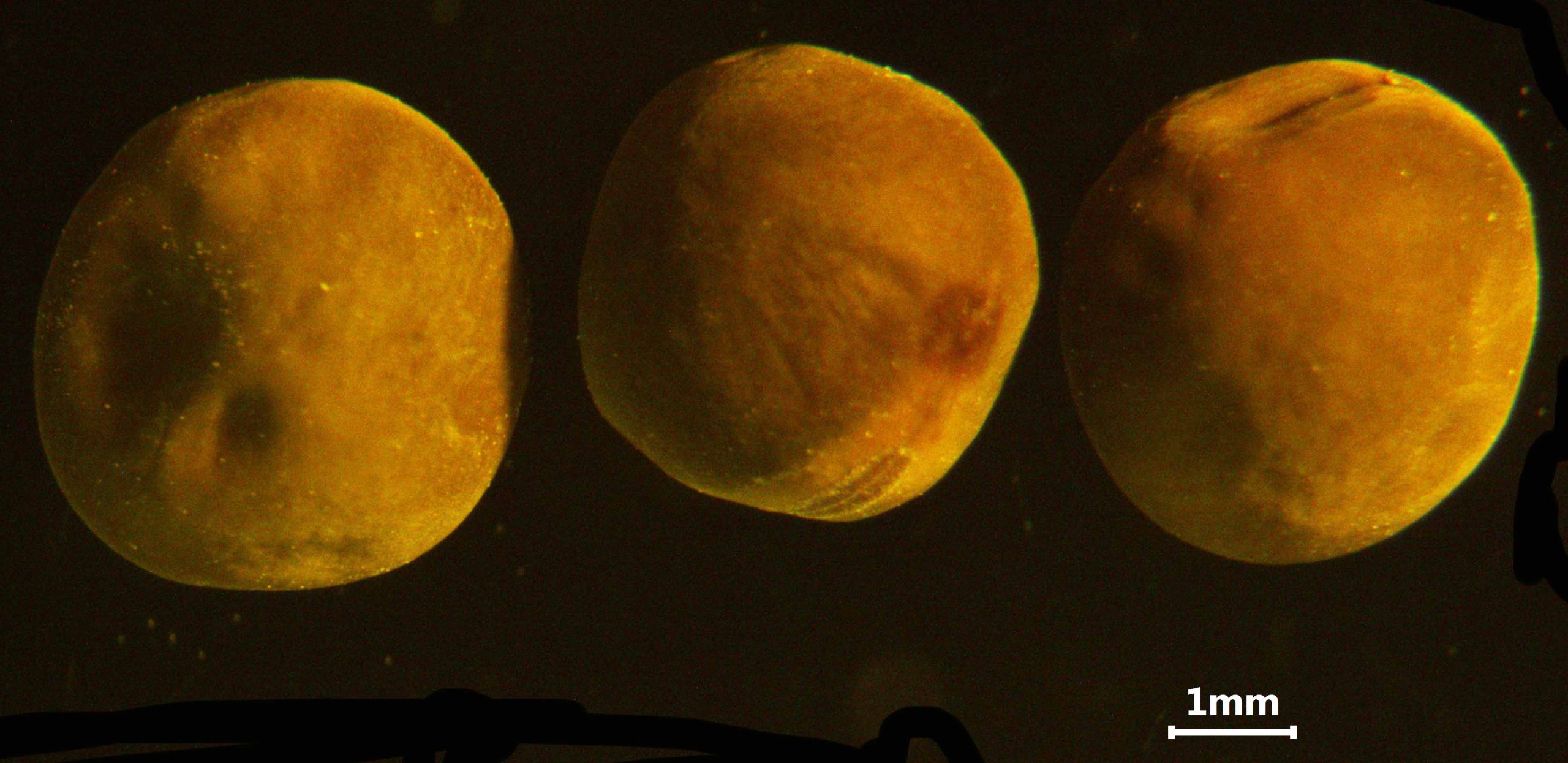
Vicia villosa Roth
Hamideh Javadi, Leila Falah Hoseini, Masoumeh Ramezani Yeganeh and Nastaran Jalilian
Natural Resources Gene Bank, Research Institute of Forests and Rangelands, Agricultural Research, Education and Extension Organization, Tehran, Iran.
Uploaded at September 2022
Scientific editor: Masoumeh Izadpanah and Parvin Salehi Shanjani
Seed Storage
The storage behavior of this species is orthodox (desiccation-tolerant seeds), dry to 15-20% eRH, and store at -20°C.
Germination requirements
The seeds of this species are not dormant. Sterilize seeds before placing them on wet germination paper. Place seeds for two weeks at 4 ºC to germinate uniformly. Then germinate under an alternating temperature regime of 15/20 ºC (the higher temperature for 16 hours in light and the lower one for eight hours in dark).
Morphology
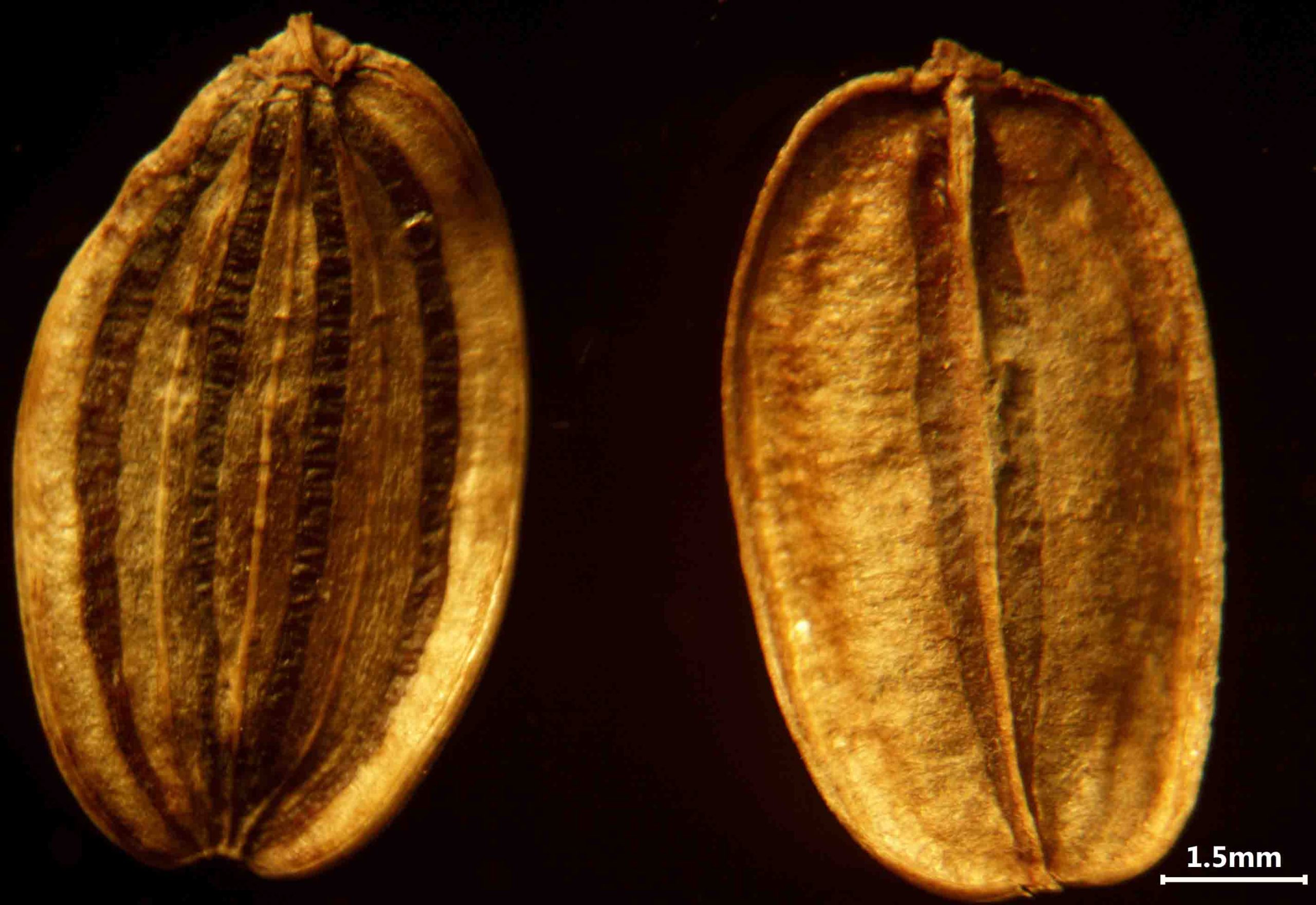
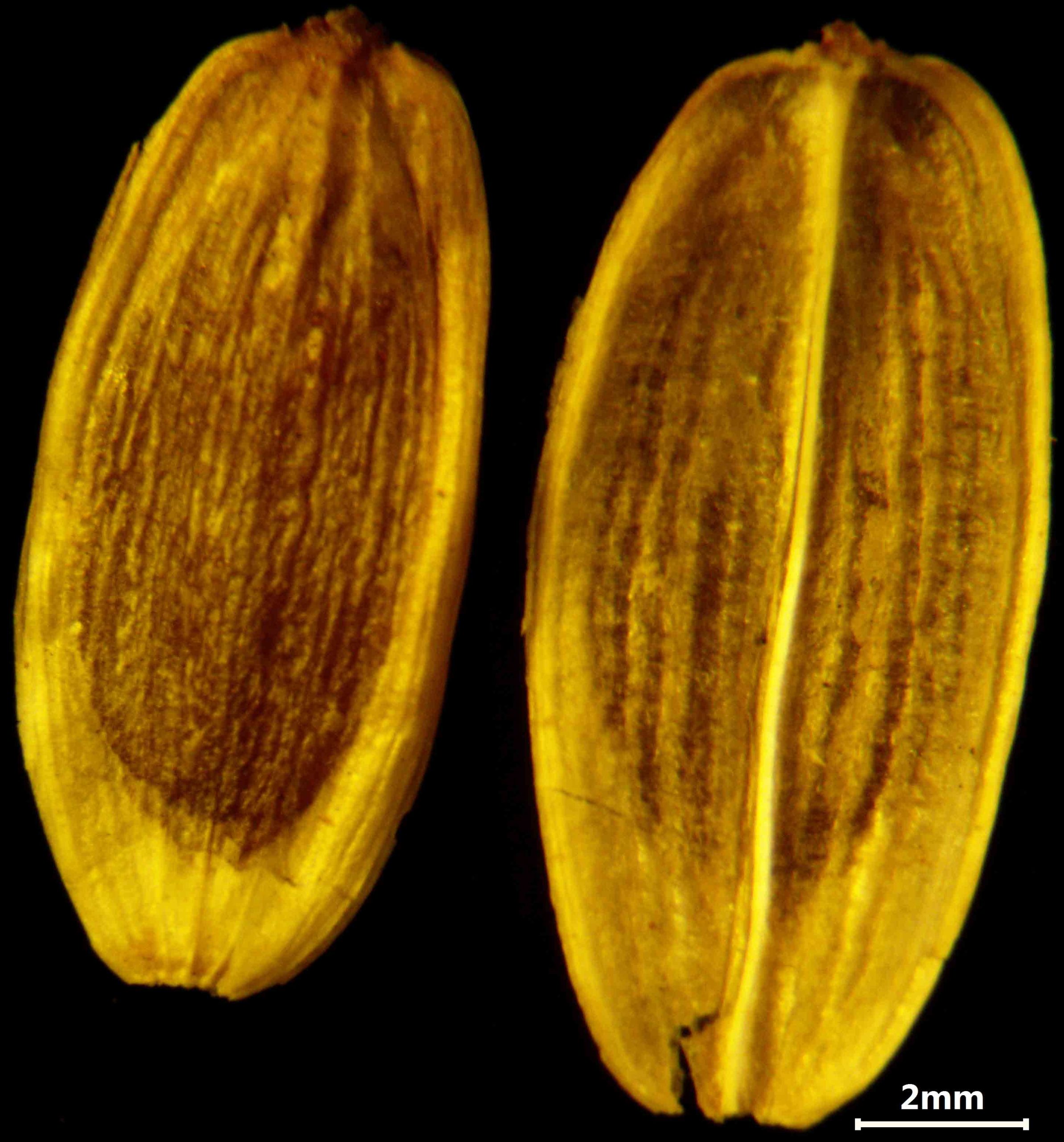
Fruit type: Pod
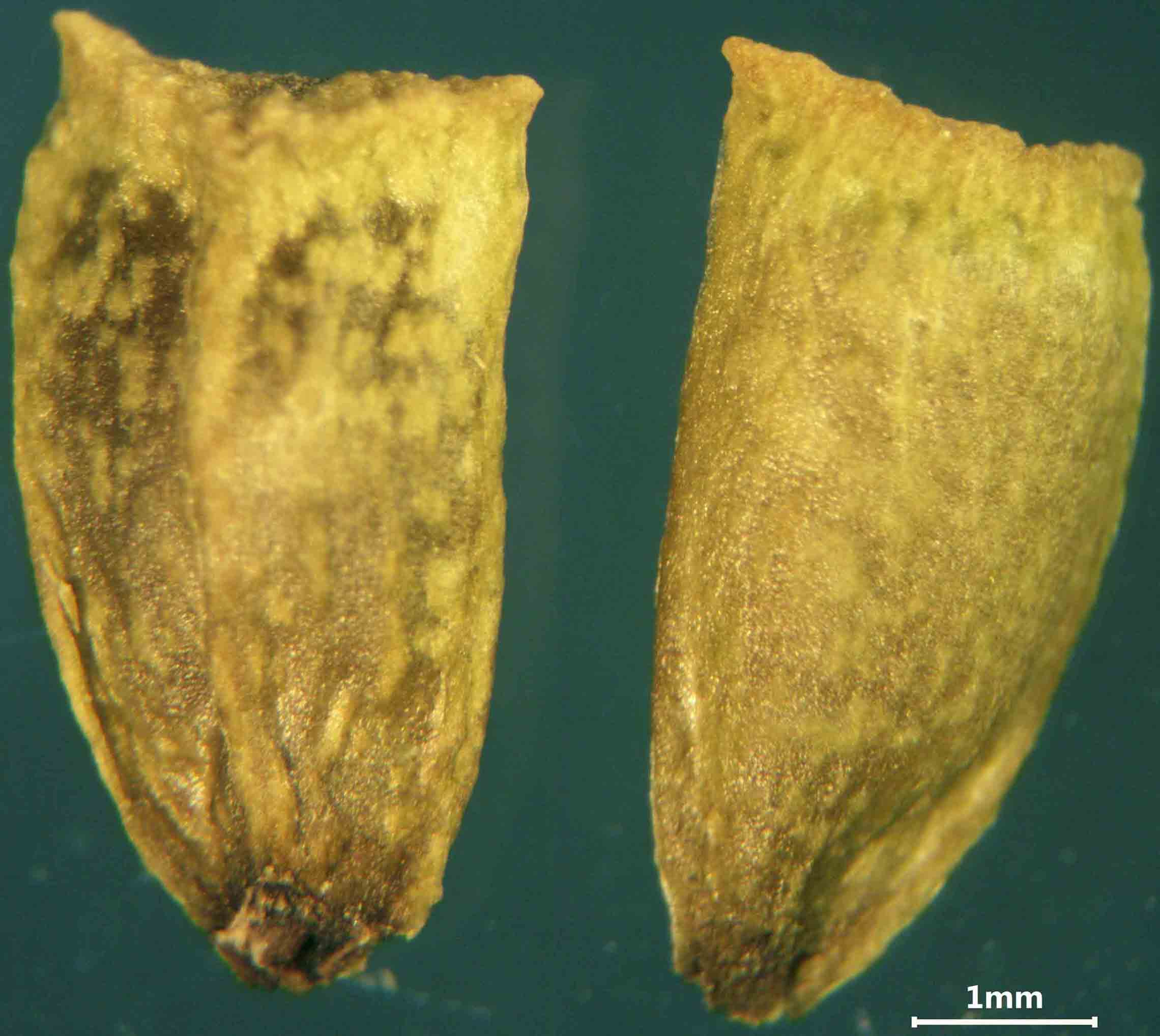
Fruit shape: Rectangular at the base, narrow and stalk-like at the tip, smooth and glabrous, 2-4 seeded, yellow to brown
Fruit size: Length 20 to 32 mm; width 7 to 10 mm.
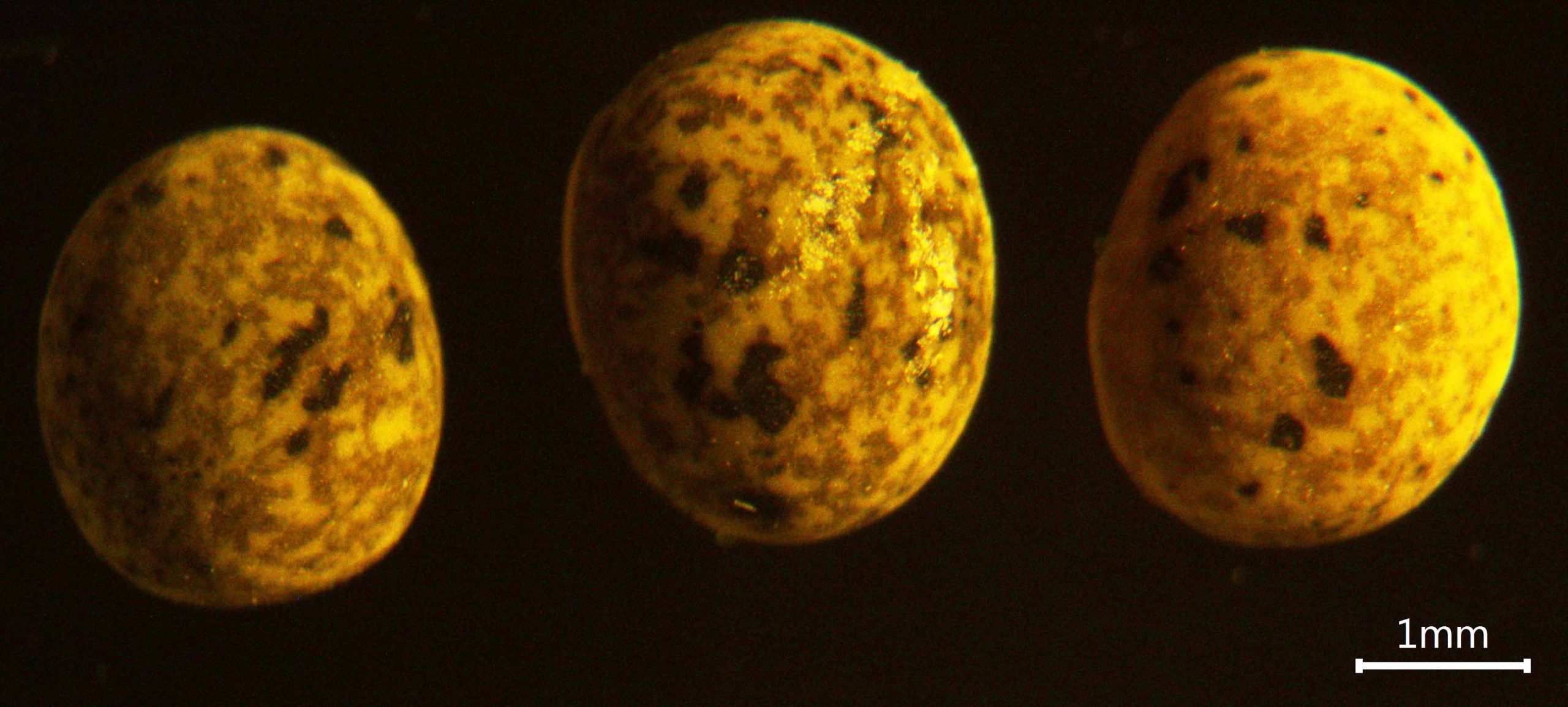
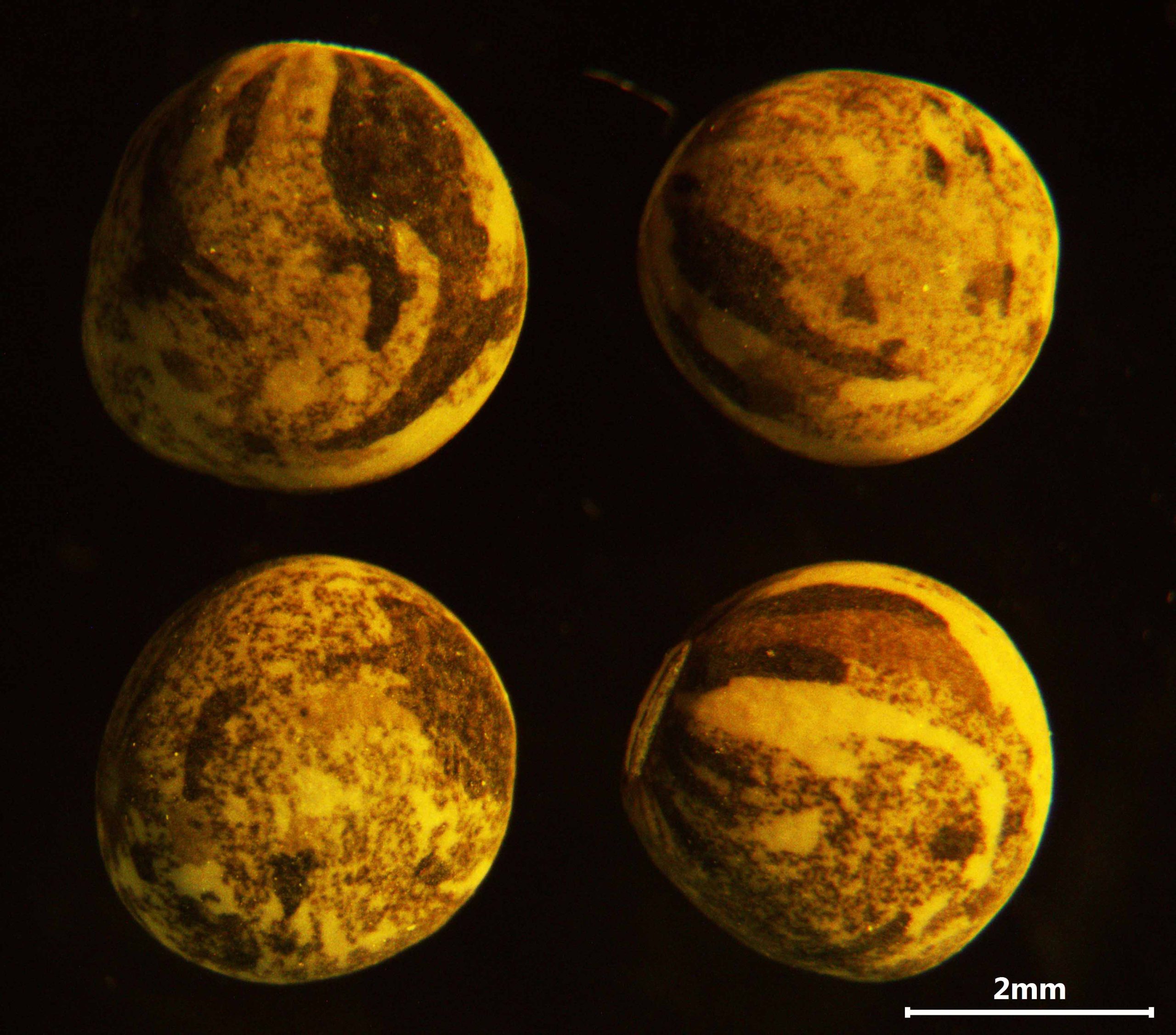
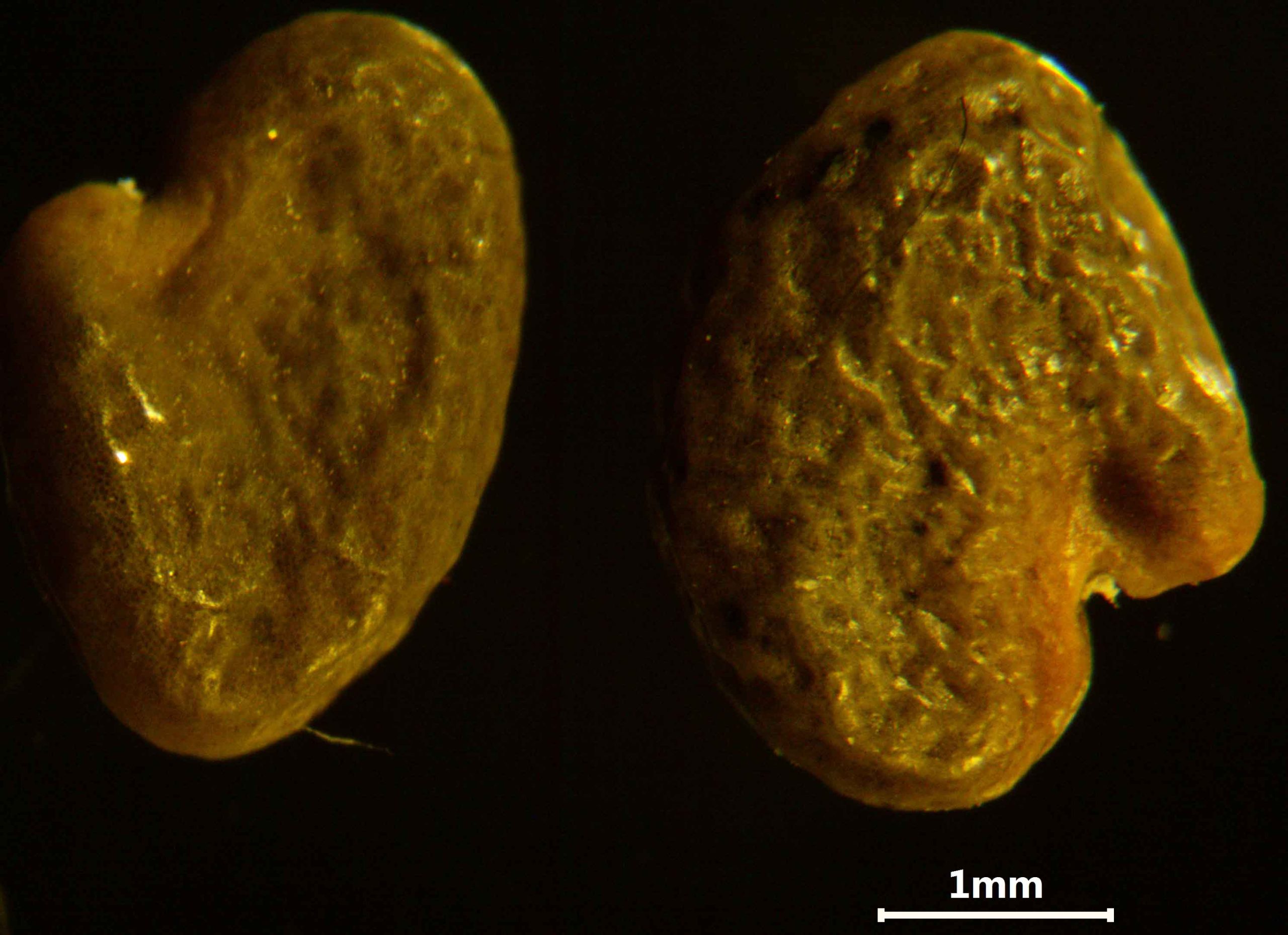
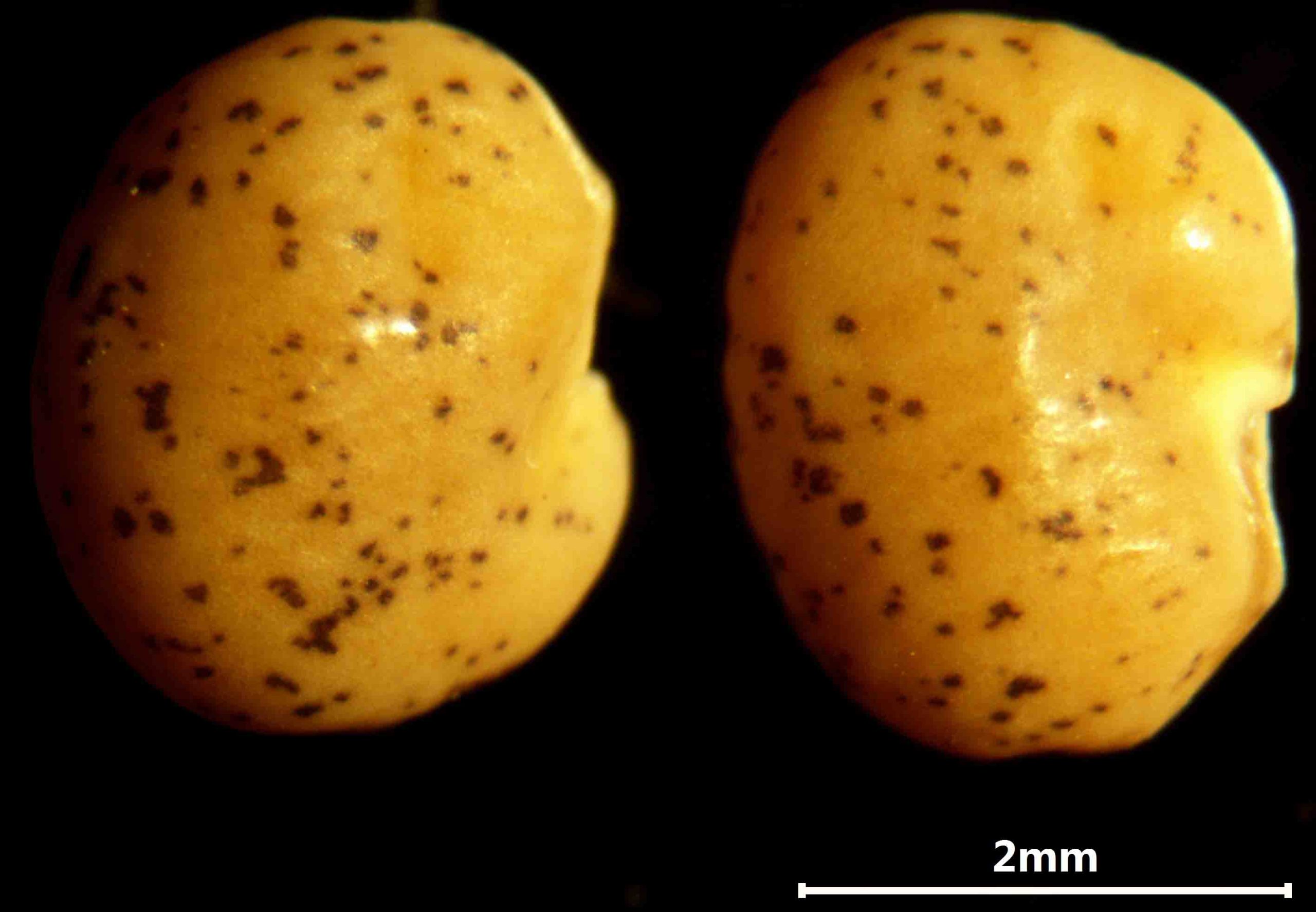
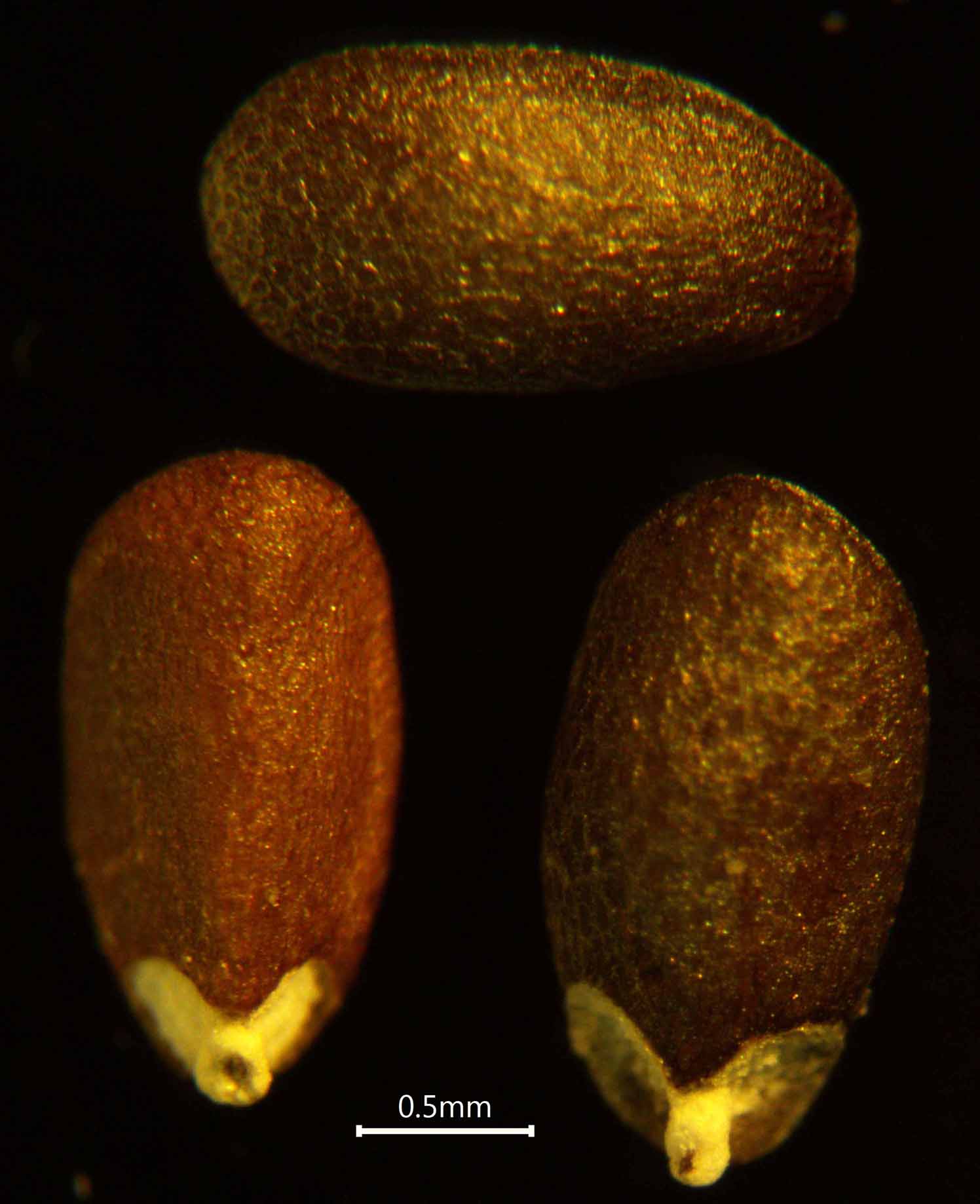
Seed shape: Ellipsoid to spheric, with a smooth or wrinkled and doted surface, hilum elongated with less than 1 mm long, brown
Seed size: Length 4.33 to 4.52 mm, width 4.04 to 4.15 mm in an accession
with 1000 seeds weight 35.4 g, which was collected by Farah pour from Ardabil in 2007 and the cultivated sample was identified by Nastaran Jalilian with an accession number 28061
Average 1000 seed weight: 33 to 44 g
Biological features
Life Form: Annual, erect or prostrate, 30-65 cm high
Inflorescence, flower type and pollination mechanism: Inflorescence raceme, with 15-20 flowers. Flowers 12-19 mm long, purple to blue. Calyx campanulate and gibbous, covered with long and scattered hairs. Flowers hermaphrodite and self-pollinating. Pollination is carried out by insects (entomophily).
Time of flowering: June to Juley
Time of seed ripening: June to Juley
Seed dispersal methods: Wind and domestic animals
Geographical distribution: Europe, Turkey, Iran, Caucasus, Afghanistan, Iraq, Syria and Lebanon. Typus from Germany
Distribution in Iran: North, North-West, West, South, East, and Center. Mostly in Mazandaran, Lurestan, Isfahan, Kohkoloyeh ve Boyerahmad, Khorasan, and Tehran provinces
Taxonomy
Family: Papilionaceae
Genus: Vicia
Species: V. villosa
Common name: Winter vetch
Persian name: Mashak-e-Zemestani
References and Links
Chrtková-Žertová, A., Maesen, L.J.G. Van. Der. and Rechinger, K.H. 1979. Papilonaceae I – Vicieae. In: Rechinger, K.H. (ed.), Flora Iranica, 140. Graz.
Javadi, H. 2021. Seed: Processing and Quality tests. Agricultural Education & Extension Publishers, 175 pp.
Mozaffarian, V. 2006. A Dictionary of Iranian plant names. Latin-English-Persian. Farhang Moaser Publishers, 671 pp.
Mozaffarian, V. 2010. A pictorial dictionary of Botany (Botanical Taxonomy). Latin-English-French-German-Persian. Farhang Moaser Publishers, 1064 pp.
Pakravan, M., Jalilian, N. and Nemati, M. 2000. Flora of Iran. Research Institute of Forests and Rangelands Publication. No.33: Papilionaceae (Vicieae).p.53.
Vít Bojnanský, Agáta Fargašová, 2007. Atlas of Seeds and Fruits of Central and East-European flora. Published by Springer, P.O. Box 17, 3300 AA Dordrecht, The Netherlands.324 p.